
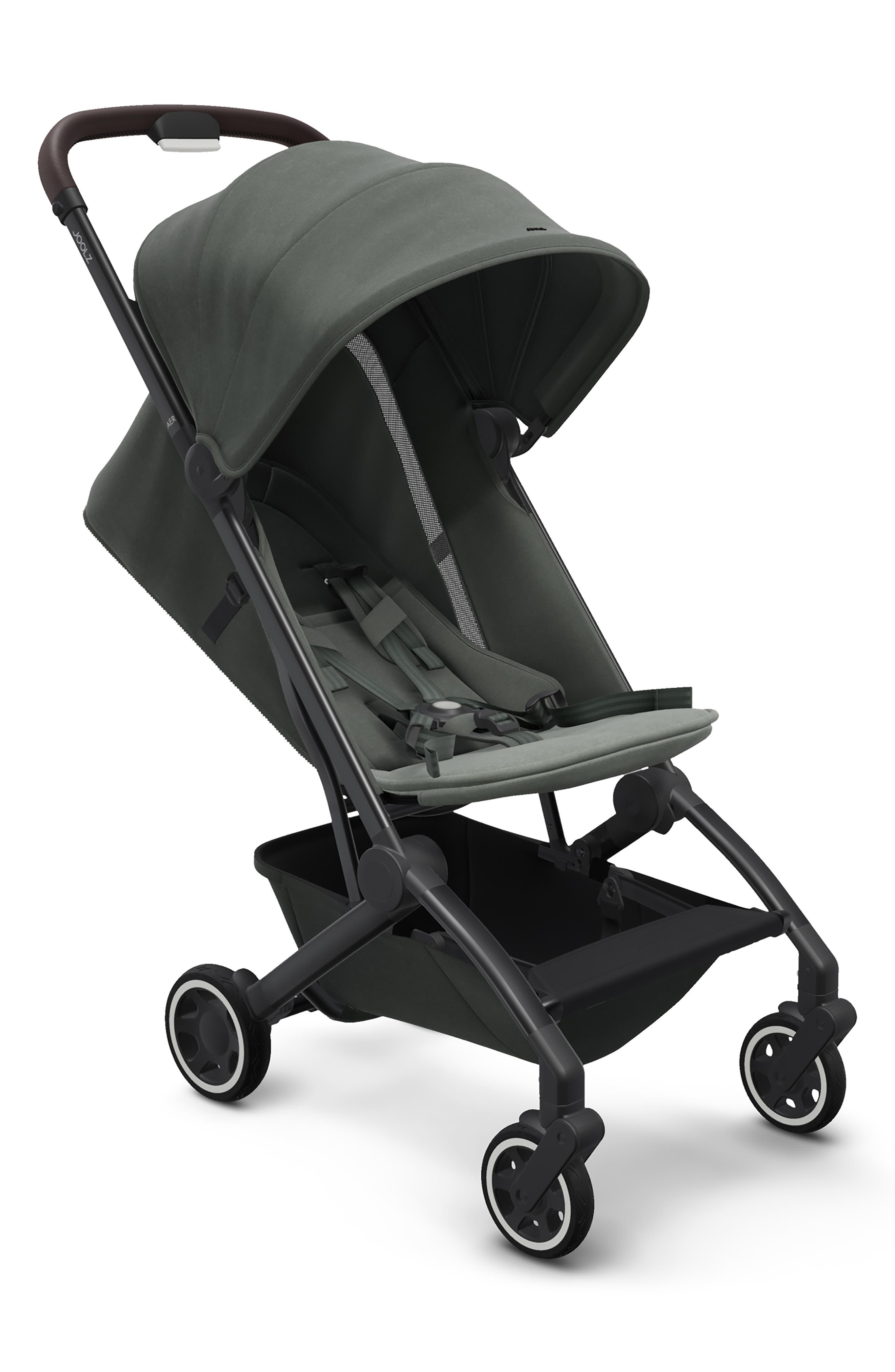


Joolz Aer Stroller in Mighty Green at Nordstrom
Summary
The Joolz Aer Stroller in Mighty Green is made from recycled polyethylene terephthalate (rPET), a sustainable material that reduces waste and supports eco-friendly practices. The use of recycled content aligns with environmental sustainability goals, and the product does not contain harmful chemicals or synthetic additives, making it a safe and environmentally responsible choice.
At a glance
Key ingredients 4
AluminiumNeutral
Aluminium is commonly used in strollers for its lightweight and durable properties. It provides structural integrity while keeping the product easy to maneuver. However, it is not considered beneficial or harmful in the context of home essentials.
Risks
There are no significant risks associated with aluminium in this context.
Benefits
Aluminium contributes to the lightweight and durability of the stroller.
SyntheticNeutral
The term 'synthetic' is broad and can refer to various man-made materials. Without specific details, it is difficult to assess its impact. Generally, synthetic materials can offer durability and cost-effectiveness.
Risks
Potential risks include environmental impact if not recyclable or biodegradable.
Benefits
Synthetic materials can enhance durability and reduce costs.
Recycled Polyethylene Terephthalate (rPET)Very Good
Recycled Polyethylene Terephthalate (rPET) is a sustainable material made from recycled plastic bottles. It helps reduce waste and the demand for virgin plastic production. This aligns with eco-friendly practices and sustainability goals.
Risks
There are minimal risks associated with rPET, primarily related to the recycling process.
Benefits
rPET reduces plastic waste and supports recycling initiatives.
FabricsNeutral
Fabrics in strollers are used for comfort and aesthetics. The impact depends on the type of fabric used, which is not specified here. Fabrics can range from natural to synthetic, affecting their environmental and health impact.
Risks
Potential risks include the use of synthetic dyes or treatments.
Benefits
Fabrics provide comfort and aesthetic appeal.
Processing
Unprocessed or Minimally Processed Foods
Get the full breakdown in the Scout app
Scan any product to see lab results, healthy alternatives, and your personalized analysis.
Download on theApp Store