
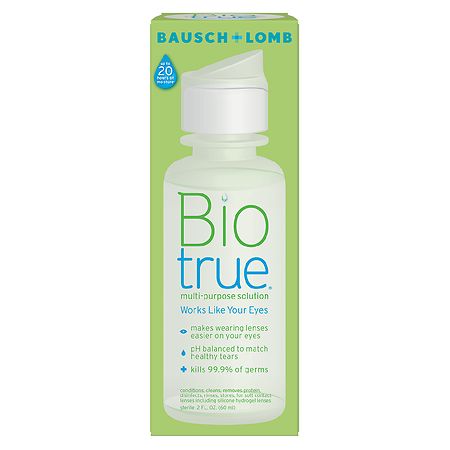

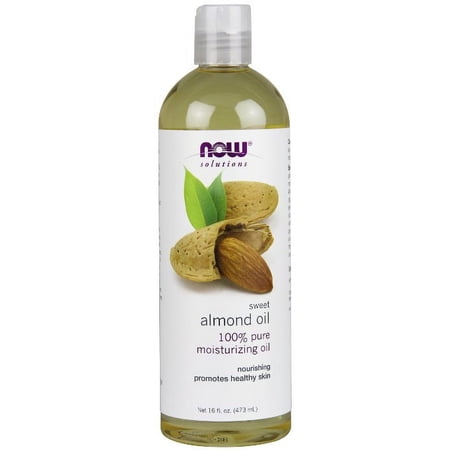
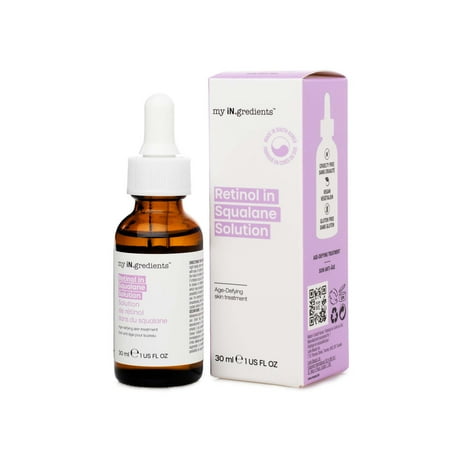
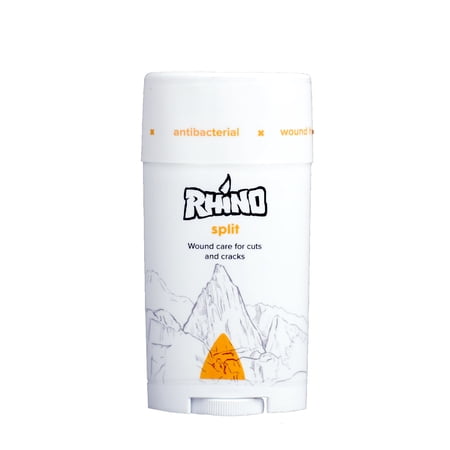
Soft Contact Lens Disinfecting Solution, 2 FL OZ
Summary
This contact lens disinfecting solution is not intended for oral use, so it does not fall under the typical oral care scoring criteria. However, it is important to consider the safety of its ingredients for eye contact. The product likely contains preservatives and disinfectants necessary for its function, which may not be suitable for ingestion but are essential for maintaining lens hygiene. The score reflects the balance between necessary chemical use for disinfection and potential irritants for sensitive users.
At a glance
Key ingredients 9
HyaluronanNeutral
Hyaluronan is a naturally occurring substance in the body, often used for its moisturizing properties. It is not typically used in oral care products, so its relevance here is unclear. It does not have known harmful effects in the context of oral care.
Risks
There are no known risks associated with hyaluronan in oral care.
Benefits
Hyaluronan can provide moisturizing benefits, although this is not typically relevant for oral care.
SulfobetaineNeutral
Sulfobetaine is a zwitterionic surfactant often used in personal care products for its mildness. It is not commonly found in oral care products, so its specific effects in this context are not well-documented. It does not have known harmful effects in oral care.
Risks
There are no known risks associated with sulfobetaine in oral care.
Benefits
Sulfobetaine is known for its mild surfactant properties, which could be beneficial in reducing irritation.
PoloxamineNeutral
Poloxamine is a surfactant and emulsifier used in various personal care products. Its use in oral care is not typical, and its effects in this context are not well-studied. It does not have known harmful effects in oral care.
Risks
There are no known risks associated with poloxamine in oral care.
Benefits
Poloxamine can help in stabilizing formulations, although this is not directly beneficial for oral health.
Boric AcidNeutral
Boric acid is often used as an antiseptic and preservative. In oral care, its use is limited due to potential toxicity if ingested in large amounts. It is not typically used in oral care products.
Risks
Boric acid can be toxic if ingested in large quantities, posing a risk if used in oral care.
Benefits
Boric acid has antiseptic properties, which could theoretically help in reducing oral bacteria.
Sodium BorateNeutral
Sodium borate, also known as borax, is used as a buffering agent and preservative. It is not commonly used in oral care products due to potential toxicity concerns. Its effects in oral care are not well-documented.
Risks
Sodium borate can be toxic if ingested in significant amounts, posing a risk in oral care.
Benefits
Sodium borate can act as a preservative, although this is not directly beneficial for oral health.
Edetate DisodiumNeutral
Edetate disodium is a chelating agent used to bind metal ions. It is not typically used in oral care products, and its effects in this context are not well-studied. It does not have known harmful effects in oral care.
Risks
There are no known risks associated with edetate disodium in oral care.
Benefits
Edetate disodium can help in stabilizing formulations by binding metal ions.
Sodium ChlorideNeutral
Sodium chloride, or table salt, is commonly used in oral care for its mild abrasive and cleansing properties. It is generally considered safe in small amounts. It does not have known harmful effects in oral care.
Risks
Excessive use of sodium chloride can lead to irritation or dryness in the mouth.
Benefits
Sodium chloride can help in cleaning teeth and maintaining oral hygiene.
Polyaminopropyl BiguanideNeutral
Polyaminopropyl biguanide is an antimicrobial agent used in various personal care products. Its use in oral care is not typical, and its effects in this context are not well-documented. It does not have known harmful effects in oral care.
Risks
There are no known risks associated with polyaminopropyl biguanide in oral care.
Benefits
Polyaminopropyl biguanide has antimicrobial properties, which could help in reducing oral bacteria.
PolyquaterniumNeutral
Polyquaternium is a conditioning agent used in personal care products. It is not typically used in oral care, and its effects in this context are not well-studied. It does not have known harmful effects in oral care.
Risks
There are no known risks associated with polyquaternium in oral care.
Benefits
Polyquaternium can provide conditioning benefits, although this is not directly relevant for oral health.
Processing
Processed Foods
Get the full breakdown in the Scout app
Scan any product to see lab results, healthy alternatives, and your personalized analysis.
Download on theApp Store