
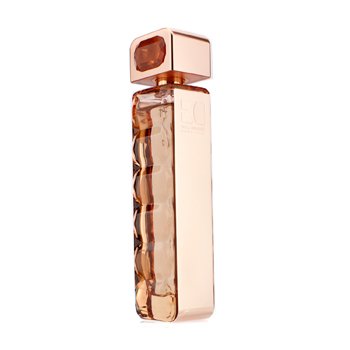

Hugo Boss Eau de Toilette Spray, Red, 1.3 Ounce
Summary
This product contains synthetic fragrance, which can be a skin irritant and is often associated with potential endocrine disruption. The presence of synthetic chemicals and potential allergens in the formulation reduces its safety profile. While it may have some beneficial ingredients, the overall ingredient safety is compromised by these factors.
At a glance
Key ingredients 9
metallic accord
Metallic accord is a synthetic fragrance component used to impart a metallic scent. It is often used in perfumes to create a unique olfactory experience. The exact composition can vary, making it difficult to assess specific impacts.
Risks
Potential risks include skin irritation or allergic reactions due to its synthetic nature.
Benefits
Provides a distinctive and appealing scent profile to the fragrance.
grapefruit
Grapefruit is a natural ingredient often used for its fresh and citrusy scent. It is derived from the peel of the grapefruit fruit. In cosmetics, it is valued for its refreshing aroma.
Risks
May cause photosensitivity, leading to skin irritation when exposed to sunlight.
Benefits
Offers a refreshing and invigorating scent that can enhance mood.
pink pepper
Pink pepper is used in fragrances for its spicy and aromatic qualities. It is derived from the berries of the Peruvian pepper tree. It adds a warm and spicy note to perfumes.
Risks
Can cause skin irritation or allergic reactions in sensitive individuals.
Benefits
Contributes a unique spicy aroma that enhances the complexity of the fragrance.
galbanum
Galbanum is a natural resin used in perfumery for its green and earthy scent. It is extracted from the plant Ferula gummosa. It provides a fresh and woody aroma to fragrances.
Risks
May cause skin irritation or allergic reactions in some individuals.
Benefits
Adds depth and a natural green note to the fragrance composition.
pineapple
Pineapple is used in fragrances for its sweet and tropical scent. It is derived from the fruit of the pineapple plant. It adds a fruity and exotic note to perfumes.
Risks
Generally considered safe, but may cause irritation in sensitive skin types.
Benefits
Provides a sweet and uplifting aroma that enhances the fragrance's appeal.
rhubarb
Rhubarb is used in perfumery for its tart and green scent. It is derived from the stalks of the rhubarb plant. It adds a sharp and fresh note to fragrances.
Risks
Can cause skin irritation or allergic reactions in sensitive individuals.
Benefits
Contributes a unique tartness that enhances the fragrance's complexity.
cedar
Cedar is a natural ingredient used for its woody and warm scent. It is derived from the wood of cedar trees. It provides a grounding and earthy aroma to perfumes.
Risks
May cause skin irritation or allergic reactions in some individuals.
Benefits
Offers a warm and comforting scent that adds depth to the fragrance.
tonka bean
Tonka bean is used in fragrances for its sweet and vanilla-like scent. It is derived from the seeds of the Dipteryx odorata tree. It adds a creamy and warm note to perfumes.
Risks
Contains coumarin, which can be a skin sensitizer in high concentrations.
Benefits
Provides a rich and sweet aroma that enhances the fragrance's warmth.
amber
Amber is a common fragrance ingredient known for its warm and resinous scent. It is often a blend of natural and synthetic components. It adds a rich and deep note to perfumes.
Risks
Synthetic versions may cause skin irritation or allergic reactions.
Benefits
Contributes a luxurious and long-lasting aroma to the fragrance.
Processing
Ultra-Processed Foods
Get the full breakdown in the Scout app
Scan any product to see lab results, healthy alternatives, and your personalized analysis.
Download on theApp Store