
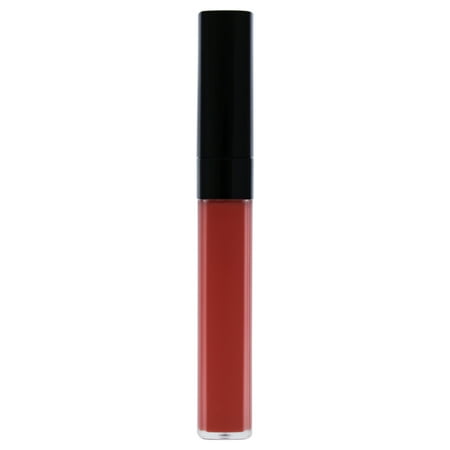
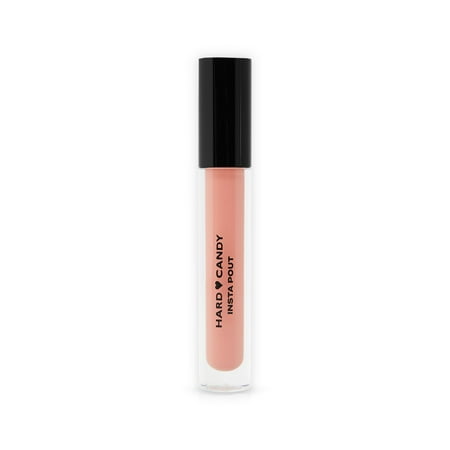
Chanel Rouge Coco Lip Blush - 410 Corail Naturel Women 0.19 oz Lip Gloss
Summary
This lip gloss contains a mix of synthetic and natural ingredients, which places it in the mid-range for ingredient safety. While it may include some beneficial components, the presence of synthetic chemicals and potential allergens lowers its overall rating. The product is processed, which further impacts its score, as it does not meet the criteria for a clean, minimally processed formulation.
At a glance
Key ingredients 11
HYDROGENATED POLYISOBUTENE
Hydrogenated polyisobutene is a synthetic polymer used as a skin conditioning agent. It provides a smooth application and enhances the texture of cosmetic products. It is generally considered safe for use in cosmetics.
Risks
There are minimal risks associated with this ingredient, primarily related to potential skin irritation in sensitive individuals.
Benefits
It helps to improve the texture and spreadability of the product, providing a smooth and even application.
DIISOSTEARYL MALATE
Diisostearyl malate is an ester used as an emollient and skin conditioning agent. It provides a silky feel and enhances the spreadability of products. It is widely used in lip products for its moisturizing properties.
Risks
There are no significant risks associated with this ingredient, though it may cause mild irritation in very sensitive skin.
Benefits
It offers moisturizing benefits and improves the texture and feel of lip products.
DIMETHICONE
Dimethicone is a type of silicone used to provide a smooth application and form a protective barrier on the skin. It helps to lock in moisture and improve the texture of cosmetic products. It is non-comedogenic and widely used in skincare and cosmetics.
Risks
There are minimal risks, though it can potentially cause breakouts in very sensitive skin due to its occlusive nature.
Benefits
It provides a silky, smooth application and helps to retain moisture in the skin.
POLYETHYLENE
Polyethylene is a synthetic polymer used as a thickening agent and film-former in cosmetics. It helps to stabilize formulations and improve product texture. It is considered safe for use in cosmetics.
Risks
There are concerns about microplastic pollution, but it is generally considered safe for topical use.
Benefits
It enhances the texture and stability of cosmetic formulations.
SYNTHETIC FLUORPHLOGOPITE
Synthetic fluorphlogopite is a synthetic mica used to add shimmer and shine to cosmetic products. It is a stable and safe alternative to natural mica. It is used to enhance the visual appeal of products.
Risks
There are minimal risks associated with this ingredient, primarily related to inhalation during manufacturing.
Benefits
It provides a shimmering effect and enhances the aesthetic appeal of cosmetic products.
jojoba oil
Jojoba oil is a natural oil used for its moisturizing and skin-conditioning properties. It closely resembles the natural oils of the skin, making it an excellent emollient. It is rich in vitamins and minerals that nourish the skin.
Risks
There are minimal risks, though it may cause allergic reactions in rare cases.
Benefits
It provides excellent moisturizing benefits and helps to balance the skin's natural oils.
mimosa oil
Mimosa oil is a natural oil known for its soothing and skin-conditioning properties. It is used in cosmetics for its ability to nourish and hydrate the skin. It is rich in antioxidants and beneficial compounds.
Risks
There are minimal risks, though it may cause allergic reactions in sensitive individuals.
Benefits
It offers soothing and moisturizing benefits, enhancing skin health and appearance.
sunflower oil
Sunflower oil is a natural oil rich in essential fatty acids and vitamin E. It is used in cosmetics for its moisturizing and skin-conditioning properties. It helps to maintain the skin's natural barrier and improve hydration.
Risks
There are minimal risks, though it may cause allergic reactions in rare cases.
Benefits
It provides excellent moisturizing benefits and helps to protect and nourish the skin.
coconut derivative
Coconut derivatives are used in cosmetics for their moisturizing and emollient properties. They help to improve the texture and hydration of the skin. They are derived from coconut oil, which is rich in fatty acids.
Risks
There are minimal risks, though some individuals may experience allergic reactions.
Benefits
They offer moisturizing benefits and help to improve the texture and feel of cosmetic products.
collagen peptides
Collagen peptides are used in cosmetics for their skin-firming and anti-aging properties. They help to improve skin elasticity and reduce the appearance of fine lines. They are derived from collagen, a key structural protein in the skin.
Risks
There are minimal risks, though they may cause allergic reactions in sensitive individuals.
Benefits
They provide anti-aging benefits and help to improve skin firmness and elasticity.
hyaluronic acid
Hyaluronic acid is a powerful humectant used in cosmetics for its ability to retain moisture. It helps to hydrate the skin and improve its texture and appearance. It is widely used in skincare for its anti-aging and moisturizing benefits.
Risks
There are minimal risks, though it may cause irritation in very sensitive skin.
Benefits
It provides excellent hydration and helps to plump and smooth the skin, reducing the appearance of fine lines.
Processing
Processed Foods
Get the full breakdown in the Scout app
Scan any product to see lab results, healthy alternatives, and your personalized analysis.
Download on theApp Store