
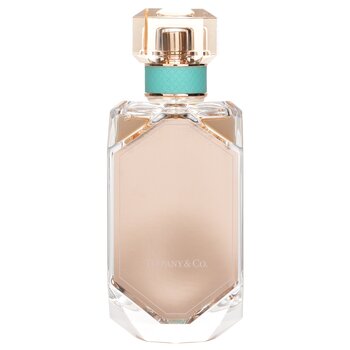


Tiffany & Co. Rose Gold Eau de Parfum, 2.5-oz.
Summary
This perfume contains synthetic fragrance, which can include a variety of undisclosed chemicals that may pose risks such as skin irritation or endocrine disruption. While it is minimally processed, the presence of synthetic fragrance detracts from its overall safety profile. The lack of other harmful substances helps maintain a moderate score.
At a glance
Key ingredients 5
Blackcurrant
Blackcurrant is often used in fragrances for its rich, fruity aroma. It is derived from the berries of the blackcurrant plant. In cosmetics, it is primarily used for its scent rather than any direct skin benefits.
Risks
There are minimal risks associated with blackcurrant in cosmetics, though some individuals may experience mild irritation if sensitive.
Benefits
Blackcurrant provides a natural, pleasant fragrance to products, enhancing the sensory experience.
Blue Rose
Blue Rose is a rare and unique ingredient used for its distinctive floral scent. It is often included in perfumes to add a luxurious and exotic aroma. The blue rose is not naturally occurring and is typically created through genetic modification or dyeing.
Risks
There are no significant risks associated with blue rose in cosmetics, though synthetic versions may cause irritation in sensitive individuals.
Benefits
Blue Rose adds a unique and luxurious fragrance, making the product more appealing.
Iris
Iris is used in perfumes for its delicate, powdery floral scent. It is derived from the rhizomes of the iris plant, which are dried and processed to extract the fragrance. Iris is a traditional ingredient in high-end perfumery.
Risks
Iris can cause skin irritation or allergic reactions in sensitive individuals, though this is rare.
Benefits
Iris provides a sophisticated and elegant fragrance, enhancing the overall scent profile of the product.
Musk
Musk is a common fragrance ingredient known for its deep, warm scent. It can be derived from animal sources, though synthetic versions are more common in modern perfumery. Musk is used to add depth and longevity to fragrances.
Risks
Synthetic musks can accumulate in the environment and may cause allergic reactions in some individuals.
Benefits
Musk enhances the longevity and richness of the fragrance, making it more enduring.
Ambrette Seed
Ambrette Seed is used in perfumery for its musky, sweet aroma. It is derived from the seeds of the hibiscus plant and is valued for its natural fragrance profile. Ambrette Seed is often used as a natural alternative to animal musk.
Risks
Ambrette Seed is generally considered safe, though it may cause mild irritation in sensitive individuals.
Benefits
Ambrette Seed provides a natural, musky scent, adding complexity and warmth to the fragrance.
Processing
Unprocessed or Minimally Processed Foods
Get the full breakdown in the Scout app
Scan any product to see lab results, healthy alternatives, and your personalized analysis.
Download on theApp Store