
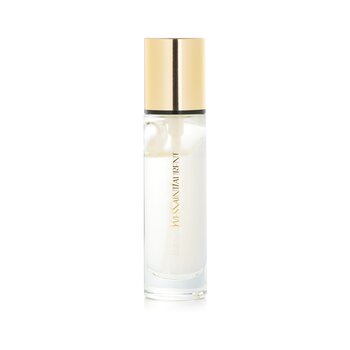

Yves Saint Laurent Touche Eclat Blur Face Primer, 1 oz.
Summary
This face primer contains several synthetic ingredients, including silicones and preservatives, which are common in cosmetic formulations but can be concerning for sensitive skin. While it does not contain harsh surfactants or known endocrine disruptors, the presence of synthetic fragrance and other chemical additives lowers its overall safety profile. The product's processing level and ingredient complexity further impact its rating, as it lacks the natural, minimally processed ingredients that would elevate its score.
At a glance
Key ingredients 7
Cyclopentasiloxane
Cyclopentasiloxane is a type of silicone that provides a smooth application and helps to fill in fine lines and pores. It is commonly used in cosmetics for its lightweight and silky feel. It evaporates quickly, leaving a non-greasy finish.
Risks
There are concerns about its potential to bioaccumulate in the environment.
Benefits
It enhances the texture of the product and provides a smooth, even application.
Dimethicone Crosspolymer
Dimethicone Crosspolymer is a silicone derivative that provides a silky, smooth texture to cosmetic products. It helps to create a barrier on the skin, which can lock in moisture. It is often used to improve the spreadability of products.
Risks
There is minimal risk associated with topical use, but it can cause build-up on the skin if not properly cleansed.
Benefits
It improves the texture and feel of the product, making it more pleasant to use.
Parfum
Parfum is a term used to denote fragrance in cosmetic products. It is added to enhance the sensory experience of the product. However, it can be a mixture of various chemicals.
Risks
Fragrance can cause skin irritation and allergic reactions in sensitive individuals.
Benefits
It provides a pleasant scent to the product, enhancing user experience.
Zea Mays Oil
Zea Mays Oil, also known as corn oil, is a natural oil that is rich in fatty acids and vitamin E. It is used in cosmetics for its moisturizing properties. It helps to nourish and soften the skin.
Risks
There is a low risk of allergic reactions, but it is generally considered safe for topical use.
Benefits
It provides hydration and nourishment to the skin, improving its overall condition.
Prunus Armeniaca Kernel Oil
Prunus Armeniaca Kernel Oil, or apricot kernel oil, is a natural oil known for its emollient properties. It is rich in vitamins A and E, which help to soothe and nourish the skin. It is easily absorbed and does not leave a greasy residue.
Risks
There is a low risk of allergic reactions, but it is generally considered safe for most skin types.
Benefits
It helps to moisturize and soften the skin, providing essential nutrients.
Passiflora Oil
Passiflora Oil, derived from the passionflower, is known for its calming and soothing properties. It is rich in essential fatty acids, which help to maintain skin hydration. It is often used in skincare for its anti-inflammatory benefits.
Risks
There is minimal risk associated with its use, though it may cause irritation in very sensitive skin.
Benefits
It helps to soothe and hydrate the skin, reducing inflammation and promoting a healthy complexion.
Rice Bran Oil
Rice Bran Oil is a natural oil extracted from the outer layer of rice grains. It is rich in antioxidants, vitamins, and fatty acids, making it beneficial for skin health. It is known for its ability to improve skin texture and elasticity.
Risks
There is a low risk of allergic reactions, but it is generally safe for topical use.
Benefits
It provides nourishment and protection to the skin, enhancing its overall appearance.
Processing
Processed Foods
Get the full breakdown in the Scout app
Scan any product to see lab results, healthy alternatives, and your personalized analysis.
Download on theApp Store