
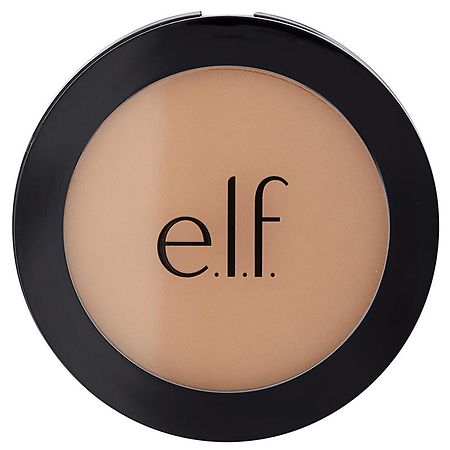
e.l.f. Primer-Infused Bronzer Forever Sunkissed - 0.35oz: Vegan, Paraben-Free, Hydroquinone-Free, Pressed Powder
Summary
This bronzer is free from parabens and hydroquinone, which are positive aspects for ingredient safety. However, as a processed product, it may contain synthetic ingredients that are not as clean as natural alternatives. The absence of harmful substances like PTFE or microplastics is beneficial, but the overall processing level and potential presence of synthetic additives limit its score.
At a glance
Key ingredients 14
Talc
Talc is a mineral used for its absorbent properties and smooth texture in cosmetics. However, it has been associated with contamination risks from asbestos, a known carcinogen. Its safety is often debated, especially in products applied near sensitive areas.
Risks
Potential contamination with asbestos, which is a carcinogen.
Benefits
Provides a smooth texture and absorbent properties in cosmetic formulations.
DimethiconeNeutral
Dimethicone is a type of silicone used to create a smooth application and improve the texture of products. It forms a barrier on the skin, which can help retain moisture. However, it may also trap impurities and prevent the skin from breathing.
Risks
May trap impurities and prevent the skin from breathing.
Benefits
Improves product texture and helps retain skin moisture.
SilicaNeutral
Silica is used in cosmetics for its oil-absorbing properties and to improve the texture of products. It can help reduce shine and provide a matte finish. However, inhalation of fine silica particles can pose respiratory risks.
Risks
Inhalation of fine particles can pose respiratory risks.
Benefits
Provides oil-absorbing properties and a matte finish.
Nylon-12
Nylon-12 is a synthetic polymer used to enhance the texture and feel of cosmetic products. It is considered a microplastic, which raises environmental concerns. Its use in cosmetics is controversial due to potential ecological impact.
Risks
Environmental concerns due to its classification as a microplastic.
Benefits
Enhances texture and feel of cosmetic products.
Magnesium StearateNeutral
Magnesium Stearate is used as a lubricant and anti-caking agent in cosmetics. It helps improve the consistency and spreadability of products. While generally considered safe, it can cause skin irritation in some individuals.
Risks
May cause skin irritation in sensitive individuals.
Benefits
Improves consistency and spreadability of products.
Magnesium PalmitateNeutral
Magnesium Palmitate is an emulsifier and thickening agent used in cosmetics. It helps stabilize formulations and improve texture. There are minimal known risks associated with its use in cosmetics.
Risks
Minimal known risks in cosmetic use.
Benefits
Stabilizes formulations and improves texture.
Boron NitrideNeutral
Boron Nitride is used in cosmetics for its lubricating properties and ability to provide a soft-focus effect. It enhances the application and feel of products. There are no significant health concerns associated with its use.
Benefits
Provides lubricating properties and a soft-focus effect.
PTFE
PTFE, or polytetrafluoroethylene, is used for its smooth application and water-repellent properties. However, it is a type of PFAS, which are persistent environmental pollutants. Its use in cosmetics is controversial due to potential health and environmental risks.
Risks
Potential health and environmental risks as a persistent pollutant.
Benefits
Provides smooth application and water-repellent properties.
Ethylhexyl PalmitateNeutral
Ethylhexyl Palmitate is an emollient that provides a smooth, non-greasy feel to cosmetic products. It is derived from palm oil and is generally considered safe. However, its use raises sustainability concerns due to palm oil sourcing.
Risks
Sustainability concerns due to palm oil sourcing.
Benefits
Provides a smooth, non-greasy feel to products.
TriethoxycaprylylsilaneNeutral
Triethoxycaprylylsilane is used as a surface modifier to improve the dispersion of pigments in cosmetics. It enhances the stability and performance of formulations. There are no significant health concerns associated with its use.
Benefits
Improves pigment dispersion and formulation stability.
Tocopheryl Acetate
Tocopheryl Acetate is a form of Vitamin E used for its antioxidant properties. It helps protect the skin from damage caused by free radicals. It is beneficial for maintaining skin health and improving the shelf life of products.
Risks
Rarely, it may cause skin irritation in sensitive individuals.
Benefits
Provides antioxidant benefits and protects skin health.
Simmondsia Chinensis (Jojoba) Seed Oil
Jojoba Seed Oil is a natural oil known for its moisturizing and skin-soothing properties. It closely resembles the skin's natural sebum, making it an excellent emollient. It is beneficial for maintaining skin hydration and balance.
Risks
Generally safe with minimal risk of irritation.
Benefits
Moisturizes and soothes the skin, resembling natural sebum.
Butyrospermum Parkii (Shea) Butter
Shea Butter is a natural fat extracted from the nuts of the shea tree, known for its moisturizing and anti-inflammatory properties. It is rich in vitamins and fatty acids, making it beneficial for skin nourishment. It helps improve skin elasticity and provides a protective barrier.
Risks
Rarely, it may cause allergic reactions in individuals with nut allergies.
Benefits
Moisturizes and nourishes the skin, improving elasticity.
Bambusa Arundinacea (Bamboo) Stem PowderNeutral
Bamboo Stem Powder is used in cosmetics for its exfoliating properties and ability to provide a matte finish. It is a natural alternative to synthetic exfoliants. There are minimal known risks associated with its use.
Risks
Minimal known risks in cosmetic use.
Benefits
Provides exfoliating properties and a matte finish.
Processing
Processed Foods
Get the full breakdown in the Scout app
Scan any product to see lab results, healthy alternatives, and your personalized analysis.
Download on theApp Store