

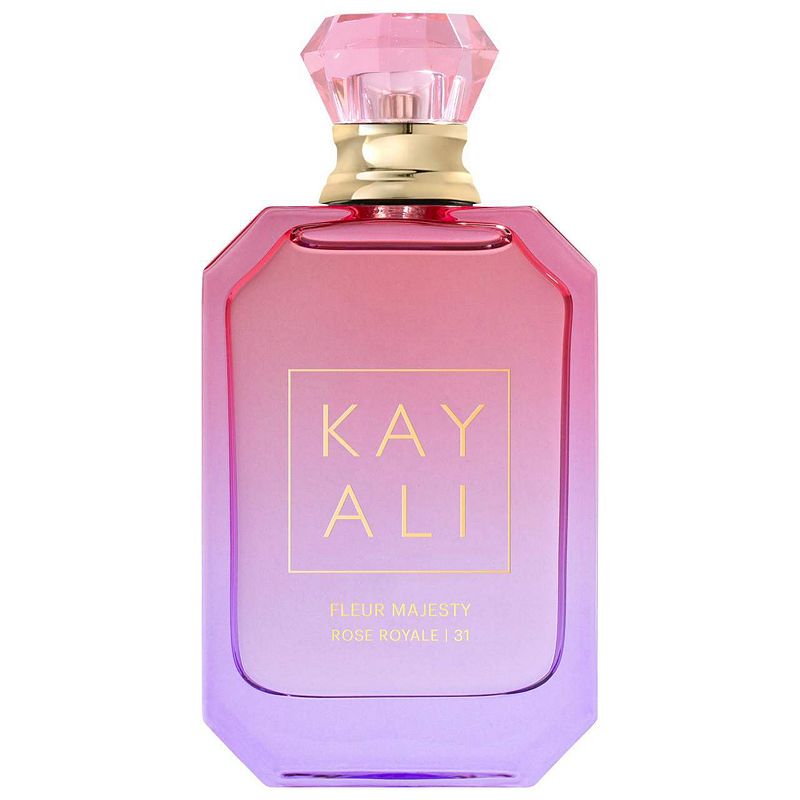


KAYALI VANILLA | 28 Eau de Parfum, Size: 3.4 FL Oz, White
Summary
This perfume is minimally processed and primarily consists of fragrance components. While it does not contain harmful ingredients typically found in cosmetics, such as parabens or synthetic dyes, the presence of synthetic fragrance can be a concern for some due to potential skin sensitivity. Overall, it maintains a clean label with a focus on fragrance rather than complex chemical additives.
At a glance
Key ingredients 8
Vanilla Orchid
Vanilla Orchid is often used for its pleasant fragrance and aromatic properties. It is a natural ingredient derived from the vanilla plant. It is generally considered safe for use in cosmetics.
Risks
There are minimal risks associated with Vanilla Orchid, though some individuals may experience mild allergic reactions.
Benefits
Vanilla Orchid provides a natural and appealing scent, enhancing the sensory experience of the product.
Jasmine
Jasmine is a fragrant flower used in cosmetics for its aromatic properties. It is a natural ingredient that adds a floral scent to products. Jasmine is generally well-tolerated in topical applications.
Risks
Some individuals may experience skin sensitivity or allergic reactions to jasmine.
Benefits
Jasmine is known for its calming and soothing fragrance, which can enhance the overall sensory appeal of the product.
Brown Sugar
Brown Sugar is used in cosmetics for its exfoliating properties and natural sweetness. It is a natural ingredient that can help to gently remove dead skin cells. It is generally considered safe for use in topical applications.
Risks
Brown Sugar may cause irritation if used excessively or on sensitive skin.
Benefits
Brown Sugar can help to smooth and soften the skin, providing a gentle exfoliating effect.
Tonka Bean
Tonka Bean is used in cosmetics for its warm, sweet fragrance. It is a natural ingredient derived from the seeds of the Dipteryx odorata tree. It is generally considered safe for use in cosmetics.
Risks
Tonka Bean contains coumarin, which can be toxic in large quantities, but is typically used in safe concentrations in cosmetics.
Benefits
Tonka Bean adds a rich, sweet aroma to products, enhancing their fragrance profile.
Amber
Amber is used in cosmetics for its warm, resinous scent. It is a natural ingredient that adds depth to the fragrance of a product. Amber is generally considered safe for use in cosmetics.
Risks
Amber is typically safe, but some individuals may experience mild skin irritation.
Benefits
Amber provides a rich, warm fragrance that can enhance the sensory experience of the product.
Amberwood
Amberwood is a synthetic fragrance ingredient used to mimic the scent of natural amber. It is used to add a woody, warm note to fragrances. It is generally considered safe for use in cosmetics.
Risks
Synthetic fragrance ingredients like Amberwood may cause allergic reactions in sensitive individuals.
Benefits
Amberwood provides a long-lasting, warm fragrance that enhances the overall scent profile of the product.
Musk
Musk is used in cosmetics for its deep, animalistic fragrance. It can be derived naturally or synthetically. Musk is commonly used to add depth and longevity to fragrances.
Risks
Synthetic musks can accumulate in the environment and may cause allergic reactions in some individuals.
Benefits
Musk provides a rich, long-lasting scent that enhances the fragrance profile of the product.
Patchouli
Patchouli is a fragrant herb used in cosmetics for its earthy, musky scent. It is a natural ingredient that is often used in perfumes and skincare products. Patchouli is generally considered safe for use in cosmetics.
Risks
Patchouli may cause skin irritation or allergic reactions in sensitive individuals.
Benefits
Patchouli provides a distinctive, earthy fragrance that can enhance the sensory appeal of the product.
Processing
Unprocessed or Minimally Processed Foods
Get the full breakdown in the Scout app
Scan any product to see lab results, healthy alternatives, and your personalized analysis.
Download on theApp Store