
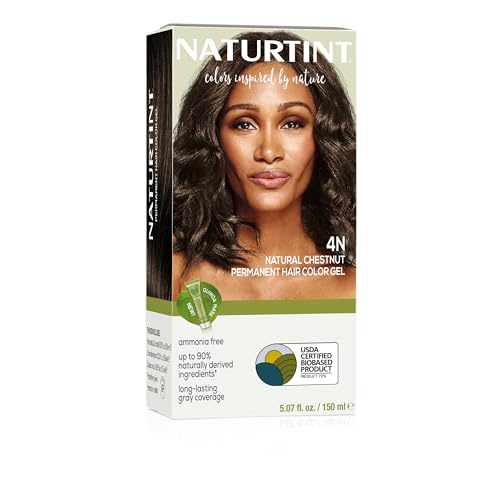



Naturtint 4N Natural Chestnut Permanent Hair Color 1 Pack (Packaging May Vary)
Summary
This hair color product contains a mix of natural and synthetic ingredients. While it includes some plant-based components, it also contains synthetic chemicals that are common in hair dyes, which can pose risks of irritation or allergic reactions. The processing level indicates it is moderately processed, which affects its overall safety and ingredient quality score.
At a glance
Key ingredients 14
Peg-2 Oleamine
PEG-2 Oleamine is a polyethylene glycol derivative used as an emulsifier and surfactant. It helps to stabilize formulations and improve texture. However, it is a synthetic compound that may contain impurities from the manufacturing process.
Risks
Potential contamination with ethylene oxide and 1,4-dioxane, which are harmful.
Benefits
Improves product texture and stability, enhancing user experience.
Water (Aqua)
Water is a universal solvent used in cosmetic formulations to dissolve other ingredients. It acts as a base for the product, allowing for even distribution of active ingredients. It is generally considered safe and non-irritating.
Benefits
Provides hydration and acts as a solvent for other beneficial ingredients.
Alcohol Denat
Denatured alcohol is used as a solvent and to help other ingredients penetrate the skin. It can also act as a preservative due to its antimicrobial properties. However, it can be drying and irritating to the skin.
Risks
May cause skin dryness and irritation with prolonged use.
Benefits
Enhances penetration of active ingredients and acts as a preservative.
Peg-4 Rapeseedamide
PEG-4 Rapeseedamide is an emulsifying agent derived from rapeseed oil. It helps to blend oil and water-based ingredients in formulations. Being a PEG compound, it may carry risks of contamination.
Risks
Potential contamination with harmful impurities like 1,4-dioxane.
Benefits
Improves emulsification and texture of the product.
Propanediol
Propanediol is a glycol used as a solvent and humectant in cosmetics. It helps to improve the texture and moisture retention of the product. It is generally considered safe and non-irritating.
Risks
Minimal risks, though some individuals may experience mild irritation.
Benefits
Enhances moisture retention and improves product texture.
Oleic Acid
Oleic Acid is a fatty acid used as an emulsifier and surfactant. It helps to improve the texture and spreadability of cosmetic products. It is derived from natural sources like olive oil.
Risks
May cause irritation in sensitive individuals.
Benefits
Improves texture and provides moisturizing benefits.
Ethanolamine
Ethanolamine is used as a pH adjuster and emulsifier in cosmetics. It helps to stabilize formulations and improve texture. However, it is associated with potential health risks and is considered a harmful substance.
Risks
Linked to skin irritation and potential contamination with nitrosamines, which are carcinogenic.
Benefits
Improves product stability and texture.
Hydrolyzed Oat Protein
Hydrolyzed Oat Protein is a natural ingredient used for its conditioning and moisturizing properties. It helps to strengthen and protect hair by forming a protective barrier. It is generally considered safe and beneficial.
Risks
Minimal risks, though rare allergic reactions may occur.
Benefits
Provides conditioning and strengthens hair.
Hydrolyzed Wheat Protein
Hydrolyzed Wheat Protein is used for its conditioning and strengthening properties in hair care products. It helps to improve hair elasticity and moisture retention. It is derived from natural sources and is generally considered beneficial.
Risks
May cause allergic reactions in individuals with wheat allergies.
Benefits
Enhances hair strength and moisture retention.
Meadowfoam (Limnanthes Alba) Seed Oil
Meadowfoam Seed Oil is a natural oil known for its moisturizing and conditioning properties. It helps to lock in moisture and protect hair from environmental damage. It is considered a beneficial ingredient in hair care.
Risks
Generally safe with minimal risk of irritation.
Benefits
Provides deep moisture and protection for hair.
Tetrasodium Glutamate Diacetate
Tetrasodium Glutamate Diacetate is a chelating agent used to improve the stability and efficacy of cosmetic formulations. It helps to bind metal ions and prevent product degradation. It is considered safe for use in cosmetics.
Risks
Minimal risks, though some individuals may experience mild irritation.
Benefits
Enhances product stability and efficacy.
Sodium Metabisulfite
Sodium Metabisulfite is used as a preservative and antioxidant in cosmetics. It helps to prevent oxidation and extend the shelf life of products. However, it can cause allergic reactions in sensitive individuals.
Risks
May cause allergic reactions and skin irritation.
Benefits
Acts as a preservative and antioxidant, extending product shelf life.
Sodium Erythorbate
Sodium Erythorbate is an antioxidant used to preserve the freshness and color of cosmetic products. It helps to prevent oxidation and maintain product quality. It is generally considered safe for use in cosmetics.
Risks
Minimal risks, though some individuals may experience mild irritation.
Benefits
Prevents oxidation and maintains product quality.
p-Phenylenediamine
p-Phenylenediamine is a common hair dye ingredient used for its effective coloring properties. It provides long-lasting color results in hair dyes. However, it is associated with significant health risks and is considered a harmful substance.
Risks
Linked to allergic reactions, skin irritation, and potential carcinogenic effects.
Benefits
Provides effective and long-lasting hair color.
Processing
Processed Foods
Get the full breakdown in the Scout app
Scan any product to see lab results, healthy alternatives, and your personalized analysis.
Download on theApp Store