
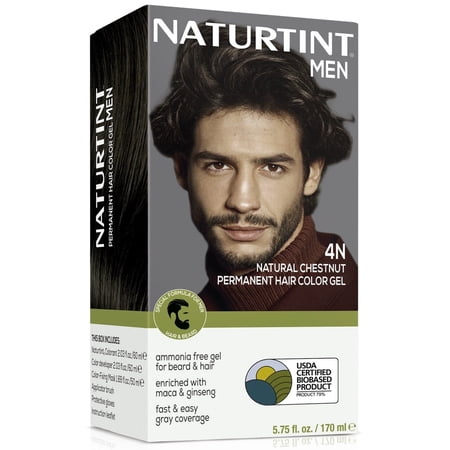


Naturtint 4N Natural Chestnut Men s Permanent Hair Color
Summary
This hair color product contains a mix of natural and synthetic ingredients. While it includes some natural oils and plant extracts, it also contains synthetic chemicals that are common in hair dyes. The presence of these synthetic ingredients, which can pose potential risks such as skin irritation, affects the overall safety profile of the product.
At a glance
Key ingredients 9
PEG-2 OLEAMINE
PEG-2 Oleamine is a polyethylene glycol derivative used as an emulsifier and surfactant. It helps to stabilize formulations and improve texture. However, it is a synthetic compound that may raise concerns about potential impurities.
Risks
There is a risk of contamination with ethylene oxide and 1,4-dioxane, which are potentially harmful.
Benefits
It enhances the spreadability and consistency of the product, improving user experience.
WATER (AQUA)
Water is a universal solvent used in cosmetic formulations to dissolve other ingredients. It acts as a base for the product, allowing for the even distribution of active ingredients. It is generally considered safe and non-irritating.
Risks
There are no significant risks associated with water in cosmetic formulations.
Benefits
Water hydrates and helps in the application of the product.
ALCOHOL DENAT
Denatured alcohol is used as a solvent and astringent in cosmetic products. It helps to dissolve other ingredients and can provide a quick-drying finish. However, it can be drying and irritating to the skin.
Risks
It may cause skin dryness and irritation, especially with prolonged use.
Benefits
It helps in the quick evaporation of the product, reducing drying time.
PEG-4 RAPESEEDAMIDE
PEG-4 Rapeseedamide is a polyethylene glycol derivative used as a surfactant and emulsifier. It helps to stabilize formulations and improve texture. As a synthetic compound, it may have concerns regarding impurities.
Risks
Potential contamination with ethylene oxide and 1,4-dioxane is a concern.
Benefits
It enhances the texture and stability of the product.
PROPANEDIOL
Propanediol is a glycol used as a solvent and humectant in cosmetics. It helps to improve the texture and moisture retention of the product. It is generally considered safe and non-irritating.
Risks
There are minimal risks associated with propanediol, though it may cause irritation in sensitive individuals.
Benefits
It enhances skin hydration and improves the texture of the formulation.
OLEIC ACID
Oleic acid is a fatty acid used as an emulsifier and surfactant in cosmetics. It helps to stabilize formulations and improve texture. It is derived from natural sources and is generally considered safe.
Risks
In high concentrations, it may cause skin irritation or exacerbate acne in some individuals.
Benefits
It provides moisturizing properties and improves the texture of the product.
ETHANOLAMINE
Ethanolamine is used as a pH adjuster and emulsifier in cosmetic products. It helps to stabilize formulations and improve texture. However, it is an ethanolamine compound, which can be irritating and has potential health concerns.
Risks
It may cause skin irritation and has been associated with potential carcinogenic risks.
Benefits
It helps to maintain the stability and consistency of the product.
HYDROLYZED OAT PROTEIN
Hydrolyzed oat protein is used as a conditioning agent in cosmetics. It helps to improve the texture and moisture retention of the product. It is derived from natural sources and is generally considered beneficial.
Risks
There are minimal risks associated with hydrolyzed oat protein, though it may cause allergic reactions in sensitive individuals.
Benefits
It enhances skin hydration and provides a soothing effect.
2-AMINO-4-HYDROXYETHYLAMINOANISOLE SULFATE
This compound is used as a hair dye intermediate in permanent hair color products. It helps to achieve the desired color by reacting with other dye components. However, it is a synthetic compound that may cause irritation.
Risks
It may cause skin irritation and allergic reactions in some individuals.
Benefits
It provides effective hair coloring results.
Processing
Processed Foods
Get the full breakdown in the Scout app
Scan any product to see lab results, healthy alternatives, and your personalized analysis.
Download on theApp Store