
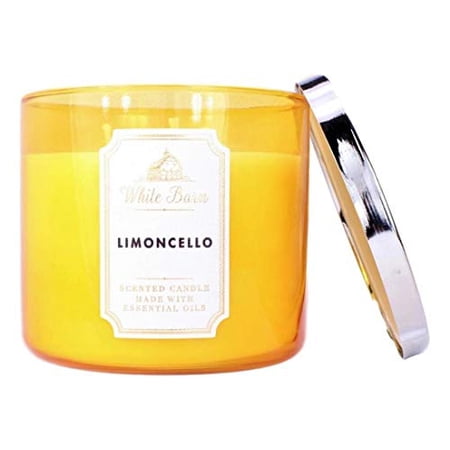

Bath & Body Works 2014 LIMONCELLO 3 Wick Scented Candle 14.5 oz./411 g
Summary
This candle is made with soy wax, which is a renewable resource and burns cleaner than paraffin. However, the presence of synthetic fragrances can release potentially harmful compounds when burned, which affects its overall safety. The processing level indicates it is a processed product, which further impacts its rating.
At a glance
Key ingredients 6
fragrance oils
Fragrance oils are often used in candles to provide a pleasant scent. They can be synthetic or natural, but synthetic versions are more common in commercial products. These oils can release volatile organic compounds (VOCs) when burned.
Risks
Synthetic fragrance oils may contain phthalates and other chemicals that can be harmful when inhaled.
Benefits
They provide a wide range of scents that can enhance the ambiance of a space.
lead free wicks
Lead free wicks are used to avoid the release of toxic lead fumes when candles are burned. They are typically made from cotton or other natural fibers. This choice is important for health and safety standards.
Risks
There are minimal risks associated with lead free wicks as they do not release harmful substances.
Benefits
They ensure a cleaner burn and are safer for indoor air quality.
citral
Citral is a natural compound found in the oils of several plants, including lemongrass. It is used for its strong lemon scent and is a common ingredient in fragrances. It is generally considered safe when used in small amounts.
Risks
In high concentrations, citral can cause skin irritation or allergic reactions.
Benefits
It provides a fresh, citrus aroma and is derived from natural sources.
dipentene
Dipentene, also known as limonene, is a natural compound found in the oils of citrus fruits. It is used for its pleasant citrus scent and is a common ingredient in fragrances. It is generally recognized as safe in small quantities.
Risks
Dipentene can cause skin irritation and allergic reactions in sensitive individuals.
Benefits
It is a natural fragrance component that provides a refreshing citrus scent.
Pin-2(10)-ene
Pin-2(10)-ene is a terpene found in the oils of pine trees and other conifers. It is used for its fresh, pine-like aroma and is a natural component of many essential oils. It is generally considered safe in small amounts.
Risks
Exposure to high concentrations can cause respiratory irritation.
Benefits
It provides a natural, woody scent and is derived from plant sources.
Pin-2(3)-ene
Pin-2(3)-ene is a terpene similar to Pin-2(10)-ene, found in pine oils and other natural sources. It is used for its fresh, pine-like aroma and is a natural component of many essential oils. It is generally considered safe in small amounts.
Risks
High concentrations may lead to respiratory irritation.
Benefits
It contributes a natural, woody fragrance and is sourced from plants.
Processing
Processed Foods
Get the full breakdown in the Scout app
Scan any product to see lab results, healthy alternatives, and your personalized analysis.
Download on theApp Store