

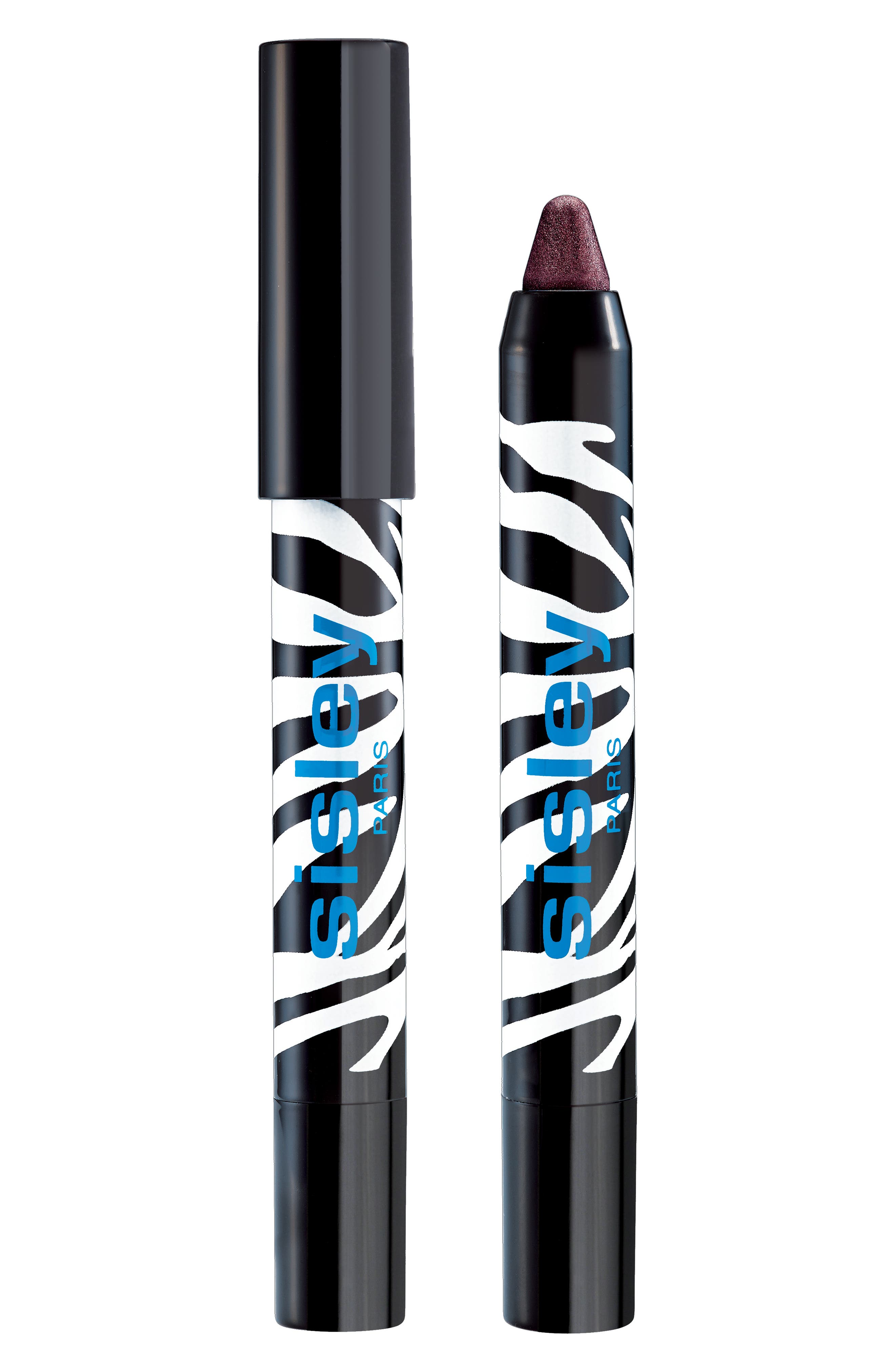


ILIA Clean Line Gel Eyeliner in Dusk at Nordstrom
Summary
The ILIA Clean Line Gel Eyeliner contains a mix of natural and synthetic ingredients. While it avoids some of the most harmful chemicals like parabens and formaldehyde releasers, it does include synthetic preservatives and stabilizers. The presence of beneficial ingredients like natural oils and waxes helps balance the formulation, but the processing level and inclusion of some synthetic components prevent it from achieving a higher score.
At a glance
Key ingredients 15
Aqua/Water/Eau
Aqua is used as a solvent in cosmetic formulations. It helps dissolve other ingredients and provides a base for the product. It is generally considered safe and non-irritating.
Risks
There are no significant risks associated with water in cosmetics.
Benefits
Water is essential for dissolving ingredients and ensuring even application.
Charcoal Powder
Charcoal powder is used for its pigment and potential detoxifying properties. It can help absorb excess oil and impurities from the skin. It is generally safe for topical use.
Risks
Charcoal can be drying if used excessively on sensitive skin.
Benefits
Provides a natural pigment and may help in detoxifying the skin.
Styrene/Acrylates Copolymer
This copolymer is used as a film-forming agent in cosmetics. It helps the product adhere to the skin and provides water resistance. It is generally considered safe but can be a microplastic.
Risks
Potential environmental concerns due to microplastic pollution.
Benefits
Improves product longevity and water resistance.
Butylene Glycol
Butylene glycol is a solvent and conditioning agent. It helps improve the texture of the product and enhances penetration of other ingredients. It is generally safe for use in cosmetics.
Risks
May cause irritation in very sensitive skin types.
Benefits
Improves product texture and enhances ingredient absorption.
1,2-Hexanediol
1,2-Hexanediol is used as a preservative and humectant. It helps maintain moisture and extends the shelf life of the product. It is considered safe for use in cosmetics.
Risks
Rarely, it may cause irritation in sensitive individuals.
Benefits
Acts as a preservative and helps retain moisture.
Diglycerin
Diglycerin is a humectant that helps retain moisture in the skin. It is similar to glycerin but with a higher molecular weight, providing longer-lasting hydration. It is safe and non-irritating.
Benefits
Provides long-lasting hydration and improves skin texture.
Polyglyceryl-10 Isostearate
This ingredient is an emulsifier that helps blend oil and water components. It improves the stability and texture of the product. It is derived from natural sources and is considered safe.
Benefits
Enhances product stability and texture.
Dimethicone
Dimethicone is a silicone-based polymer used for its smoothing and conditioning properties. It forms a protective barrier on the skin, reducing moisture loss. It is widely used and considered safe.
Risks
May cause buildup on the skin with prolonged use.
Benefits
Provides a smooth application and protects the skin barrier.
Polymethylsilsesquioxane
This silicone derivative is used for its film-forming and mattifying properties. It helps create a smooth, even finish on the skin. It is generally considered safe for use in cosmetics.
Benefits
Improves product finish and provides a matte effect.
Polyethylene
Polyethylene is used as a thickening agent and film former. It helps improve the texture and stability of the product. However, it is a microplastic and poses environmental concerns.
Risks
Environmental concerns due to microplastic pollution.
Benefits
Enhances product texture and stability.
Sucrose Tetrastearate Triacetate
This ingredient is an emulsifier and skin conditioning agent. It helps blend ingredients and provides a smooth texture. It is considered safe for use in cosmetics.
Benefits
Improves product texture and provides skin conditioning.
Polyisobutene
Polyisobutene is used as a binder and film-forming agent. It helps improve the wear and longevity of the product. It is generally considered safe but is a synthetic polymer.
Benefits
Enhances product longevity and wear.
Trimethylsiloxysilicate
This silicone resin is used for its film-forming and water-resistant properties. It helps the product adhere better to the skin. It is considered safe for use in cosmetics.
Benefits
Improves product adhesion and water resistance.
Silica
Silica is used as an absorbent and anti-caking agent. It helps control oil and provides a matte finish. It is generally considered safe for use in cosmetics.
Risks
Inhalation of fine silica particles can be harmful, but this is not a concern in gel formulations.
Benefits
Controls oil and provides a matte finish.
Coco-Caprylate
Coco-Caprylate is an emollient derived from coconut oil. It provides a silky feel and enhances skin hydration. It is considered safe and beneficial for skin conditioning.
Benefits
Enhances skin hydration and provides a silky texture.
Processing
Processed Foods
Get the full breakdown in the Scout app
Scan any product to see lab results, healthy alternatives, and your personalized analysis.
Download on theApp Store