
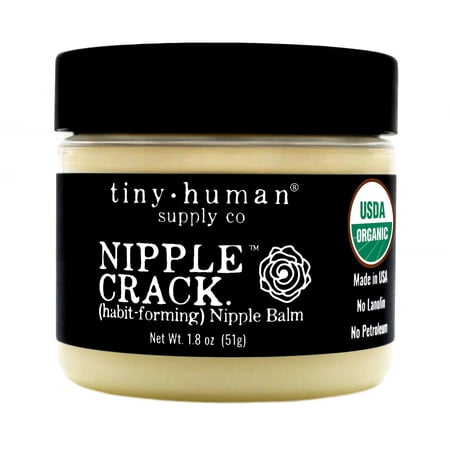
Organic Nipple Cream Nipple Crack Lanolin-Free Breastfeeding Nipple Balm Tiny Human Supply Co
Summary
This nipple balm is formulated with natural ingredients, avoiding synthetic chemicals and potential allergens. The absence of lanolin and petroleum derivatives makes it a safe choice for sensitive skin, particularly for breastfeeding mothers. Its minimal processing and clean label contribute to its high rating, ensuring it provides effective moisture without harmful additives.
At a glance
Key ingredients 7
Sunflower
Sunflower oil is a natural oil rich in vitamin E and fatty acids, which help to nourish and moisturize the skin. It is often used in skincare products for its emollient properties. Sunflower oil is non-comedogenic and suitable for sensitive skin.
Risks
There are minimal risks associated with sunflower oil, though some individuals may experience mild allergic reactions.
Benefits
Sunflower oil provides excellent hydration and helps maintain the skin's natural barrier.
Coconut
Coconut oil is a natural moisturizer that is widely used for its hydrating and antibacterial properties. It contains medium-chain fatty acids that help to nourish and protect the skin. Coconut oil is also known for its ability to soothe irritated skin.
Risks
Coconut oil can be comedogenic for some skin types, potentially leading to clogged pores.
Benefits
It provides deep hydration and has antimicrobial properties that can benefit skin health.
Beeswax
Beeswax is a natural wax produced by honeybees and is used in skincare for its protective barrier-forming properties. It helps to lock in moisture and protect the skin from environmental irritants. Beeswax is also known for its anti-inflammatory and antibacterial benefits.
Risks
Beeswax is generally safe, but some people may have allergic reactions to bee products.
Benefits
It forms a protective barrier on the skin, helping to retain moisture and reduce inflammation.
Olive
Olive oil is a natural oil rich in antioxidants and healthy fats, making it an excellent moisturizer for the skin. It is known for its ability to penetrate deeply and provide long-lasting hydration. Olive oil also contains vitamins A, D, E, and K, which are beneficial for skin health.
Risks
Olive oil can be heavy and may not be suitable for all skin types, potentially causing clogged pores.
Benefits
It provides deep nourishment and helps to improve skin elasticity and smoothness.
Shea
Shea butter is a natural fat extracted from the nuts of the shea tree, known for its rich moisturizing properties. It contains vitamins A and E, which help to soothe and condition the skin. Shea butter is often used to treat dry skin and improve skin elasticity.
Risks
Shea butter is generally safe, but in rare cases, it may cause allergic reactions.
Benefits
It deeply moisturizes and nourishes the skin, promoting softness and reducing inflammation.
Aloe
Aloe vera is a plant extract known for its soothing and healing properties, often used to treat skin irritation and inflammation. It contains vitamins, enzymes, and amino acids that promote skin health. Aloe vera is also effective in providing hydration and improving skin texture.
Risks
Aloe vera is generally safe, but some individuals may experience allergic reactions or skin irritation.
Benefits
It soothes and hydrates the skin, helping to reduce redness and promote healing.
Calendula
Calendula is a botanical extract known for its anti-inflammatory and healing properties. It is often used in skincare to soothe irritated skin and promote wound healing. Calendula is rich in antioxidants and helps to protect the skin from environmental damage.
Risks
Calendula is generally safe, but allergic reactions are possible in sensitive individuals.
Benefits
It helps to soothe and heal the skin, reducing inflammation and promoting skin repair.
Processing
Unprocessed or Minimally Processed Foods
Get the full breakdown in the Scout app
Scan any product to see lab results, healthy alternatives, and your personalized analysis.
Download on theApp Store