
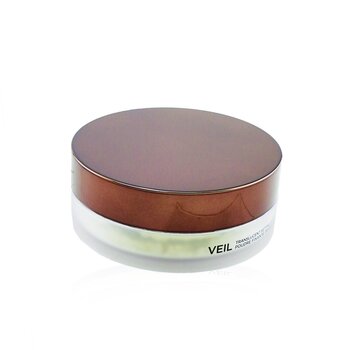

Hourglass Veil Translucent Setting Powder 0.36oz
Summary
This setting powder contains a mix of safe and synthetic ingredients. While it avoids harsh chemicals like parabens and formaldehyde releasers, it includes synthetic fragrance, which can be a skin irritant and is generally discouraged in clean beauty products. The presence of some processed ingredients limits its score, despite the absence of major harmful additives.
At a glance
Key ingredients 8
Mica
Mica is a mineral used to add shimmer and shine to cosmetics. It is generally considered safe for use in makeup products. However, there are concerns about ethical sourcing and potential contamination with heavy metals.
Risks
Potential contamination with heavy metals and ethical sourcing issues.
Benefits
Provides a natural shimmer and glow to the skin.
Alumina
Alumina is used as an abrasive and thickening agent in cosmetics. It is generally considered safe for topical use. However, inhalation of alumina dust can be harmful.
Risks
Inhalation of alumina dust can be harmful to respiratory health.
Benefits
Acts as a thickening agent and provides a smooth texture.
Polymethylsilsesquioxane
Polymethylsilsesquioxane is a silicone used to improve the texture and spreadability of products. It forms a protective barrier on the skin. There are minimal risks associated with its use in cosmetics.
Risks
Minimal risks, primarily related to potential skin irritation in sensitive individuals.
Benefits
Improves texture and provides a smooth, silky feel.
Methyl Methacrylate Crosspolymer
This ingredient is used to enhance the texture and durability of cosmetic products. It provides a matte finish and helps in oil absorption. There are concerns about skin irritation in some individuals.
Risks
Potential skin irritation in sensitive individuals.
Benefits
Enhances texture and provides a matte finish.
Boron Nitride
Boron Nitride is used in cosmetics for its lubricating and light-diffusing properties. It helps to create a soft-focus effect on the skin. It is generally considered safe for use in cosmetics.
Risks
Minimal risks, primarily related to potential skin irritation.
Benefits
Provides a soft-focus effect and improves product spreadability.
Hdi/Trimethylol Hexyllactone Crosspolymer
This ingredient is used as a film-forming agent in cosmetics. It helps to improve the wear and longevity of makeup products. There are minimal risks associated with its use.
Risks
Minimal risks, primarily related to potential skin irritation.
Benefits
Improves wear and longevity of makeup products.
Silica
Silica is used in cosmetics for its oil-absorbing and mattifying properties. It helps to control shine and improve the texture of products. There are concerns about inhalation risks with certain forms of silica.
Risks
Inhalation of silica dust can be harmful to respiratory health.
Benefits
Controls shine and improves product texture.
Diamond Powder
Diamond powder is used in cosmetics for its light-reflecting properties. It adds a luxurious feel and enhances the radiance of the skin. There are minimal risks associated with its use in cosmetics.
Risks
Minimal risks, primarily related to potential skin irritation.
Benefits
Enhances radiance and provides a luxurious feel.
Processing
Processed Foods
Get the full breakdown in the Scout app
Scan any product to see lab results, healthy alternatives, and your personalized analysis.
Download on theApp Store