
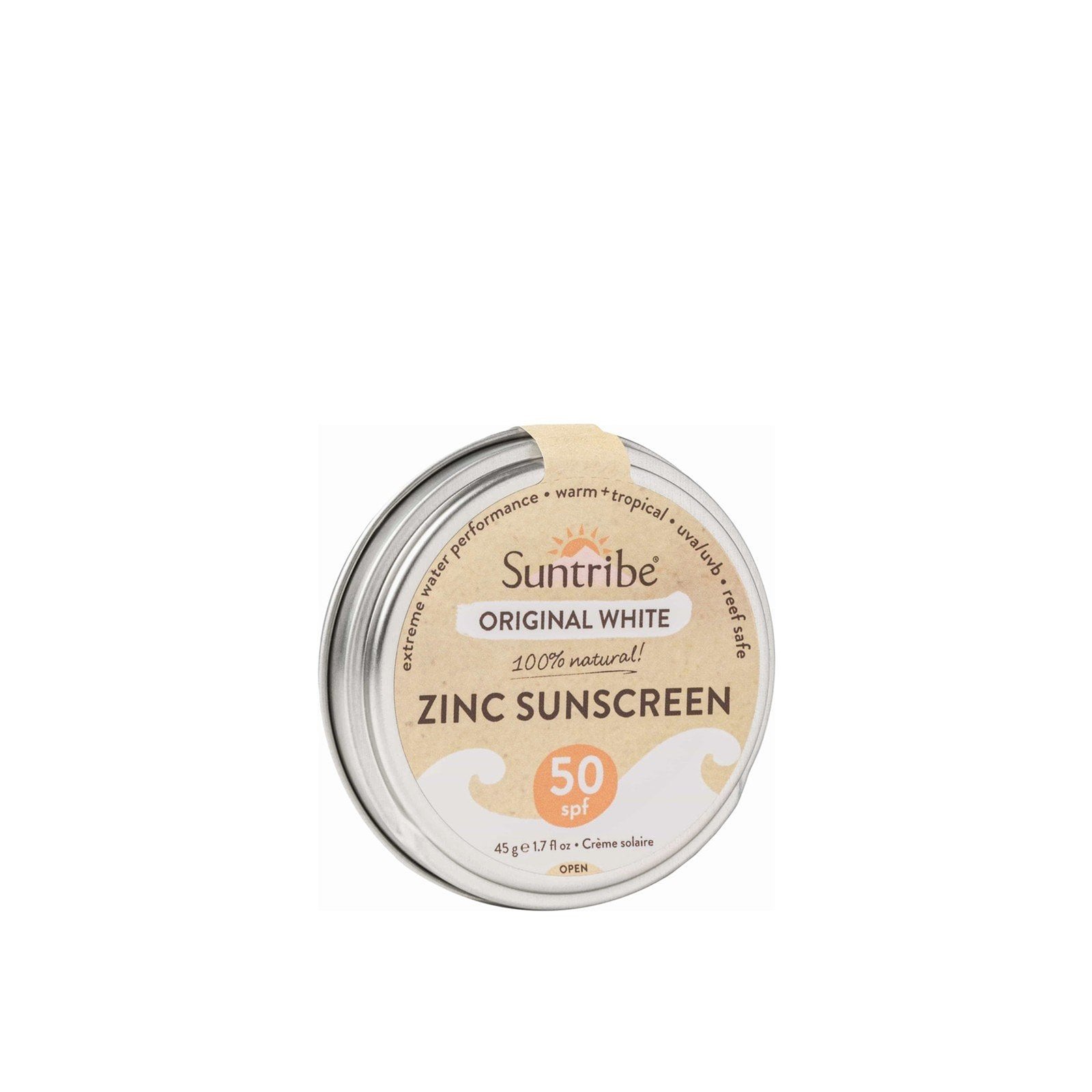
Mistine Aqua Spf50 Pa+++ Water Base Body Sunscreen Light No Greasy Oil Free 70ml
Summary
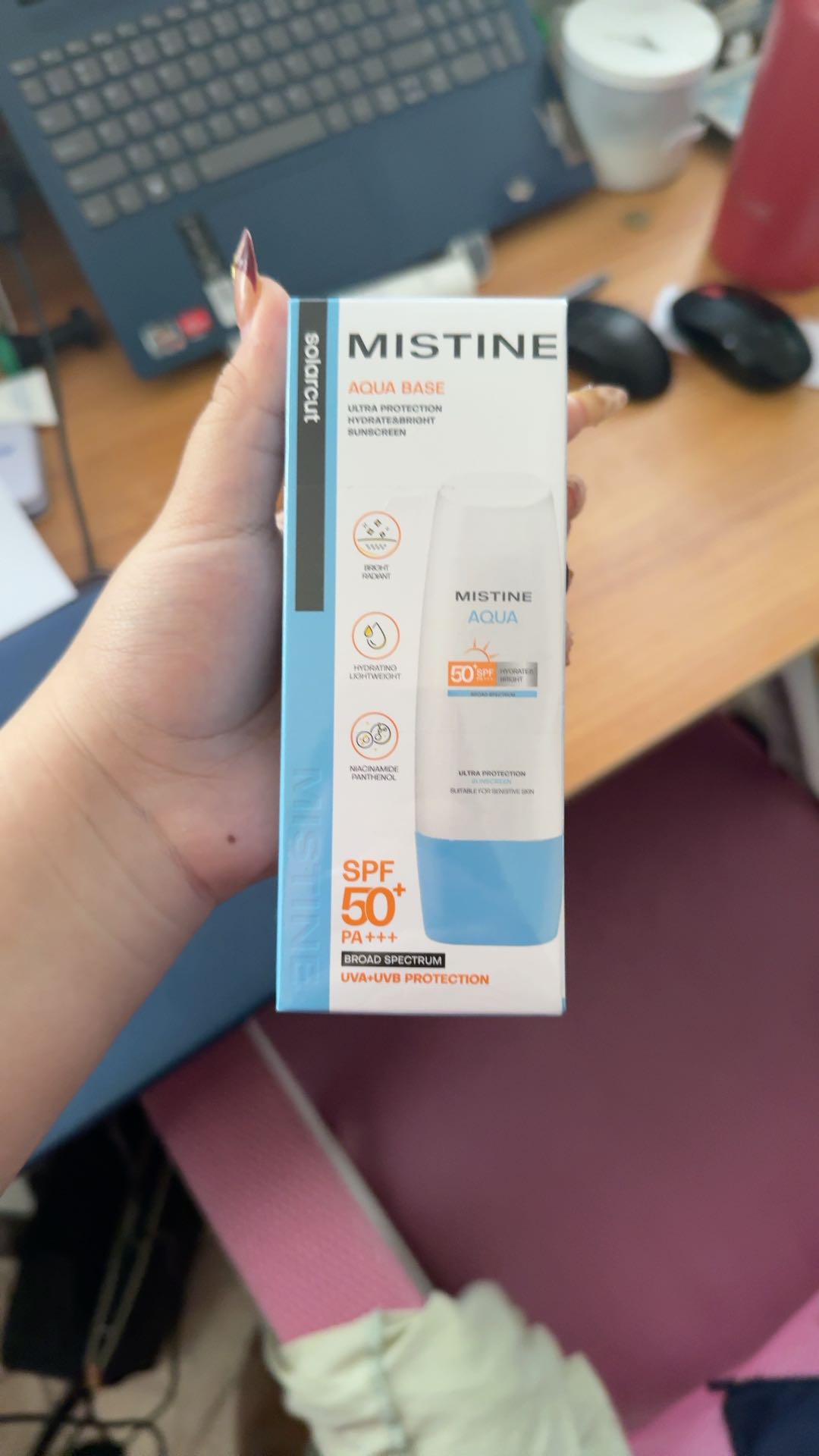
This sunscreen contains a mix of chemical UV filters, such as ethylhexyl methoxycinnamate, which can be concerning due to potential endocrine disruption. The presence of alcohol denat. may cause skin irritation for some users. While it lacks some of the most harmful ingredients like parabens or synthetic fragrances, the formulation is still moderately processed and includes ingredients that may not be ideal for sensitive skin.
At a glance
Key ingredients 7
Water
Water is a common solvent used in cosmetics to dissolve other ingredients. It helps in the even distribution of the product on the skin. It is generally considered safe and non-irritating.
Risks
There are no significant risks associated with water in cosmetics.
Benefits
Water helps in hydrating the skin and acts as a carrier for other beneficial ingredients.
Alcohol Denat.
Alcohol Denat. is used as a solvent and to help other ingredients penetrate the skin. It also acts as a preservative to extend the shelf life of the product. However, it can be drying and irritating to the skin.
Risks
Alcohol Denat. can cause skin dryness and irritation, especially for sensitive skin types.
Benefits
It helps in quick drying of the product and enhances the penetration of active ingredients.
Ethylhexyl methoxycinnamate
Ethylhexyl methoxycinnamate is a chemical UV filter used to protect the skin from UVB rays. It is commonly used in sunscreens for its effectiveness in absorbing UV radiation. However, it has been associated with potential endocrine disruption.
Risks
There are concerns about its potential to disrupt hormones and cause allergic reactions.
Benefits
It provides effective protection against sunburn by absorbing UVB radiation.
Methylene bis-benzotriazolyl tetramethylbutylphenol
This ingredient is a broad-spectrum UV filter that protects against both UVA and UVB rays. It is photostable, meaning it does not degrade easily in sunlight. It is considered safe for use in sunscreens.
Risks
There are minimal risks associated with this ingredient, though it may cause irritation in sensitive individuals.
Benefits
It offers strong and stable protection against a wide range of UV radiation.
Propylene Glycol
Propylene Glycol is used as a humectant, helping to retain moisture in the skin. It also acts as a solvent and penetration enhancer. While generally safe, it can cause irritation in some individuals.
Risks
It may cause skin irritation or allergic reactions in sensitive individuals.
Benefits
It helps in keeping the skin hydrated and enhances the absorption of other ingredients.
Cyclopentasiloxane
Cyclopentasiloxane is a silicone-based compound used to give products a smooth, silky feel. It helps in spreading the product evenly on the skin. It is generally considered safe but can be an environmental concern.
Risks
There are concerns about its persistence in the environment and potential bioaccumulation.
Benefits
It provides a smooth application and helps in reducing the greasy feel of products.
C12-15 Alkyl Benzoate
C12-15 Alkyl Benzoate is an emollient that helps to soften and smooth the skin. It also acts as a thickening agent and improves the spreadability of the product. It is generally considered safe for use in cosmetics.
Risks
There are minimal risks associated with this ingredient, though it may cause irritation in very sensitive skin.
Benefits
It enhances the texture of the product and provides a soft, non-greasy finish.
Processing
Processed Foods
Get the full breakdown in the Scout app
Scan any product to see lab results, healthy alternatives, and your personalized analysis.
Download on theApp Store