
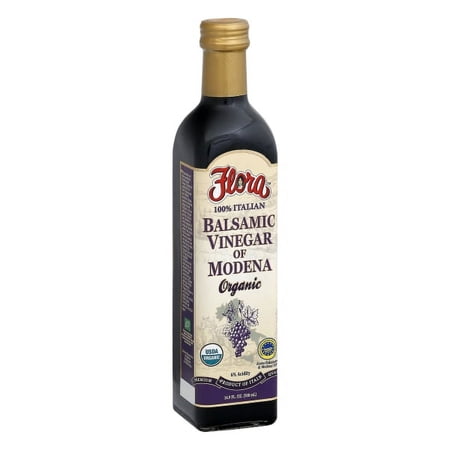


Flora Balsamic Vinegar Of Modena
Analysis updated June 2026 · How Scout scores
At a glance
Summary
This balsamic vinegar is considered ultra-processed due to the inclusion of caramel color, which is used to enhance appearance but may contain contaminants like 4-MEI. While the main ingredients, wine vinegar and cooked grape must, are typical for balsamic vinegar, the presence of an additive and the processing level limit its score. The product's processing level and the use of a colorant prevent it from achieving a higher rating.
Key ingredients 3
Wine VinegarNeutral
Wine vinegar is a fermented product that adds acidity and flavor to foods. It is made by fermenting wine, which can vary in quality and origin. While it provides flavor, it does not offer significant nutritional benefits.
Cooked Grape MustNeutral
Cooked grape must is a concentrated grape juice used to add sweetness and complexity to balsamic vinegar. It is made by cooking down grape juice, which can concentrate sugars. While it enhances flavor, it does not provide substantial nutritional benefits.
Colorant: CaramelBad
Caramel color is a widely used food coloring that can be produced through the controlled heat treatment of carbohydrates. It is often used to enhance the appearance of foods but does not contribute to nutritional value. Some forms of caramel color may contain contaminants like 4-MEI, which have raised health concerns.
Risks
Potential risks include the presence of contaminants such as 4-MEI, which may be a carcinogen.
Processing
Ultra-Processed Foods
Get the full breakdown in the Scout appTake Scout shopping
Scan any product to see lab results, healthy alternatives, and your personalized analysis.
Download on theApp Store GET IT ONGoogle PlayAmazon pricing & content
Amazon price as of . Product prices and availability are accurate as of the date/time indicated and are subject to change. Any price and availability information displayed on Amazon.com at the time of purchase will apply to the purchase of this product.
CERTAIN CONTENT THAT APPEARS ON THIS SITE COMES FROM AMAZON. THIS CONTENT IS PROVIDED “AS IS” AND IS SUBJECT TO CHANGE OR REMOVAL AT ANY TIME.