
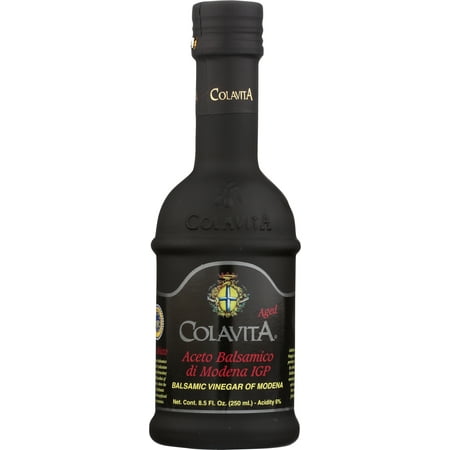


At a glance
Summary
This balsamic vinegar is ultra-processed due to the inclusion of caramel color, which is used for aesthetic purposes and may contain potentially harmful byproducts. The product's high sugar content from concentrated grape must also contributes to its processing level. Despite being a common condiment, the presence of additives and processing limits its healthfulness compared to more natural alternatives.
Key ingredients 3
Wine vinegarNeutral
Wine vinegar is a fermented product that provides acidity and flavor. It is made from the fermentation of wine, which can vary in quality. The fermentation process can preserve some beneficial compounds, but it primarily serves as a flavoring agent.
Benefits
Provides acidity that can enhance the flavor of dishes. Contains acetic acid, which may have some antimicrobial properties.
Concentrated grape mustNeutral
Concentrated grape must is a thick syrup made from crushed grapes, including the juice, skins, and seeds. It is used to add sweetness and flavor to balsamic vinegar. While it is a natural product, it is high in sugars, which can be a concern for those monitoring sugar intake.
Risks
High sugar content may contribute to increased calorie intake and potential blood sugar spikes.
Benefits
Provides natural sweetness and flavor complexity to balsamic vinegar. Contains some antioxidants from the grape skins.
Caramel colorBad
Caramel color is a widely used food coloring that gives products a rich brown color. It is produced by heating sugar, often with acids or alkalis, which can lead to the formation of potentially harmful byproducts. Its inclusion is primarily for aesthetic purposes and does not contribute to nutritional value.
Risks
May contain 4-MEI, a byproduct that has been linked to potential carcinogenic effects in high doses.
Processing
Ultra-Processed Foods
Get the full breakdown in the Scout appTake Scout shopping
Scan any product to see lab results, healthy alternatives, and your personalized analysis.
Download on theApp Store GET IT ONGoogle Play