
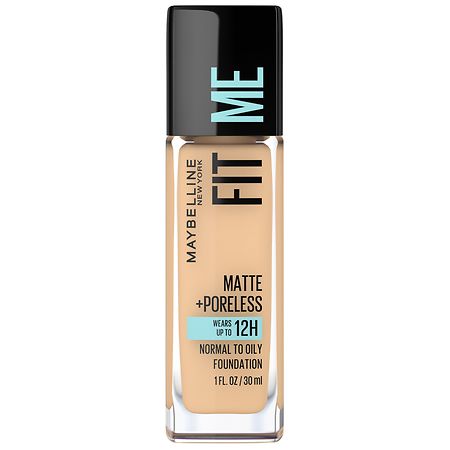
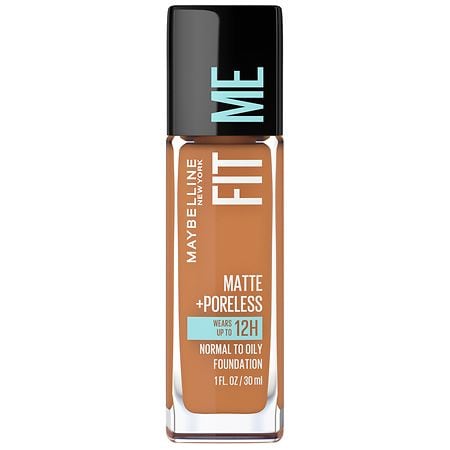


Maybelline Fit Me Matte + Poreless Oil Free Liquid Foundation - 1 fl oz - 128 Warm Nude - 1 fl oz
Summary
This foundation contains denatured alcohol, which can be drying and irritating to the skin, especially in high concentrations. While it is a processed product, it lacks multiple harmful chemicals or endocrine disruptors, which helps maintain a moderate score. The presence of alcohol, however, prevents it from being rated higher due to potential skin irritation.
At a glance
Key ingredients 16
Aqua / WaterNeutral
Water is a common solvent used in cosmetics to dissolve other ingredients. It helps in the application and absorption of the product. It is generally considered safe and non-irritating.
Risks
There are no significant risks associated with water in cosmetics.
Benefits
Water helps in hydrating the skin and acts as a carrier for other beneficial ingredients.
CyclohexasiloxaneNeutral
Cyclohexasiloxane is a type of silicone used to give a smooth application and silky feel. It evaporates quickly, leaving no residue. It is generally considered safe for use in cosmetics.
Risks
There are concerns about bioaccumulation in the environment.
Benefits
It provides a smooth texture and helps in even application of the product.
Nylon-12Neutral
Nylon-12 is used in cosmetics to improve the texture and feel of the product. It helps in absorbing excess oil and provides a matte finish. It is considered safe for use in cosmetics.
Risks
There are no significant risks associated with Nylon-12 in cosmetics.
Benefits
It helps in oil absorption and provides a smooth, matte finish.
IsododecaneNeutral
Isododecane is a hydrocarbon used as an emollient and solvent in cosmetics. It helps in spreading the product evenly and provides a lightweight feel. It is considered safe for use in cosmetics.
Risks
There are no significant risks associated with isododecane in cosmetics.
Benefits
It provides a lightweight feel and helps in even application of the product.
Alcohol Denat.Bad
Denatured alcohol is used in cosmetics as a solvent and to help products dry quickly. However, it can be drying and irritating to the skin, especially in high concentrations. It is often used to enhance the penetration of other ingredients.
Risks
It can cause skin dryness and irritation, especially for sensitive skin types.
Benefits
It helps in quick drying of the product and enhances the penetration of other ingredients.
CyclopentasiloxaneNeutral
Cyclopentasiloxane is a silicone used to provide a smooth application and silky feel. It evaporates quickly, leaving no residue. It is generally considered safe for use in cosmetics.
Risks
There are concerns about bioaccumulation in the environment.
Benefits
It provides a smooth texture and helps in even application of the product.
PEG-10 DimethiconeNeutral
PEG-10 Dimethicone is a silicone-based polymer used as an emulsifier and conditioning agent. It helps in improving the texture and spreadability of the product. It is generally considered safe for use in cosmetics.
Risks
There are concerns about potential contamination with ethylene oxide and 1,4-dioxane.
Benefits
It improves the texture and spreadability of the product.
Cetyl PEG/PPG-10/1 DimethiconeNeutral
Cetyl PEG/PPG-10/1 Dimethicone is a silicone-based emulsifier used to stabilize formulations. It helps in improving the texture and spreadability of the product. It is generally considered safe for use in cosmetics.
Risks
There are concerns about potential contamination with ethylene oxide and 1,4-dioxane.
Benefits
It improves the texture and stability of the product.
PEG-20Neutral
PEG-20 is a polyethylene glycol used as an emulsifier and solvent in cosmetics. It helps in improving the texture and spreadability of the product. It is generally considered safe for use in cosmetics.
Risks
There are concerns about potential contamination with ethylene oxide and 1,4-dioxane.
Benefits
It improves the texture and spreadability of the product.
Polyglyceryl-4 IsostearateNeutral
Polyglyceryl-4 Isostearate is an emulsifier used to stabilize formulations and improve texture. It is derived from natural sources and is considered safe for use in cosmetics. It helps in the even distribution of the product.
Risks
There are no significant risks associated with Polyglyceryl-4 Isostearate in cosmetics.
Benefits
It helps in stabilizing formulations and improving texture.
Disteardimonium HectoriteNeutral
Disteardimonium Hectorite is a thickening agent used to improve the texture and stability of cosmetic products. It helps in suspending pigments and other ingredients. It is considered safe for use in cosmetics.
Risks
There are no significant risks associated with Disteardimonium Hectorite in cosmetics.
Benefits
It improves the texture and stability of the product.
PhenoxyethanolNeutral
Phenoxyethanol is a preservative used to prevent microbial growth in cosmetics. It is considered a safer alternative to parabens. It is generally considered safe for use in cosmetics at low concentrations.
Risks
It can cause skin irritation in some individuals, especially at higher concentrations.
Benefits
It helps in preserving the product and extending its shelf life.
Magnesium SulfateNeutral
Magnesium Sulfate is used as a thickening agent and to improve the texture of cosmetic products. It is considered safe for use in cosmetics. It helps in stabilizing formulations.
Risks
There are no significant risks associated with Magnesium Sulfate in cosmetics.
Benefits
It helps in improving the texture and stability of the product.
Disodium Stearoyl GlutamateNeutral
Disodium Stearoyl Glutamate is an emulsifier used to stabilize formulations and improve texture. It is derived from natural sources and is considered safe for use in cosmetics. It helps in the even distribution of the product.
Risks
There are no significant risks associated with Disodium Stearoyl Glutamate in cosmetics.
Benefits
It helps in stabilizing formulations and improving texture.
CI 77891 / Titanium DioxideNeutral
Titanium Dioxide is used as a pigment and UV filter in cosmetics. It provides opacity and sun protection. It is considered safe for use in cosmetics when used in non-nano form.
Risks
There are concerns about inhalation risks when used in powder form.
Benefits
It provides sun protection and improves the opacity of the product.
CI 77491, CI 77492, CI 77499 / Iron OxidesNeutral
Iron Oxides are used as pigments in cosmetics to provide color. They are considered safe for use in cosmetics. They are stable and non-reactive.
Risks
There are no significant risks associated with Iron Oxides in cosmetics.
Benefits
They provide color and are stable and non-reactive.
Processing
Processed Foods
Get the full breakdown in the Scout app
Scan any product to see lab results, healthy alternatives, and your personalized analysis.
Download on theApp Store