
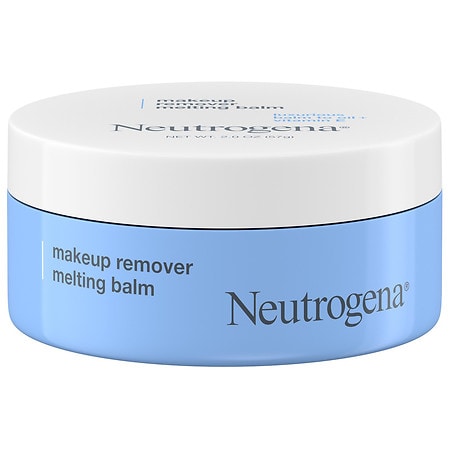

Neutrogena Makeup Remover Melting Balm with Vitamin E for Eyes, Lips or Face Makeup - 2.0oz
Summary
This makeup remover contains a mix of natural oils like coconut and camellia seed oil, which are beneficial for the skin. However, it also includes synthetic ingredients such as PEG compounds and paraffin, which are associated with moderate processing and potential skin irritation. The presence of these synthetic components alongside natural oils results in a balanced but not exceptional ingredient profile.
At a glance
Key ingredients 16
Isopropyl PalmitateNeutral
Isopropyl Palmitate is an ester of isopropyl alcohol and palmitic acid, commonly used as an emollient. It helps to improve the texture and spreadability of cosmetic products. It is generally considered safe for use in cosmetics.
Risks
May cause skin irritation in sensitive individuals.
Benefits
Provides a smooth application and enhances the moisturizing properties of the product.
Caprylic/Capric TriglycerideGood
Caprylic/Capric Triglyceride is derived from coconut oil and glycerin, known for its excellent emollient properties. It helps to replenish the skin's surface and resist moisture loss. It is widely used in cosmetics for its skin-conditioning benefits.
Risks
Generally considered safe with low risk of irritation.
Benefits
Enhances skin hydration and provides a lightweight, non-greasy feel.
ParaffinNeutral
Paraffin is a mineral oil derivative used in cosmetics for its emollient properties. It forms a protective barrier on the skin to prevent moisture loss. It is generally considered safe for use in cosmetics.
Risks
May cause skin irritation or acne in some individuals.
Benefits
Helps to lock in moisture and protect the skin from environmental factors.
PEG-20 Glyceryl TriisostearateNeutral
PEG-20 Glyceryl Triisostearate is an emulsifying agent that helps to blend oil and water-based ingredients. It is commonly used in cosmetics to improve texture and stability. It is generally considered safe for use in cosmetics.
Risks
Potential for skin irritation, especially in sensitive individuals.
Benefits
Improves product consistency and enhances the spreadability of formulations.
Heptyl UndecylenateNeutral
Heptyl Undecylenate is an ester used as an emollient and skin-conditioning agent. It provides a silky feel and enhances the texture of cosmetic products. It is considered safe for use in cosmetics.
Risks
Low risk of skin irritation.
Benefits
Contributes to a smooth, non-greasy finish in formulations.
Sorbeth-30 TetraoleateNeutral
Sorbeth-30 Tetraoleate is a surfactant and emulsifier used to stabilize formulations. It helps to mix oil and water components in cosmetics. It is generally considered safe for use in cosmetics.
Risks
May cause mild irritation in sensitive skin.
Benefits
Improves product stability and texture.
Neopentyl Glycol DiheptanoateNeutral
Neopentyl Glycol Diheptanoate is an emollient that provides a silky, smooth feel to cosmetic products. It is used to enhance the texture and spreadability of formulations. It is considered safe for use in cosmetics.
Risks
Low risk of skin irritation.
Benefits
Improves the sensory attributes of cosmetic products.
PEG-7 Glyceryl CocoateNeutral
PEG-7 Glyceryl Cocoate is an emulsifier and surfactant derived from coconut oil. It helps to blend oil and water components in formulations. It is generally considered safe for use in cosmetics.
Risks
Potential for skin irritation, especially in sensitive individuals.
Benefits
Enhances product texture and provides mild cleansing properties.
IsododecaneNeutral
Isododecane is a hydrocarbon used as a solvent and emollient in cosmetics. It provides a lightweight, non-greasy feel and helps to improve the spreadability of products. It is considered safe for use in cosmetics.
Risks
Low risk of skin irritation.
Benefits
Contributes to a smooth application and quick-drying finish.
Microcrystalline WaxNeutral
Microcrystalline Wax is a refined wax used to thicken and stabilize cosmetic formulations. It provides structure and enhances the texture of products. It is generally considered safe for use in cosmetics.
Risks
May cause skin irritation in sensitive individuals.
Benefits
Improves product stability and provides a smooth texture.
Copernicia Cerifera (Carnauba) WaxGood
Carnauba Wax is a natural wax derived from the leaves of the carnauba palm. It is used to thicken and stabilize formulations, providing a glossy finish. It is considered safe and beneficial in cosmetics.
Risks
Generally considered safe with low risk of irritation.
Benefits
Provides a natural, glossy finish and enhances product stability.
Camellia Oleifera Seed OilVery Good
Camellia Oleifera Seed Oil is a natural oil rich in antioxidants and fatty acids. It is known for its moisturizing and skin-conditioning properties. It is highly regarded in cosmetics for its nourishing benefits.
Risks
Generally considered safe with low risk of irritation.
Benefits
Deeply moisturizes and nourishes the skin, providing antioxidant protection.
Glycine Soja (Soybean) OilGood
Soybean Oil is a natural oil rich in essential fatty acids and vitamins. It is used in cosmetics for its moisturizing and skin-conditioning properties. It is considered safe and beneficial for skin health.
Risks
Generally considered safe with low risk of irritation.
Benefits
Moisturizes and nourishes the skin, providing essential nutrients.
Oryza Sativa (Rice) Bran OilVery Good
Rice Bran Oil is a natural oil rich in antioxidants, vitamins, and fatty acids. It is known for its moisturizing and anti-aging properties. It is highly valued in cosmetics for its skin-nourishing benefits.
Risks
Generally considered safe with low risk of irritation.
Benefits
Provides deep hydration and antioxidant protection, promoting healthy skin.
TocopherolVery Good
Tocopherol, also known as Vitamin E, is a powerful antioxidant used in cosmetics. It helps to protect the skin from oxidative stress and environmental damage. It is widely recognized for its skin-conditioning and anti-aging benefits.
Risks
Generally considered safe with low risk of irritation.
Benefits
Protects the skin from free radicals and supports skin health.
Cocos Nucifera (Coconut) OilVery Good
Coconut Oil is a natural oil known for its moisturizing and skin-conditioning properties. It is rich in fatty acids and provides deep hydration to the skin. It is highly valued in cosmetics for its nourishing benefits.
Risks
May cause acne in some individuals with oily or acne-prone skin.
Benefits
Deeply moisturizes and nourishes the skin, providing a protective barrier.
Processing
Processed Foods
Get the full breakdown in the Scout app
Scan any product to see lab results, healthy alternatives, and your personalized analysis.
Download on theApp Store