
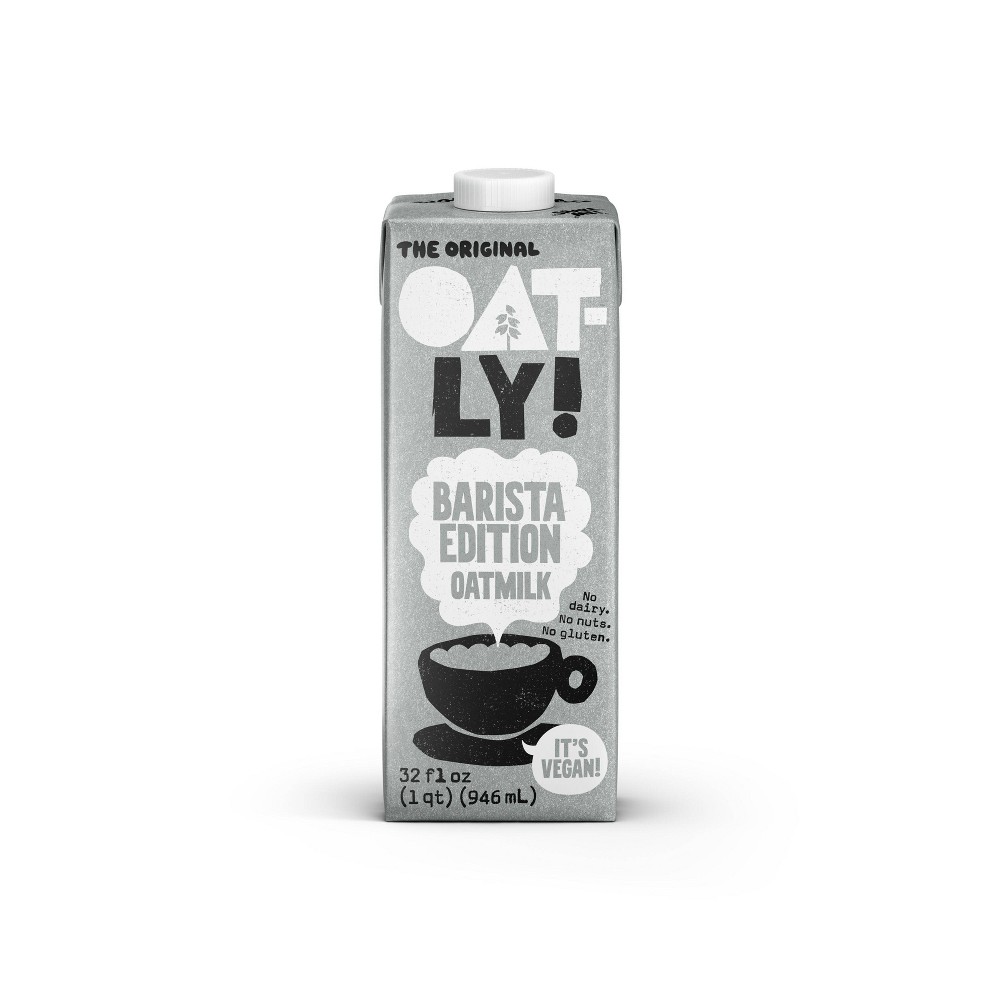


Oatly Oatmilk Barista Edition Non-Dairy Milk - 32 fl oz
Summary
This oat milk is a processed beverage that includes low erucic acid rapeseed oil, which is a seed oil known for its high omega-6 content and potential inflammatory effects. The presence of this oil, along with the processing level, limits the product's health score. Despite being a plant-based milk alternative, the inclusion of a seed oil and the processing involved prevent it from achieving a higher rating.
At a glance
Key ingredients 6
WaterNeutral
Water is a neutral ingredient that serves as a base for the beverage. It does not contribute any significant nutritional value or health risks. It is essential for hydration but does not impact the nutritional profile of the product.
See more about Water →OatsNeutral
Oats are a source of carbohydrates and provide some fiber and protein. They are minimally processed in this context, contributing to the texture and nutritional profile of the milk. However, the processing into oat milk may reduce some of the whole grain benefits.
Benefits
Oats provide dietary fiber which can support digestive health.
Low Erucic Acid Rapeseed OilVery Bad
Low erucic acid rapeseed oil, commonly known as canola oil, is a seed oil high in omega-6 fatty acids. The processing methods often involve high heat and chemicals, which can degrade nutritional quality. Its high omega-6 content may contribute to inflammation when consumed in excess.
Risks
High omega-6 content may promote inflammation when consumed in excess.
Dipotassium PhosphateNeutral
Dipotassium phosphate is used as an emulsifier and stabilizer in food products. It helps maintain the texture and consistency of the oat milk. It is generally recognized as safe but does not provide nutritional benefits.
Calcium CarbonateNeutral
Calcium carbonate is added to fortify the oat milk with calcium, an essential mineral for bone health. It is a common fortification agent in non-dairy milks. While beneficial for calcium intake, it does not naturally occur in oats.
Risks
Excessive intake may lead to hypercalcemia, but this is unlikely from typical consumption.
Benefits
Provides a source of calcium, supporting bone health.
Tricalcium PhosphateNeutral
Tricalcium phosphate is another calcium fortification agent used in non-dairy milks. It helps increase the calcium content of the product. It is safe for consumption and supports dietary calcium intake.
Benefits
Contributes to calcium intake, supporting bone health.
Processing
Processed Foods
Get the full breakdown in the Scout app
Scan any product to see lab results, healthy alternatives, and your personalized analysis.
Download on theApp Store