



At a glance
Summary
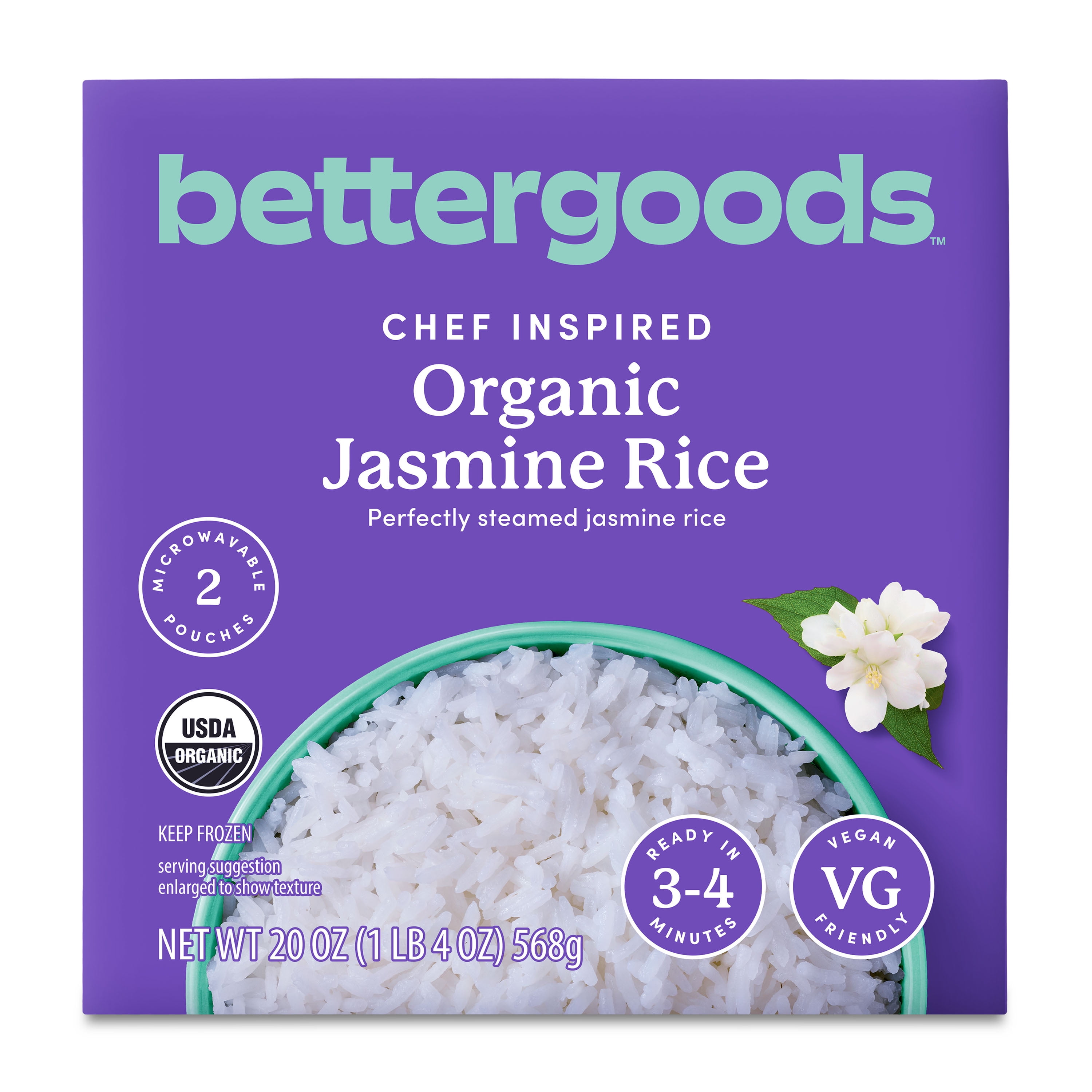
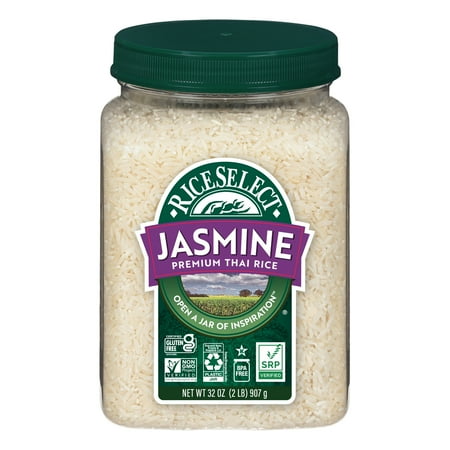
This product contains jasmine rice, which is a beneficial whole food ingredient, but it also includes sunflower oil and soy lecithin. Sunflower oil is a seed oil high in omega-6 fatty acids, which can contribute to inflammation, and soy lecithin is a processed emulsifier. The presence of these processed ingredients and the overall processing level limit the product's healthiness.
Key ingredients 4
Jasmine RiceGood
Jasmine rice is a whole food that provides carbohydrates and some protein. It is a staple grain that is minimally processed and retains its natural nutrients. Organic certification indicates it is free from synthetic pesticides and fertilizers.
Benefits
Provides a source of energy through carbohydrates and contains small amounts of protein and fiber.
WaterNeutral
Water is a neutral ingredient used as a solvent or carrier in food products. It does not contribute any calories or nutrients. Its presence is essential for cooking and processing but does not impact the nutritional profile.
See more about Water →Soy LecithinBad
Soy lecithin is an emulsifier derived from soybeans, often used to improve texture and shelf life. It is a processed ingredient that may contain trace amounts of allergens. While it is not as harmful as seed oils, it is still considered a processed additive.
Risks
May contain trace amounts of soy allergens, which can be a concern for those with soy allergies.
Sunflower OilVery Bad
Sunflower oil is a seed oil high in omega-6 fatty acids, which can promote inflammation if consumed in excess. It is often extracted using high heat and chemicals, which can degrade its nutritional quality. Its high omega-6 content is a concern for those seeking to balance their fatty acid intake.
Risks
High omega-6 content may promote inflammation when consumed in excess.
Processing
Processed Foods
Get the full breakdown in the Scout appTake Scout shopping
Scan any product to see lab results, healthy alternatives, and your personalized analysis.
Download on theApp Store GET IT ONGoogle Play