
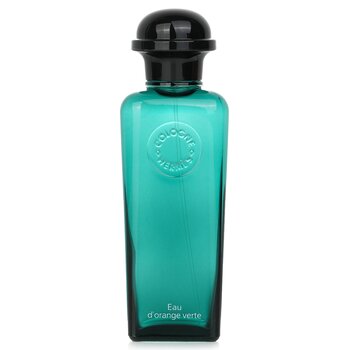



HERMES Eau d'Orange Verte Eau de Cologne Spray, 3.3 oz.
Summary
This fragrance product contains synthetic fragrance/parfum, which can be a concern due to potential skin irritation and allergenic properties. While it is minimally processed, the presence of synthetic components affects its overall safety profile. The lack of natural oils or botanicals further limits its score in terms of ingredient quality.
At a glance
Key ingredients 16
Bitter Orange
Bitter Orange is often used in fragrances for its fresh and uplifting scent. It is derived from the peel of the fruit and is considered a natural ingredient. It is generally well-tolerated in cosmetic formulations.
Risks
There is a potential risk of skin irritation or photosensitivity, especially in sensitive individuals.
Benefits
Bitter Orange provides a refreshing and invigorating aroma, enhancing the sensory experience of the product.
Peppermint
Peppermint is included for its cooling and refreshing scent, commonly used in personal care products. It is derived from the leaves of the peppermint plant. Its natural origin makes it a popular choice in formulations.
Risks
Peppermint can cause skin irritation or allergic reactions in some individuals, particularly those with sensitive skin.
Benefits
Peppermint offers a revitalizing and cooling effect, which can be soothing and pleasant in fragrance products.
Mandarin
Mandarin is used for its sweet and citrusy fragrance, adding a bright note to the scent profile. It is extracted from the peel of the mandarin fruit. Its natural and pleasant aroma is favored in many cosmetic products.
Risks
Mandarin oil can increase photosensitivity, leading to a higher risk of sunburn if applied to the skin and exposed to sunlight.
Benefits
Mandarin provides a cheerful and uplifting scent, contributing to the overall appeal of the fragrance.
Neroli
Neroli is valued for its sweet, floral aroma, often used in high-end perfumes. It is extracted from the blossoms of the bitter orange tree. Its luxurious scent profile makes it a desirable component in fragrances.
Risks
Neroli may cause allergic reactions or skin irritation in sensitive individuals.
Benefits
Neroli offers a calming and soothing fragrance, enhancing the complexity and richness of the scent.
Oakmoss
Oakmoss is used for its earthy and woody scent, providing depth to fragrance compositions. It is derived from lichen and is a traditional ingredient in perfumery. Its unique aroma is highly valued in creating complex scent profiles.
Risks
Oakmoss can cause skin sensitization and allergic reactions, leading to restrictions in its use in cosmetics.
Benefits
Oakmoss adds a rich and grounding note to fragrances, enhancing their longevity and character.
Patchouli
Patchouli is included for its musky and earthy scent, commonly used in perfumes and colognes. It is derived from the leaves of the patchouli plant. Its distinctive aroma is a staple in many fragrance formulations.
Risks
Patchouli can cause skin irritation or allergic reactions in some individuals.
Benefits
Patchouli provides a long-lasting and robust scent, adding depth and warmth to the fragrance.
Honeysuckle
Honeysuckle is used for its sweet and floral fragrance, contributing to the overall scent profile. It is derived from the flowers of the honeysuckle plant. Its natural and pleasant aroma is appreciated in many cosmetic products.
Risks
Honeysuckle may cause allergic reactions or skin irritation in sensitive individuals.
Benefits
Honeysuckle offers a delicate and sweet scent, enhancing the floral notes of the fragrance.
Lily Of The Valley
Lily Of The Valley is included for its fresh and floral scent, often used in perfumes. It is derived from the flowers of the plant and is known for its delicate aroma. Its inclusion adds a classic floral note to the fragrance.
Risks
Lily Of The Valley can cause skin irritation or allergic reactions in some individuals.
Benefits
Lily Of The Valley provides a light and refreshing scent, enhancing the fragrance's floral bouquet.
Mango
Mango is used for its sweet and fruity aroma, adding a tropical note to the fragrance. It is derived from the fruit of the mango tree. Its natural and exotic scent is favored in many fragrance compositions.
Risks
Mango can cause skin irritation or allergic reactions in sensitive individuals.
Benefits
Mango offers a juicy and vibrant scent, contributing to the fragrance's overall appeal.
Orange
Orange is included for its fresh and citrusy scent, commonly used in perfumes and colognes. It is derived from the peel of the orange fruit. Its bright and uplifting aroma is a popular choice in fragrance formulations.
Risks
Orange oil can increase photosensitivity, leading to a higher risk of sunburn if applied to the skin and exposed to sunlight.
Benefits
Orange provides a refreshing and invigorating scent, enhancing the sensory experience of the product.
Petitgrain
Petitgrain is used for its fresh and woody scent, often included in perfumes. It is derived from the leaves and twigs of the bitter orange tree. Its unique aroma adds complexity to fragrance compositions.
Risks
Petitgrain can cause skin irritation or allergic reactions in some individuals.
Benefits
Petitgrain offers a crisp and clean scent, enhancing the fragrance's overall freshness.
Pineapple
Pineapple is included for its sweet and tropical aroma, adding a fruity note to the fragrance. It is derived from the fruit of the pineapple plant. Its exotic scent is appreciated in many fragrance products.
Risks
Pineapple can cause skin irritation or allergic reactions in sensitive individuals.
Benefits
Pineapple provides a juicy and vibrant scent, contributing to the fragrance's overall appeal.
Amalfi Lemon
Amalfi Lemon is used for its fresh and zesty scent, commonly included in perfumes. It is derived from the peel of the lemon fruit. Its bright and citrusy aroma is a popular choice in fragrance formulations.
Risks
Amalfi Lemon oil can increase photosensitivity, leading to a higher risk of sunburn if applied to the skin and exposed to sunlight.
Benefits
Amalfi Lemon offers a refreshing and invigorating scent, enhancing the sensory experience of the product.
Mint
Mint is included for its cooling and refreshing scent, commonly used in personal care products. It is derived from the leaves of the mint plant. Its natural origin makes it a popular choice in formulations.
Risks
Mint can cause skin irritation or allergic reactions in some individuals, particularly those with sensitive skin.
Benefits
Mint offers a revitalizing and cooling effect, which can be soothing and pleasant in fragrance products.
Cassis
Cassis is used for its sweet and fruity aroma, adding a berry note to the fragrance. It is derived from the blackcurrant fruit. Its unique scent is appreciated in many fragrance compositions.
Risks
Cassis can cause skin irritation or allergic reactions in sensitive individuals.
Benefits
Cassis provides a rich and fruity scent, enhancing the fragrance's overall complexity.
Blackcurrant bud
Blackcurrant bud is included for its green and fruity aroma, often used in perfumes. It is derived from the buds of the blackcurrant plant. Its distinctive scent adds depth to fragrance compositions.
Risks
Blackcurrant bud can cause skin irritation or allergic reactions in some individuals.
Benefits
Blackcurrant bud offers a fresh and vibrant scent, enhancing the fragrance's overall appeal.
Processing
Unprocessed or Minimally Processed Foods
Get the full breakdown in the Scout app
Scan any product to see lab results, healthy alternatives, and your personalized analysis.
Download on theApp Store