

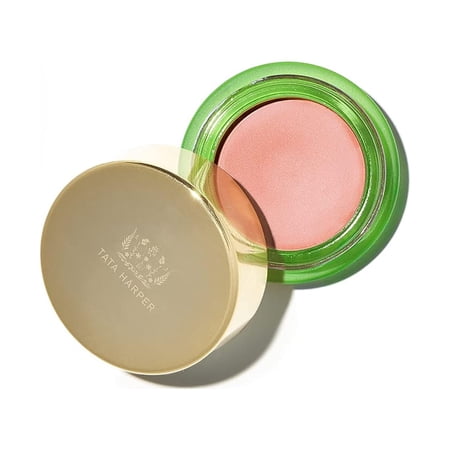


Sisley Paris Le Phyto-Blush Powder Blush in 2 Rosy Fushia at Nordstrom
Summary
This blush contains a mix of natural and synthetic ingredients. While it includes some beneficial botanicals, it also contains synthetic fragrance, which can be a skin irritant and is generally discouraged in clean beauty products. The processing level indicates a moderate degree of formulation complexity, which affects the overall score.
At a glance
Key ingredients 12
Mica
Mica is a mineral used to add shimmer and shine to cosmetics. It is generally considered safe for use in makeup products. However, concerns about ethical sourcing and potential contamination with heavy metals exist.
Risks
Potential contamination with heavy metals and ethical sourcing issues.
Benefits
Provides a natural shimmer and is generally safe for cosmetic use.
Talc
Talc is used in cosmetics for its ability to absorb moisture and provide a smooth finish. However, it has been controversial due to potential asbestos contamination. The FDA monitors talc products to ensure safety.
Risks
Potential asbestos contamination and respiratory issues if inhaled.
Benefits
Absorbs moisture and provides a smooth texture.
Silica
Silica is used in cosmetics to improve texture and absorb oil. It is generally considered safe, but inhalation of fine particles can pose health risks. It helps in achieving a matte finish in makeup products.
Risks
Inhalation of fine particles can pose respiratory risks.
Benefits
Improves texture and absorbs oil, providing a matte finish.
Magnesium Stearate
Magnesium Stearate is used as a binding agent in cosmetics. It helps improve the texture and spreadability of products. It is generally considered safe for topical use.
Risks
May cause skin irritation in sensitive individuals.
Benefits
Improves texture and spreadability of cosmetic products.
Boron Nitride
Boron Nitride is used in cosmetics for its lubricating properties and ability to provide a soft-focus effect. It is considered safe for use in cosmetics. It enhances the application and wear of makeup products.
Risks
Minimal risks, though some individuals may experience mild irritation.
Benefits
Provides a soft-focus effect and enhances application.
Camellia Oleifera Seed Oil
Camellia Oleifera Seed Oil is a natural oil known for its moisturizing properties. It is rich in antioxidants and beneficial for skin health. It is considered a positive ingredient in cosmetics.
Risks
Generally safe, but may cause allergic reactions in sensitive individuals.
Benefits
Moisturizes and provides antioxidant benefits to the skin.
Butyrospermum Parkii Butter
Butyrospermum Parkii Butter, also known as Shea Butter, is a natural fat extracted from the nuts of the shea tree. It is highly moisturizing and contains vitamins A and E. It is widely used in cosmetics for its skin-nourishing properties.
Risks
Generally safe, but may cause allergic reactions in individuals with nut allergies.
Benefits
Highly moisturizing and nourishing for the skin.
Tocopherol
Tocopherol, or Vitamin E, is an antioxidant that helps protect the skin from damage. It is commonly used in cosmetics for its skin-conditioning properties. It is considered a beneficial ingredient in skincare and makeup products.
Risks
Generally safe, but high concentrations may cause skin irritation.
Benefits
Protects the skin from damage and conditions the skin.
Phenoxyethanol
Phenoxyethanol is a preservative used in cosmetics to prevent microbial growth. It is considered a safer alternative to parabens. However, it can cause skin irritation in some individuals.
Risks
May cause skin irritation and allergic reactions in sensitive individuals.
Benefits
Prevents microbial growth, extending the shelf life of products.
Ethylhexylglycerin
Ethylhexylglycerin is used as a preservative and skin-conditioning agent in cosmetics. It enhances the efficacy of other preservatives and is generally considered safe. It also provides mild moisturizing benefits.
Risks
May cause mild skin irritation in sensitive individuals.
Benefits
Enhances preservative efficacy and provides mild moisturizing benefits.
Fragrance
Fragrance is added to cosmetics to provide a pleasant scent. However, it is a common cause of allergic reactions and skin irritation. It is considered a negative ingredient due to potential sensitization.
Risks
High risk of allergic reactions and skin irritation.
Benefits
Provides a pleasant scent to cosmetic products.
CI 77491, CI 77492, CI 77499, CI 16035, CI 15850, CI 42090
These are color additives used to provide pigmentation in cosmetics. They are approved for use in cosmetics but must meet specific purity standards. They are essential for achieving the desired color in makeup products.
Risks
Potential for allergic reactions and irritation in sensitive individuals.
Benefits
Provide vibrant and varied pigmentation in cosmetic products.
Processing
Processed Foods
Get the full breakdown in the Scout app
Scan any product to see lab results, healthy alternatives, and your personalized analysis.
Download on theApp Store