

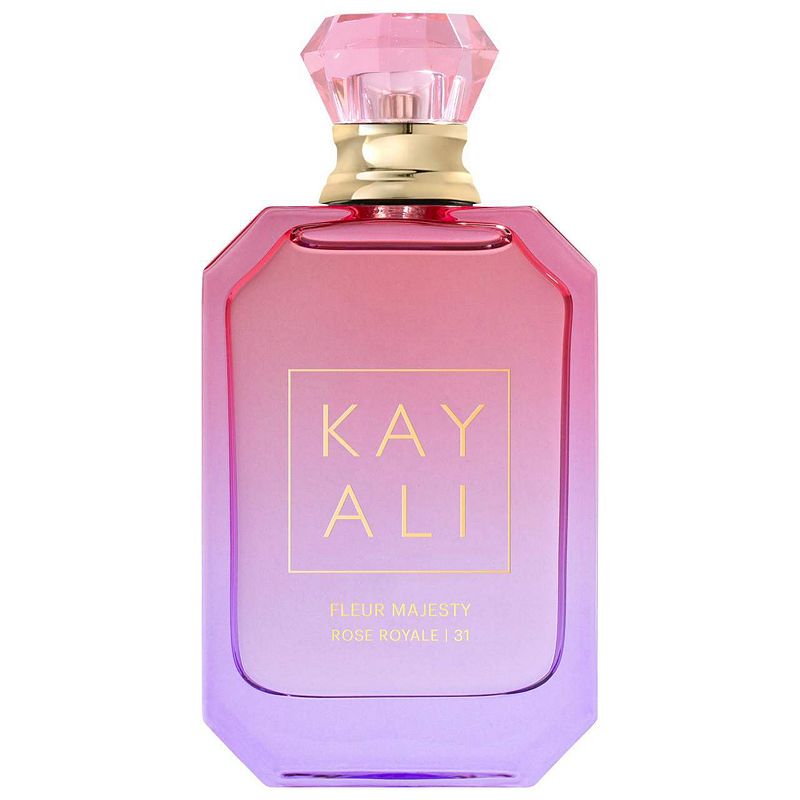


Ex Nihilo Fleur Narcotique Eau de Parfum 3.4 oz.
Summary
This fragrance product is minimally processed, with a focus on high-quality aromatic compounds. The ingredients are primarily natural and do not include harmful additives or synthetic dyes, contributing to its favorable rating. The product's clean label and absence of controversial chemicals enhance its safety profile.
At a glance
Key ingredients 13
BergamotNeutral
Bergamot is a citrus fruit known for its aromatic properties rather than nutritional benefits. It is primarily used for its fragrance in perfumery and has minimal direct health impacts. The extraction process typically involves cold pressing the peel, which retains its natural essence.
See more about Bergamot →LycheeNeutral
Lychee is a tropical fruit often used for its sweet fragrance in perfumery. It is not consumed in this context, so its nutritional benefits are not applicable. The fruit is typically processed to extract its aromatic compounds.
PeachNeutral
Peach is used for its sweet and floral scent in fragrance products. It is not consumed in this form, so its health impacts are minimal. The scent is usually extracted from the fruit or synthesized to mimic its aroma.
JasmineNeutral
Jasmine is a flower known for its strong, sweet fragrance, commonly used in perfumes. It does not provide nutritional benefits in this context. The essential oil is typically extracted through solvent extraction or enfleurage.
See more about Jasmine →PeonyNeutral
Peony is valued for its delicate floral scent in perfumery rather than nutritional properties. It is not consumed, so its health impacts are negligible. The fragrance is usually extracted from the petals.
Orange BlossomNeutral
Orange Blossom is used for its sweet, floral aroma in perfumes. It is not ingested, so it does not provide nutritional benefits. The scent is typically extracted through steam distillation.
FreesiaNeutral
Freesia is appreciated for its fresh, floral fragrance in perfumery. It is not consumed, so it has no direct health benefits. The fragrance is usually extracted from the flowers.
MuskNeutral
Musk is a common fragrance base in perfumery, known for its deep, animalistic scent. It is not consumed, so it does not have nutritional impacts. Modern musk is often synthesized to avoid animal sources.
MossNeutral
Moss is used for its earthy, woody scent in perfumes. It is not ingested, so it does not provide nutritional benefits. The scent is typically extracted from the plant material.
SandalwoodNeutral
Sandalwood is valued for its rich, woody fragrance in perfumery. It is not consumed, so it does not offer nutritional benefits. The essential oil is usually extracted through steam distillation.
OsmanthusNeutral
Osmanthus is used for its sweet, apricot-like fragrance in perfumes. It is not ingested, so it does not have nutritional impacts. The fragrance is typically extracted from the flowers.
SaffronNeutral
Saffron is used for its unique, warm fragrance in perfumery. It is not consumed in this form, so its nutritional benefits are not applicable. The scent is usually extracted from the stigmas of the flower.
Japanese Plum BlossomNeutral
Japanese Plum Blossom is appreciated for its delicate, floral scent in perfumes. It is not consumed, so it does not provide nutritional benefits. The fragrance is typically extracted from the blossoms.
Processing
Unprocessed or Minimally Processed Foods
Get the full breakdown in the Scout app
Scan any product to see lab results, healthy alternatives, and your personalized analysis.
Download on theApp Store