



At a glance
Summary
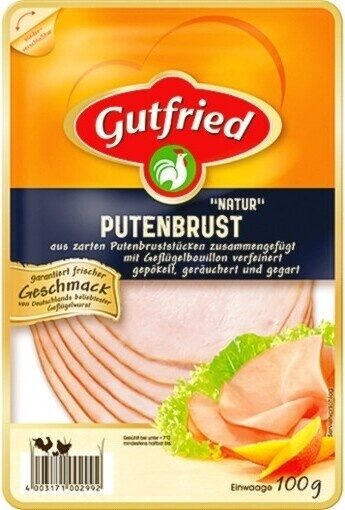
This turkey breast product is ultra-processed, which limits its potential health score. While it contains a high percentage of turkey breast meat, providing lean protein, it also includes additives like sodium nitrite and triphosphate, which are associated with potential health risks. The presence of these additives and the level of processing impact the overall healthiness of the product.
Key ingredients 8
Turkey breast meatGood
Turkey breast meat is a high-quality source of lean protein. It provides essential amino acids necessary for muscle repair and growth. As a minimally processed meat, it retains most of its natural nutrients.
Benefits
Rich in protein and low in fat, supporting muscle maintenance and overall health.
Poultry bouillonNeutral
Poultry bouillon is used to enhance flavor and moisture in the product. It is made from a combination of water and poultry meat. While it adds taste, it does not significantly contribute to nutritional value.
Risks
May contain added sodium, which can be a concern for individuals monitoring salt intake.
Benefits
Provides flavor enhancement without significant nutritional benefits.
Table saltNeutral
Table salt is used as a seasoning and preservative. It is essential for maintaining fluid balance and nerve function. However, excessive consumption can lead to health issues such as hypertension.
Risks
High sodium intake can increase the risk of high blood pressure and cardiovascular diseases.
Benefits
Essential for electrolyte balance and proper muscle function.
Sodium ascorbateNeutral
Sodium ascorbate is an antioxidant that helps preserve the color and freshness of the product. It is a form of vitamin C, which is essential for immune function. However, its presence in processed foods is primarily for preservation rather than nutritional benefit.
Benefits
Acts as an antioxidant and can contribute to vitamin C intake.
Beechwood smokeNeutral
Beechwood smoke is used to impart a smoky flavor to the product. It is a natural method of flavoring that does not add significant nutritional value. The smoking process can introduce some antioxidants but also potential carcinogens.
Risks
May contain polycyclic aromatic hydrocarbons (PAHs), which are potential carcinogens.
Benefits
Adds a distinctive smoky flavor to the product.
DextroseBad
Refined added sugar.
Risks
Excessive consumption can lead to increased blood sugar levels and potential weight gain.
Benefits
Provides a quick source of energy.
TriphosphateBad
Triphosphate is used as a stabilizer to retain moisture and improve texture. It is a synthetic additive that can affect mineral absorption. Overconsumption may lead to imbalances in calcium and phosphorus levels.
Risks
May interfere with calcium absorption and contribute to bone health issues if consumed in large amounts.
Benefits
Helps maintain product texture and moisture.
Sodium nitriteVery Bad
Sodium nitrite is used as a preservative and color fixative in processed meats. It can form nitrosamines, which are potential carcinogens, especially when meats are cooked at high temperatures. Its use is controversial due to potential health risks.
Risks
Associated with an increased risk of cancer due to the formation of nitrosamines.
Benefits
Helps preserve meat and prevent bacterial growth.
Processing
Ultra-Processed Foods
Get the full breakdown in the Scout appTake Scout shopping
Scan any product to see lab results, healthy alternatives, and your personalized analysis.
Download on theApp Store GET IT ONGoogle Play