
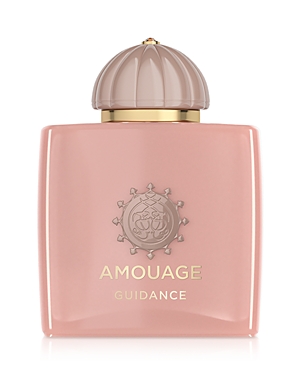


Amouage Guidance Eau de Parfum 3.4 oz.
Summary
This perfume is considered ultra-processed due to its complex formulation and synthetic fragrance components. While it does not contain harmful ingredients like parabens or formaldehyde releasers, the presence of synthetic fragrance can be a concern for those sensitive to such compounds. The processing level and use of synthetic ingredients limit its score despite the absence of major harmful substances.
At a glance
Key ingredients 5
Alcohol Denat
Alcohol Denat is commonly used as a solvent in perfumes and cosmetics to help dissolve other ingredients and enhance the product's texture. It evaporates quickly, leaving no residue, which is beneficial for fragrance longevity. However, it can be drying to the skin, especially in high concentrations.
Risks
Potential risks include skin dryness and irritation, particularly for sensitive skin types.
Benefits
It helps in the quick evaporation of the product, enhancing the fragrance experience.
Parfum
Parfum is a term used to denote fragrance in cosmetic products, which can be a mixture of various aromatic compounds. It is used to provide a pleasant scent to the product. However, it is often associated with allergic reactions and sensitivities.
Risks
The primary risk is skin irritation or allergic reactions, especially for those with fragrance sensitivities.
Benefits
Provides a pleasant and desirable scent to the product.
Aqua
Aqua, or water, is used as a solvent in many cosmetic products to dissolve other ingredients and provide a base for the formulation. It is essential for the consistency and application of the product. It is generally considered safe and non-irritating.
Risks
There are minimal risks associated with water itself, but it can be a medium for microbial growth if not properly preserved.
Benefits
Acts as a solvent and helps in the even distribution of other ingredients.
Limonene
Limonene is a naturally occurring compound found in the peels of citrus fruits, used for its pleasant citrus scent. It is often added to enhance the fragrance profile of a product. However, it can oxidize and become a skin sensitizer.
Risks
Potential risks include skin irritation and sensitization, especially when oxidized.
Benefits
Provides a fresh, citrus scent and can have mild antibacterial properties.
Linalool
Linalool is a naturally occurring terpene alcohol found in many flowers and spice plants, used for its pleasant floral scent. It is commonly used in perfumes and cosmetics to enhance fragrance. However, it can cause allergic reactions in some individuals.
Risks
The main risk is skin irritation or allergic reactions, particularly in sensitive individuals.
Benefits
Contributes a floral scent and may have calming properties.
Processing
Ultra-Processed Foods
Get the full breakdown in the Scout app
Scan any product to see lab results, healthy alternatives, and your personalized analysis.
Download on theApp Store