
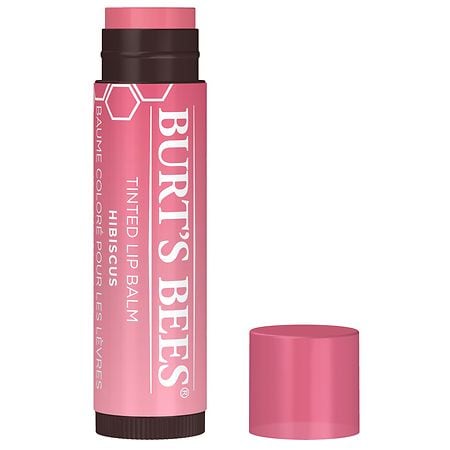

Tinted Lip Balm - Hibiscus
Summary
The Tinted Lip Balm - Hibiscus contains a mix of natural and synthetic ingredients, which places it in a moderate processing category. While it includes beneficial natural oils and butters that provide hydration and nourishment, the presence of synthetic dyes or fragrances can be concerning for sensitive skin. The ingredient list is not excessively long, but the inclusion of processed components limits its score.
At a glance
Key ingredients 17
Cocos Nucifera (Coconut) Oil
Coconut oil is a natural emollient that helps to moisturize and soften the skin. It is rich in fatty acids that can penetrate the skin for deep hydration. Additionally, it has mild antibacterial properties.
Risks
Some individuals may experience allergic reactions or clogged pores.
Benefits
It provides excellent moisturizing benefits and can help improve skin barrier function.
Olus Oil (Vegetable Oil)
Olus oil is a blend of various vegetable oils that acts as an emollient. It helps to soften and smooth the skin. It is generally considered safe and non-irritating.
Risks
There is a low risk of allergic reactions depending on the specific oils used.
Benefits
It is a natural source of hydration and helps maintain skin elasticity.
Cera Alba (Beeswax)
Beeswax is a natural wax produced by honeybees and is used as a thickening agent and emollient. It forms a protective barrier on the skin's surface. It is also known for its anti-inflammatory properties.
Risks
Rarely, it can cause allergic reactions in sensitive individuals.
Benefits
It locks in moisture and provides a protective barrier against environmental irritants.
Olea Europaea (Olive) Fruit Oil
Olive oil is rich in antioxidants and healthy fats, making it an excellent moisturizer. It helps to nourish and hydrate the skin. It also contains vitamin E, which is beneficial for skin health.
Risks
It may cause clogged pores in some individuals with acne-prone skin.
Benefits
It provides deep hydration and has anti-inflammatory properties.
Candelilla Cera (Euphorbia Cerifera Wax)
Candelilla wax is a plant-based wax used as a thickening agent and emollient. It is a vegan alternative to beeswax. It helps to create a smooth texture in cosmetic formulations.
Risks
There are minimal risks associated with its use, though it may cause irritation in rare cases.
Benefits
It provides a protective barrier and helps to lock in moisture.
Helianthus Annuus (Sunflower) Seed Oil
Sunflower seed oil is a non-comedogenic carrier oil that is rich in vitamin E. It helps to moisturize and soothe the skin. It is lightweight and easily absorbed.
Risks
There is a low risk of allergic reactions.
Benefits
It is beneficial for maintaining the skin's natural barrier and reducing inflammation.
Aroma (Flavor)
Aroma or flavor is added to enhance the sensory experience of the product. It can be derived from natural or synthetic sources. The specific composition is often proprietary.
Risks
Fragrances can cause allergic reactions or irritation in sensitive individuals.
Benefits
It improves the user experience by providing a pleasant scent or taste.
Lanolin
Lanolin is a natural substance derived from sheep's wool that acts as an emollient. It helps to moisturize and protect the skin. It is highly effective in preventing water loss.
Risks
It can cause allergic reactions in individuals sensitive to wool.
Benefits
It provides excellent moisturizing properties and helps repair dry, chapped skin.
Butyrospermum Parkii (Shea) Butter
Shea butter is a fat extracted from the nuts of the shea tree. It is known for its moisturizing and anti-inflammatory properties. It is rich in vitamins A and E.
Risks
There is a low risk of allergic reactions, particularly in individuals with nut allergies.
Benefits
It deeply moisturizes and soothes the skin, promoting healing.
Ricinus Communis (Castor) Seed Oil
Castor oil is a thick oil that provides a protective barrier on the skin. It is known for its moisturizing and anti-inflammatory properties. It is often used to enhance the texture of cosmetic products.
Risks
It may cause allergic reactions or irritation in some individuals.
Benefits
It helps to lock in moisture and soothe irritated skin.
Cananga Odorata Flower Wax
Ylang-ylang flower wax is used for its aromatic properties and as a thickening agent. It provides a pleasant scent and helps to stabilize the product's texture. It is derived from the flowers of the Cananga tree.
Risks
There is a potential for allergic reactions in sensitive individuals.
Benefits
It adds a natural fragrance and helps to improve the product's consistency.
Jasminum Officinale (Jasmine) Flower Wax
Jasmine flower wax is used for its fragrance and emollient properties. It provides a luxurious scent and helps to soften the skin. It is derived from jasmine flowers.
Risks
Allergic reactions are possible, though rare.
Benefits
It enhances the sensory experience and provides moisturizing benefits.
Ammonium Glycyrrhizate
Ammonium glycyrrhizate is a salt derived from licorice root. It is used for its anti-inflammatory and soothing properties. It helps to reduce redness and irritation.
Risks
There is a low risk of irritation or allergic reactions.
Benefits
It provides soothing benefits and helps to calm irritated skin.
Tocopherol
Tocopherol, or vitamin E, is a powerful antioxidant that helps to protect the skin from free radical damage. It also has moisturizing properties. It is commonly used to enhance the stability of cosmetic formulations.
Risks
There is a low risk of skin irritation or allergic reactions.
Benefits
It provides antioxidant protection and helps to maintain skin health.
Rosmarinus Officinalis (Rosemary) Leaf Extract
Rosemary leaf extract is used for its antioxidant and antimicrobial properties. It helps to protect the skin and extend the shelf life of the product. It is derived from rosemary leaves.
Risks
There is a low risk of allergic reactions.
Benefits
It provides antioxidant benefits and helps to preserve the product naturally.
Glycine Soja (Soybean) Oil
Soybean oil is a natural emollient that helps to moisturize and condition the skin. It is rich in essential fatty acids and vitamin E. It is commonly used in cosmetic formulations for its skin benefits.
Risks
There is a potential for allergic reactions in individuals with soy allergies.
Benefits
It provides moisturizing benefits and helps to improve skin texture.
Canola Oil
Canola oil is a vegetable oil used as an emollient in cosmetic products. It helps to moisturize and soften the skin. It is rich in omega-3 and omega-6 fatty acids.
Risks
There is a low risk of allergic reactions.
Benefits
It provides moisturizing benefits and helps to maintain skin health.
Processing
Processed Foods
Get the full breakdown in the Scout app
Scan any product to see lab results, healthy alternatives, and your personalized analysis.
Download on theApp Store