Ingredient
Canola Oil
What is Canola Oil?
Canola oil is a type of vegetable oil derived from the seeds of the canola plant, a cultivar of rapeseed. It is produced through a process that includes seed cleaning, cooking, pressing, solvent extraction, and refining. The refining process removes impurities and can alter the natural fatty acid profile.
Canola oil is commonly used in cooking and food processing due to its neutral flavor and high smoke point, making it versatile for frying and baking. It is marketed as heart-healthy because it is low in saturated fats and contains omega-3 fatty acids. However, some concerns exist regarding its omega-6 content, which might contribute to inflammation if not balanced with omega-3 intake.
When you see canola oil listed on a label, consider its role in the product's taste and shelf stability. It is usually chosen for being a cost-effective oil with a broad range of culinary applications.
Commonly found in: salad dressings, margarines, baked goods, frying oils, snack foods
What to watch
- Canola oil is high in omega-6 fatty acids, which can promote inflammation when consumed in excess.
- The refining process can involve high heat and chemical solvents, potentially impacting nutrient content.
Benefits
- Canola oil is low in saturated fats and contains omega-3 fatty acids, which are considered beneficial for heart health.
Canola oil is recognized as a Generally Recognized As Safe (GRAS) ingredient by the FDA for its intended use.
Research highlights both potential cardiovascular benefits due to its low saturated fat and concerns over omega-6 content and processing methods.
Canola oil is plant-derived and typically considered suitable for vegan diets.
Sources: Canola Oil Overview
Scout's take
Canola oil is a seed oil high in omega-6 fatty acids, which can promote inflammation when consumed in excess. It is often highly processed and refined, which can degrade its nutritional quality. The high omega-6 content is a concern for inflammatory health issues.
The case against
High omega-6 content may promote inflammation and contribute to chronic diseases when consumed in excess.
from the analysis of Wegmans Canola Oil Cooking Spray · echoed in 9 other analysesHigh omega-6 content may promote inflammation and imbalance omega-3 to omega-6 ratios in the diet.
from the analysis of Dan D pak Cashews · echoed in 1 other analysisHigh omega-6 content may promote inflammation when consumed in excess. The refining process can introduce harmful trans fats.
from the analysis of PAM Butter Cooking SprayHigh omega-6 content may promote inflammation and is associated with various health concerns.
from the analysis of Nature's Bakery BLUEBERRY REAL FRUIT & WHOLE GRAINS FIG BARHigh omega-6 content may promote inflammation and oxidative stress.
from the analysis of KIND ALMOND BUTTER WHOLE GRAIN CLUSTERSMore from Scout's analyses
Canola oil is a highly processed fat that may contain trans fats and omega-6 fatty acids, which can contribute to inflammation if consumed excessively.
from the analysis of Snyder's of Hanover OLDE TYME PRETZELSRefined seed oil high in pro-inflammatory omega-6 fatty acids. Industrially extracted using chemical solvents and deodorized at high temperatures. One of three interchangeable seed oils the manufacturer rotates based on cost.
from the analysis of Sensible Portions Garden Veggie Straws Sea SaltCanola oil is highly processed and often contains trans fats or unhealthy omega-6 fatty acids, which are linked to inflammation.
from the analysis of Snyder's of Hanover Mini PretzelsFound in 40 products








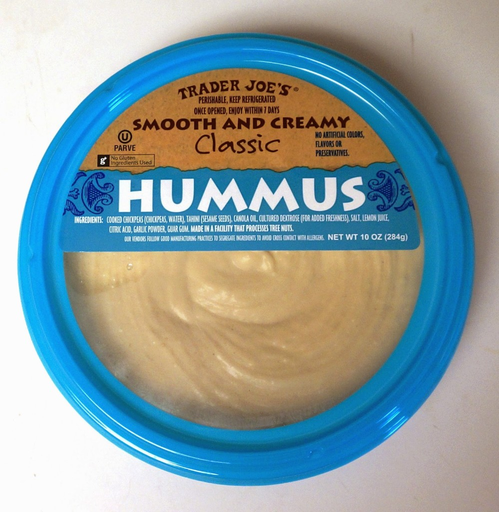
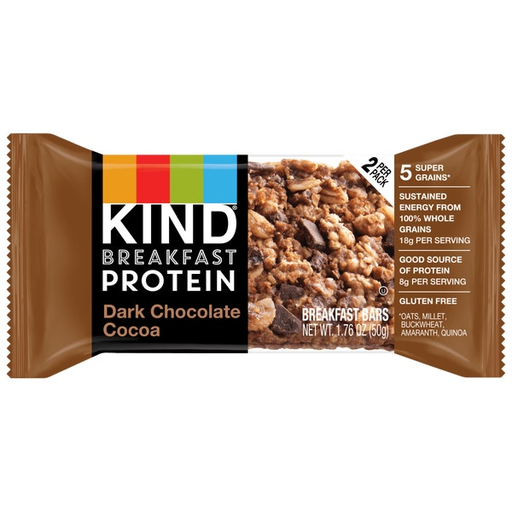

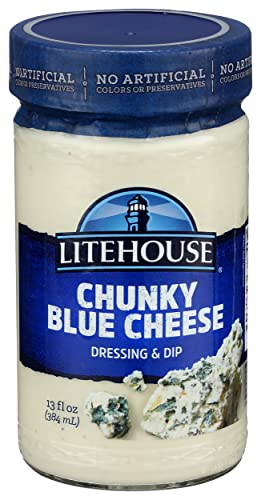
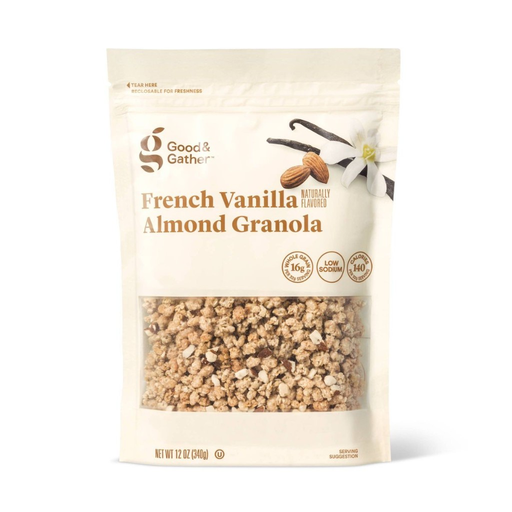




+ 16 more products in the Scout app
Scan any product to see every ingredient explained — and healthier swaps.
Download on theApp Store GET IT ONGoogle Play