
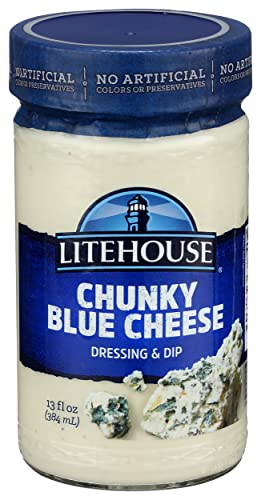


Litehouse, CHUNKY BLUE CHEESE DRESSING & DIP
At a glance
Summary
This product is heavily processed, containing canola oil, which is a seed oil high in omega-6 fatty acids that can promote inflammation. It also includes sugar and maltodextrin, both of which are refined carbohydrates that contribute to increased calorie intake and potential blood sugar spikes. Despite the presence of cultured buttermilk, which offers some probiotic benefits, the overall ingredient quality and processing level significantly impact its healthiness.
Key ingredients 14
Canola oilVery Bad
Canola oil is a seed oil high in omega-6 fatty acids, which can promote inflammation. It is often heavily processed and refined, which can degrade its nutritional quality. The high omega-6 content may contribute to an imbalance in the omega-3 to omega-6 ratio in the diet.
Risks
High omega-6 content may promote inflammation when consumed in excess.
SugarBad
Sugar is a refined carbohydrate that can contribute to increased calorie intake without providing essential nutrients. Excessive consumption is linked to various health issues, including obesity and diabetes. It is often added to enhance sweetness in processed foods.
Risks
Excessive sugar intake is associated with obesity, diabetes, and dental issues.
MaltodextrinBad
Maltodextrin is a highly processed carbohydrate used as a thickener and filler. It has a high glycemic index, which can cause spikes in blood sugar levels. It is often used in processed foods to improve texture and shelf life.
Risks
May cause rapid spikes in blood sugar levels, which can be problematic for individuals with insulin sensitivity.
Bleu cheeseNeutral
Bleu cheese is a dairy product that provides protein and calcium. It is made using cultures and enzymes, which can enhance flavor and texture. While it offers some nutritional benefits, it is also high in saturated fat and sodium.
Risks
High in saturated fat and sodium, which may be a concern for heart health if consumed in large amounts.
Benefits
Provides protein and calcium, important for bone health.
WaterNeutral
Water is a neutral ingredient used as a solvent and to adjust consistency. It does not contribute any significant nutritional value. Its presence is essential for achieving the desired texture in the product.
See more about Water →Egg yolkNeutral
Egg yolk is a source of lecithin, which acts as an emulsifier in dressings. It contains vitamins and minerals, but also cholesterol and saturated fat. The nutritional impact depends on the quantity used in the product.
Risks
Contains cholesterol and saturated fat, which may be a concern for heart health if consumed in large amounts.
Benefits
Provides vitamins and minerals, including vitamin D and choline.
SaltNeutral
Salt is used to enhance flavor and preserve the product. It is a common culinary ingredient but does not provide additional nutritional benefits. Excessive consumption can lead to health issues such as hypertension.
Risks
High sodium intake can contribute to hypertension and cardiovascular issues.
Distilled vinegarNeutral
Distilled vinegar is used for flavor and as a preservative. It is a low-calorie ingredient that can enhance the taste profile of foods. It does not provide significant nutritional benefits.
See more about Distilled vinegar →Cultured dextroseNeutral
Cultured dextrose is used as a natural preservative to inhibit spoilage. It is derived from fermentation and can help extend the shelf life of products. It does not provide significant nutritional benefits.
See more about Cultured dextrose →Dried garlicNeutral
Dried garlic is used for flavoring and has some antimicrobial properties. It is a natural ingredient that can enhance the taste of foods. While it offers some health benefits, the quantity used in processed foods is typically small.
Benefits
Contains compounds that may have antimicrobial and antioxidant properties.
Xanthan gumNeutral
Xanthan gum is a polysaccharide used as a thickening and stabilizing agent. It is derived from the fermentation of sugars and is commonly used in processed foods. It does not provide significant nutritional benefits.
Risks
May cause digestive issues in sensitive individuals when consumed in large amounts.
Carrageenan gumNeutral
Carrageenan gum is used as a thickener and stabilizer in food products. It is derived from red seaweed and is commonly used in dairy and non-dairy products. While it is generally recognized as safe, some studies suggest it may cause digestive issues.
Risks
May cause digestive issues in some individuals, particularly if consumed in large amounts.
Cultured buttermilkGood
Cultured buttermilk is a fermented dairy product that can provide beneficial probiotics. It is typically lower in fat than regular milk and can aid in digestion. The fermentation process enhances its nutritional profile by increasing beneficial bacteria.
Risks
May cause issues for individuals with lactose intolerance or dairy allergies.
Benefits
Contains probiotics that support gut health and digestion.
SpicesGood
Whole-food seasonings, antioxidant-bearing.
Benefits
May provide antioxidant properties depending on the specific spices used.
Processing
Ultra-Processed Foods
Get the full breakdown in the Scout appTake Scout shopping
Scan any product to see lab results, healthy alternatives, and your personalized analysis.
Download on theApp Store GET IT ONGoogle PlayAmazon pricing & content
Amazon price as of . Product prices and availability are accurate as of the date/time indicated and are subject to change. Any price and availability information displayed on Amazon.com at the time of purchase will apply to the purchase of this product.
CERTAIN CONTENT THAT APPEARS ON THIS SITE COMES FROM AMAZON. THIS CONTENT IS PROVIDED “AS IS” AND IS SUBJECT TO CHANGE OR REMOVAL AT ANY TIME.