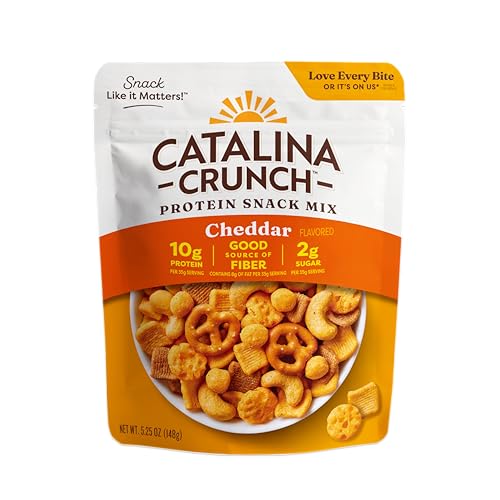
Catalina Crunch Cheddar Protein Snack Mix - 5.25 oz
Swap it for
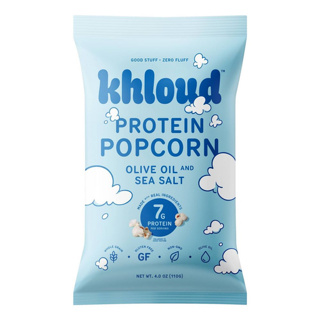
 Khloud Protein Popcorn Khloud · 1 oz · 18 pack View on Amazon · $49.50 See all Chips & Salty Snacks, ranked
At a glance
Summary
This snack mix is heavily penalized due to its use of industrial seed oils like canola and sunflower oil, which are highly processed and linked to inflammation. The product is ultra-processed, containing multiple additives such as caramel color and natural flavors, which further detract from its nutritional quality. Despite some beneficial ingredients like chicory root fiber and cheddar cheese, the overall ingredient profile and processing level significantly lower its health rating. It is sold as a protein snack mix.
Key ingredients 40
Canola OilVery Bad
Canola oil is a refined seed oil high in omega-6 fatty acids. It is often highly processed and may contain trans fats. Its high omega-6 content can contribute to inflammation when consumed in excess.
Risks
High omega-6 content may promote inflammation when consumed in excess.
Sunflower OilVery Bad
Sunflower oil is a seed oil high in omega-6 fatty acids. It is often used in processed foods due to its neutral flavor. High omega-6 intake can lead to an imbalance in fatty acids, promoting inflammation.
Risks
High omega-6 content may promote inflammation when consumed in excess.
Caramel ColorBad
Caramel color is a food coloring agent used to give products a brown hue. It is created through the controlled heat treatment of carbohydrates. Some forms may contain contaminants like 4-MEI, which is a potential carcinogen.
Risks
Potential exposure to 4-MEI, a byproduct that may pose cancer risks.
Yeast ExtractBad
Concentrated glutamate source — MSG-adjacent flavor enhancer.
Risks
May contribute to high sodium intake if consumed in large amounts.
Benefits
Enhances flavor without the need for artificial additives.
SugarBad
Sugar is a refined carbohydrate that provides quick energy but lacks essential nutrients. Excessive consumption can lead to weight gain and metabolic issues. It is often added to enhance sweetness in processed foods.
Risks
High intake can contribute to obesity, diabetes, and other metabolic disorders.
Natural FlavorBad
Natural flavor is a catch-all term for flavoring agents derived from natural sources. It lacks transparency, making it difficult to assess its health impact. It is often used to enhance flavor in processed foods.
Risks
Lack of transparency may hide potential allergens or undesirable compounds.
Cane SugarBad
Cane sugar is a refined sugar that provides quick energy but lacks essential nutrients. Excessive consumption can lead to weight gain and metabolic issues. It is often added to enhance sweetness in processed foods.
Risks
High intake can contribute to obesity, diabetes, and other metabolic disorders.
Pea ProteinNeutral
Pea protein is a plant-based protein source that provides essential amino acids. It is less bioavailable compared to animal proteins. It is often used in plant-based products for its protein content.
Risks
May cause digestive discomfort in some individuals due to its fiber content.
Benefits
Provides a plant-based protein option for those avoiding animal products.
Tapioca StarchNeutral
Tapioca starch is a refined carbohydrate used as a thickener and stabilizer. It is gluten-free and commonly used in gluten-free products. It provides no significant nutritional benefits.
Benefits
Useful in gluten-free cooking as a thickening agent.
Potato FiberNeutral
Potato fiber is a source of dietary fiber derived from potatoes. It is used to improve texture and increase fiber content in processed foods. It does not provide significant nutrients beyond fiber.
Benefits
Contributes to dietary fiber intake, which can aid digestion.
Corn FiberNeutral
Corn fiber is a source of dietary fiber extracted from corn. It is used to enhance fiber content in food products. It is a processed ingredient with limited nutritional value beyond fiber.
Benefits
Adds fiber to the diet, which can support digestive health.
Guar GumNeutral
Guar gum is a thickening agent derived from guar beans. It is used to improve texture and stability in processed foods. It is generally recognized as safe when consumed in typical amounts.
Risks
May cause digestive issues like gas or bloating in sensitive individuals.
Benefits
Helps improve the texture and consistency of food products.
SaltNeutral
Salt is used to enhance flavor and preserve food. It is a common culinary ingredient but can contribute to high sodium intake. It is essential for bodily functions but should be consumed in moderation.
Risks
Excessive consumption can lead to high blood pressure and other health issues.
Benefits
Essential for maintaining fluid balance and nerve function.
AnnattoNeutral
Annatto is a natural coloring agent derived from the seeds of the achiote tree. It is used to impart a yellow or orange color to foods. It is considered safe and natural.
Risks
Rarely, it may cause allergic reactions in sensitive individuals.
Benefits
Provides natural color without synthetic additives.
EnzymesNeutral
Enzymes are used in food processing to aid in the breakdown of proteins and other compounds. They are naturally occurring and help improve texture and flavor. They are generally recognized as safe.
Benefits
Enhance the texture and flavor of food products.
Vitamin A PalmitateNeutral
Vitamin A palmitate is a synthetic form of vitamin A used to fortify foods. It is added to enhance nutritional value, particularly in dairy products. It is essential for vision and immune function.
Risks
Excessive intake can lead to hypervitaminosis A, a condition caused by vitamin A toxicity.
Benefits
Supports vision and immune health by providing vitamin A.
WheyNeutral
Liquid whey as a minor dairy ingredient — benign.
Risks
May cause digestive issues in individuals with lactose intolerance.
Benefits
Excellent source of protein that supports muscle health and recovery.
Tapioca SolidsNeutral
Tapioca solids are derived from cassava root and used as a thickener. They are a refined carbohydrate with limited nutritional value. They are gluten-free and commonly used in processed foods.
Benefits
Useful in gluten-free cooking as a thickening agent.
Sour CreamNeutral
Sour cream is a fermented dairy product that adds flavor and creaminess. It contains probiotics that may support gut health. It is high in fat and should be consumed in moderation.
Risks
High in saturated fat, which may impact heart health if consumed in excess.
Benefits
Provides probiotics that may support digestive health.
Citric AcidNeutral
Citric acid is a natural acid used as a preservative and flavor enhancer. It is found naturally in citrus fruits and is commonly used in food processing. It is generally recognized as safe.
Benefits
Enhances flavor and preserves freshness in food products.
Lactic AcidNeutral
Lactic acid is a natural acid used as a preservative and flavoring agent. It is produced by fermentation and is found in fermented foods. It is generally recognized as safe.
Benefits
Enhances flavor and preserves freshness in food products.
Potato FlourNeutral
Potato flour is a gluten-free flour made from whole potatoes. It is used as a thickener and to add moisture to baked goods. It provides carbohydrates but lacks significant nutrients.
Benefits
Useful in gluten-free baking as a thickening agent.
CornstarchNeutral
Cornstarch is a refined carbohydrate used as a thickener in cooking. It is gluten-free and commonly used in processed foods. It provides no significant nutritional benefits.
Benefits
Useful in gluten-free cooking as a thickening agent.
Rice FlourNeutral
Rice flour is a gluten-free flour made from ground rice. It is used in gluten-free baking and cooking. It provides carbohydrates but lacks significant nutrients.
Benefits
Useful in gluten-free baking as a flour alternative.
High Oleic Sunflower OilNeutral
High oleic sunflower oil is a type of sunflower oil bred to be high in monounsaturated fats. It is more stable at high temperatures compared to regular sunflower oil. It is considered a better option than regular seed oils.
Benefits
Contains monounsaturated fats that support heart health.
Sunflower LecithinNeutral
Sunflower lecithin is an emulsifier derived from sunflower seeds. It is used to improve texture and mixability in food products. It is considered a safer alternative to soy lecithin for those with soy allergies.
Benefits
Improves texture and mixability in food products.
Xanthan GumNeutral
Xanthan gum is a thickening agent used to stabilize and thicken food products. It is produced by fermenting sugars with bacteria. It is generally recognized as safe when consumed in typical amounts.
Risks
May cause digestive issues like gas or bloating in sensitive individuals.
Benefits
Helps improve the texture and consistency of food products.
YeastNeutral
Yeast is used in baking and fermentation to leaven bread and develop flavors. It is a natural ingredient that contributes to the fermentation process. It is generally recognized as safe.
Benefits
Contributes to the leavening and flavor development in baked goods.
Chicory Root FiberGood
Chicory root fiber is a prebiotic fiber that supports gut health. It is derived from the chicory plant and is known for its ability to promote beneficial gut bacteria. It is a natural source of inulin, a type of soluble fiber.
Risks
Excessive consumption may cause digestive discomfort such as bloating or gas.
Benefits
Supports digestive health by promoting the growth of beneficial gut bacteria.
Pasteurized Part-Skim MilkGood
Pasteurized part-skim milk is a source of calcium and protein. It is processed to remove some fat, making it lower in calories. Pasteurization ensures safety by eliminating harmful bacteria.
Risks
Lactose intolerance may cause digestive issues in some individuals.
Benefits
Provides essential nutrients like calcium and protein for bone health.
Cheese CulturesGood
Cheese cultures are beneficial bacteria used in cheese production. They help develop flavor and texture in cheese. They are natural and contribute to the fermentation process.
Benefits
Contribute to the development of flavor and texture in cheese.
CashewsGood
Cashews are a nutrient-dense nut rich in healthy fats, protein, and minerals. They provide monounsaturated fats that support heart health. They are a good source of magnesium and copper.
Risks
May cause allergic reactions in individuals with nut allergies.
Benefits
Rich in healthy fats and minerals, supporting heart and bone health.
ButtermilkGood
Buttermilk is a fermented dairy product that provides probiotics and calcium. It is lower in fat than regular milk and adds a tangy flavor to foods. It supports digestive health due to its probiotic content.
Risks
May cause digestive issues in individuals with lactose intolerance.
Benefits
Provides probiotics and calcium, supporting digestive and bone health.
Cheddar CheeseGood
Cheddar cheese is a source of calcium and protein. It is made from milk and contains beneficial bacteria from cheese cultures. It supports bone health due to its calcium content.
Risks
High in saturated fat, which may impact heart health if consumed in excess.
Benefits
Rich in calcium and protein, supporting bone and muscle health.
Onion PowderGood
Onion powder is a dehydrated form of onion used for flavoring. It retains some of the beneficial compounds found in fresh onions. It adds flavor without the need for artificial additives.
Benefits
Contains antioxidants and compounds that may support heart health.
Paprika ExtractGood
Paprika extract is a natural coloring and flavoring agent derived from paprika peppers. It contains antioxidants like carotenoids. It adds color and flavor without synthetic additives.
Benefits
Rich in antioxidants that may support overall health.
Garlic PowderGood
Garlic powder is a dehydrated form of garlic used for flavoring. It retains some of the beneficial compounds found in fresh garlic. It is known for its potential health benefits, including heart health support.
Benefits
Contains compounds that may support heart health and immune function.
Chickpea FlourGood
Chickpea flour is a gluten-free flour made from ground chickpeas. It is high in protein and fiber, making it a nutritious alternative to wheat flour. It is commonly used in gluten-free and plant-based recipes.
Benefits
Rich in protein and fiber, supporting digestive health and muscle maintenance.
Sea SaltGood
Sea salt is a minimally processed salt that contains trace minerals. It is used to enhance flavor and preserve food. It is considered a healthier alternative to refined table salt.
Risks
Excessive consumption can lead to high blood pressure and other health issues.
Benefits
Provides trace minerals and enhances flavor in foods.
Mixed TocopherolsGood
Mixed tocopherols are a form of vitamin E used as an antioxidant to preserve freshness. They are derived from natural sources and help prevent oxidation in food products. They support immune function and skin health.
Benefits
Acts as an antioxidant, supporting immune function and preserving food freshness.
Processing
Ultra-Processed Foods
Get the full breakdown in the Scout appTake Scout shopping
Scan any product to see lab results, healthy alternatives, and your personalized analysis.
Are you Catalina Crunch? Fix an error Get the badge Get tested
Amazon pricing & content
Amazon price for Khloud Protein Popcorn as of . Product prices and availability are accurate as of the date/time indicated and are subject to change. Any price and availability information displayed on Amazon.com at the time of purchase will apply to the purchase of this product.
CERTAIN CONTENT THAT APPEARS ON THIS SITE COMES FROM AMAZON. THIS CONTENT IS PROVIDED “AS IS” AND IS SUBJECT TO CHANGE OR REMOVAL AT ANY TIME.