Ingredient
Sunflower Lecithin
What is Sunflower Lecithin?
Sunflower lecithin is a natural emulsifier extracted from sunflower seeds. It is typically obtained through a cold-pressing technique that maintains its nutritional qualities without the use of harsh chemical solvents.
This ingredient is commonly used in food products to combine oils and water into a stable blend. While it shares functional similarities with soy lecithin, it is an alternative that is free from common allergens like soy. The scientific evidence on the health effects of lecithin is varied, with some studies suggesting potential benefits like supporting liver function, while others show no significant effect.
When you see sunflower lecithin on a label, it is usually used to improve texture and extend shelf life in products like chocolates and baked goods.
Commonly found in: Chocolate, Baked goods, Margarine, Dressings, Supplements
What to watch
- Some individuals may be allergic to sunflower lecithin, causing adverse reactions.
- There are concerns about potential contamination with pesticides used in conventional sunflower farming.
Benefits
- Sunflower lecithin is often used as an alternative to soy lecithin, which is beneficial for those with soy allergies.
Sunflower lecithin is generally recognized as safe (GRAS) by the FDA when used in accordance with good manufacturing practices.
Research is mixed; some studies indicate potential health benefits, while others find insignificant effects.
Sunflower lecithin is plant-derived, making it suitable for vegan usage.
Sources: Food Additives and Ingredients Association - Emulsifiers
Scout's take
Sunflower-derived emulsifier — cleaner than soy lecithin but still a refined, processed additive. Scout classifies lecithin emulsifiers as bad.
The case against
May cause digestive issues in sensitive individuals when consumed in large amounts.
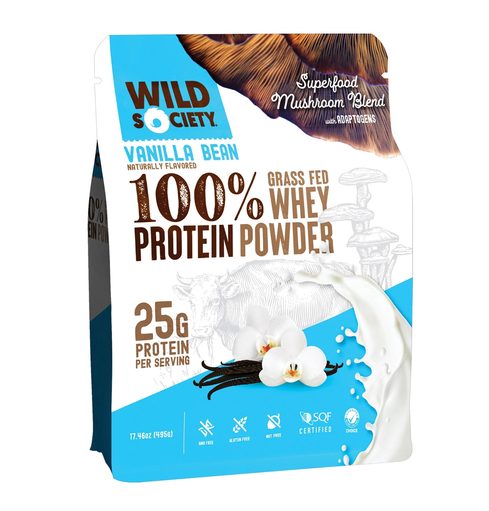
from the analysis of Wild Society Grass Fed Whey Protein · echoed in 6 other analysesPotential for allergic reactions in sensitive individuals.
from the analysis of Aloha Chocolate Chip Cookie Dough Plant-Based Protein Bars - Protein · echoed in 1 other analysisIndustrially processed additive derived from seed oil extraction.
from the analysis of Barebells Protein BarExcessive consumption of emulsifiers may affect gut health.
from the analysis of Back To Nature Cookies Fudge Mint - Case of 6May contribute to the additive load in processed foods.
from the analysis of Nature's Own THICK SLICED WHITE BREADThe case for
Helps to improve texture and stability in food products, making them more palatable.
from the analysis of Califia Farms TOASTED COCONUT ALMONDMILK BLEND · echoed in 2 other analysesImproves texture and emulsification in food products.
from the analysis of So Delicious Cold Brew Coffee Ice Cream · echoed in 1 other analysisHelps improve texture and consistency of the product.
from the analysis of Nature's Own THICK SLICED WHITE BREAD · echoed in 1 other analysisImproves texture and stability in food products but offers no significant nutritional benefits.
from the analysis of Van Leeuwen Ice Cream Cookies & Cream 14 ozImproves texture and shelf life in processed foods, but lacks significant health benefits.
from the analysis of Back To Nature Cheezy CrackersMore from Scout's analyses
Sunflower lecithin is an emulsifier used to improve texture and stability in food products. It is derived from sunflower seeds and is less processed than soy lecithin. However, it is still a refined additive that may not be necessary in whole food diets.
from the analysis of Califia Farms TOASTED COCONUT ALMONDMILK BLENDSunflower lecithin is used as an emulsifier to improve texture and mixability in food products. It is derived from sunflower seeds, which are processed to extract the lecithin. While generally considered safe, it is a processed additive that some may prefer to avoid.
from the analysis of Wild Society Grass Fed Whey ProteinSunflower lecithin is used as an emulsifier to improve texture and consistency. It is derived from sunflower seeds and is less processed than soy lecithin. While it aids in blending ingredients, it offers minimal nutritional benefits.
from the analysis of Peak Protein Chocolate Peanut Butter CrunchFound in 37 products
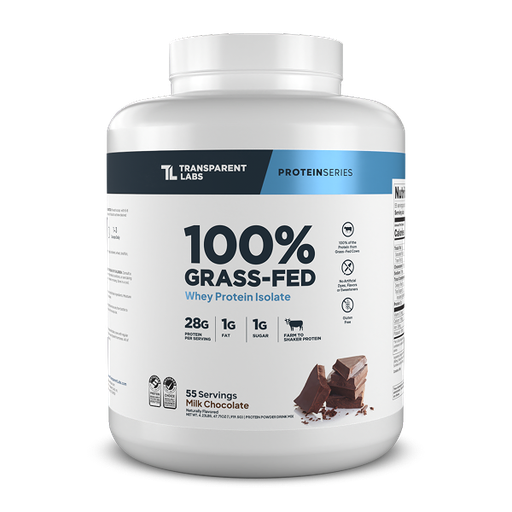
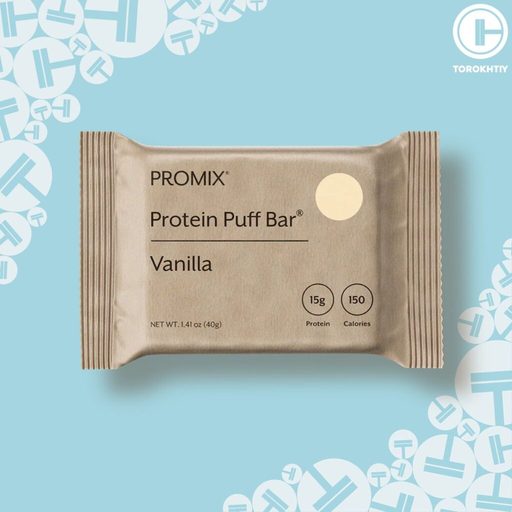
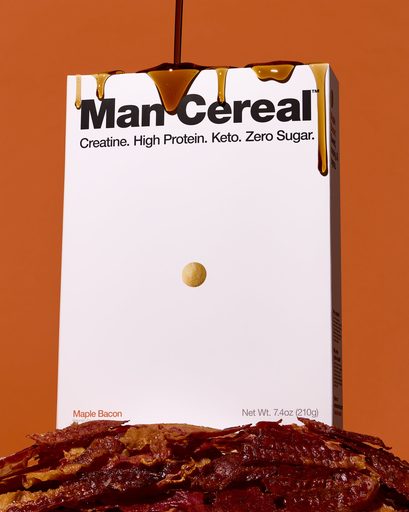


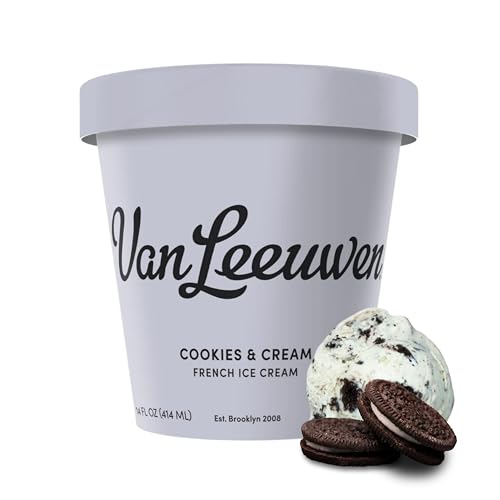


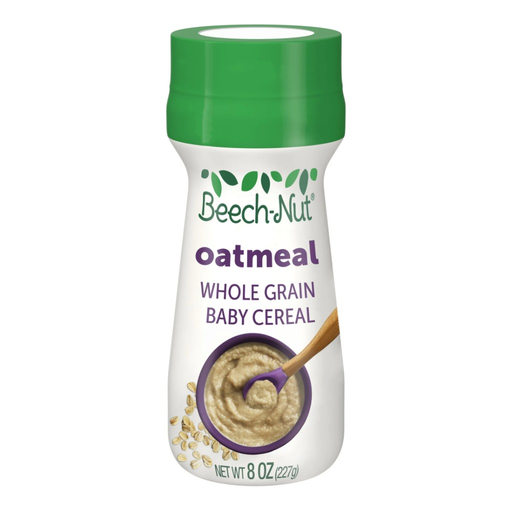


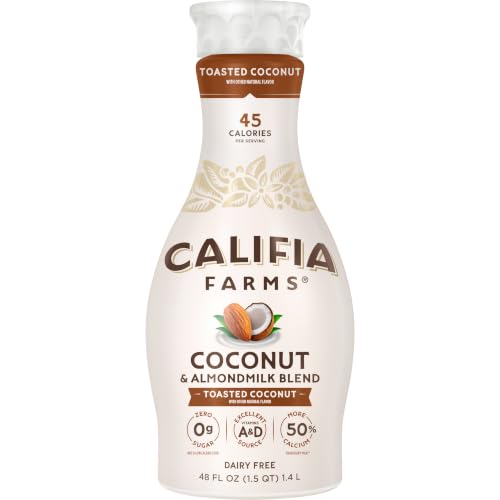

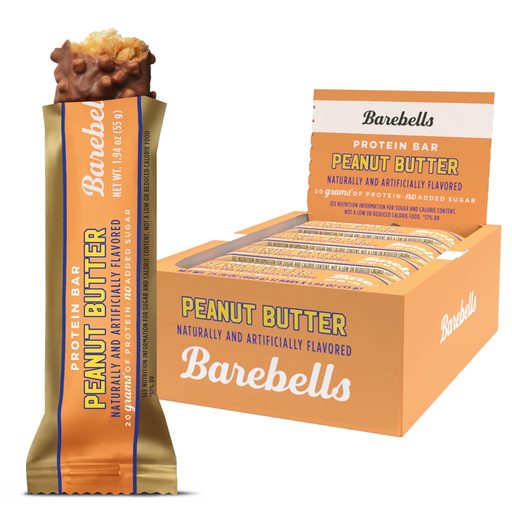


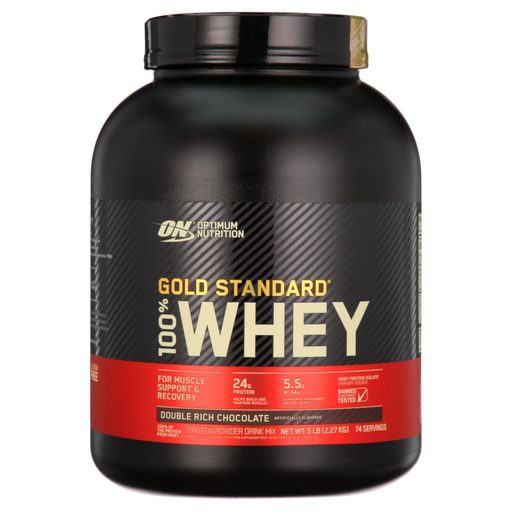
+ 13 more products in the Scout app
Scan any product to see every ingredient explained — and healthier swaps.
Download on theApp Store GET IT ONGoogle Play