
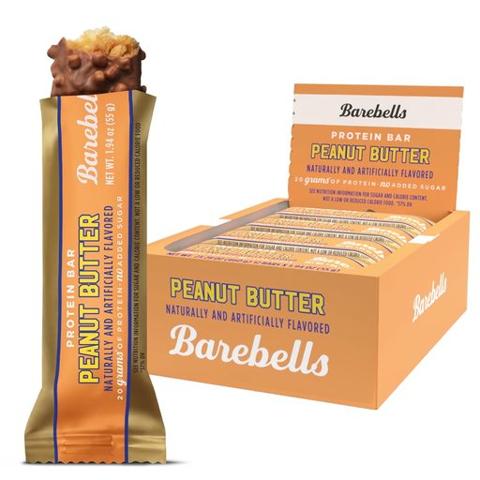


Barebells Protein Bar
At a glance
Summary
Barebells Protein Bar delivers 20g of protein with no added sugar, but its ingredient quality is undermined by seven harmful substances including maltitol, sunflower oil, artificial flavors, sucralose, soy protein isolate, sunflower lecithin, and tapioca starch. Despite marketing as a premium protein bar, the reliance on processed fillers, seed oils, and artificial sweeteners results in a NOVA 4 ultra-processed classification.
Key ingredients 17
Sunflower OilVery Bad
Sunflower oil is high in omega-6 linoleic acid, which is pro-inflammatory when consumed in excess. It is a refined seed oil that most health-conscious consumers actively avoid due to its inflammatory fatty acid profile and industrial refining process.
Risks
High omega-6 content promotes chronic inflammation. Industrially refined with potential chemical solvent residues.
Benefits
Provides texture in the product.
MaltitolBad
Maltitol is a sugar alcohol with the highest glycemic index among sugar alcohols. It is well-documented to cause significant gastrointestinal distress including bloating, gas, and diarrhea.
Risks
Causes significant gastrointestinal distress. Raises blood sugar more than other sugar alcohols like erythritol.
Benefits
Provides sweetness with fewer calories than sugar.
Natural and Artificial FlavorsBad
The inclusion of artificial flavors indicates synthetic chemical compounds used to enhance taste. Unlike natural flavors alone, artificial flavors are entirely lab-created with zero transparency on their chemical composition.
Risks
Artificial flavors may contain synthetic compounds that some individuals are sensitive to. Long-term effects of chronic consumption are not fully understood.
Benefits
Enhances taste and palatability.
SucraloseBad
Sucralose is a chlorinated artificial sweetener linked to disruption of the gut microbiome, potential insulin response issues, and generation of harmful compounds during metabolism.
Risks
May disrupt gut microbiome balance and trigger insulin responses despite being zero-calorie.
Benefits
Provides zero-calorie sweetness.
Soy Protein IsolateBad
Soy protein isolate is a heavily processed protein extracted from soybeans using chemical solvents like hexane. The majority of soy in the US is genetically modified. It contains phytoestrogens that may disrupt hormonal balance, and is used here as a cheap filler protein to pad the protein claim.
Risks
Typically GMO-derived. Extracted using chemical solvents. Contains phytoestrogens that may affect hormone levels. Inferior bioavailability compared to whey.
Benefits
Provides additional protein at lower cost.
Sunflower LecithinBad
Sunflower lecithin is a processed emulsifier extracted from sunflower seeds. While it avoids the GMO and allergen concerns of soy lecithin, it is still an industrially processed additive derived from seed oil processing.
Risks
Industrially processed additive derived from seed oil extraction.
Benefits
Functions as an emulsifier to improve product texture and consistency.
PolydextroseNeutral
Standard formulation ingredient — neither beneficial nor harmful at typical use.
Risks
May cause mild gastrointestinal discomfort in some individuals at high doses.
Benefits
Supports gut health through prebiotic fiber and contributes to daily fiber intake.
Tapioca StarchNeutral
Refined but benign starch used for texture.
Risks
Provides empty calories with no nutritional value. Highly processed filler ingredient.
Benefits
Provides texture and volume.
Dry Whole MilkNeutral
Dry whole milk provides calcium and additional protein from a recognizable whole food source, though it is processed through dehydration.
Risks
May cause issues for lactose-intolerant individuals.
Benefits
Provides calcium and additional protein.
Cocoa Processed with AlkaliNeutral
Dutch-processed cocoa has a milder flavor but reduced antioxidant content compared to natural cocoa due to the alkalization process.
Risks
Reduced antioxidant content compared to natural cocoa.
Benefits
Provides chocolate flavor.
GlycerinNeutral
Glycerin is used as a humectant to maintain moisture and texture. Generally recognized as safe.
Benefits
Maintains product moisture and texture.
Calcium CaseinateGood
Calcium caseinate is a slow-digesting milk protein that provides sustained amino acid release over several hours. It supports prolonged muscle protein synthesis and recovery, making it effective for meal replacement and between-meal protein bars.
Risks
May cause digestive issues in individuals with dairy sensitivity.
Benefits
Sustained amino acid release supporting prolonged muscle recovery.
Whey Protein ConcentrateGood
Whey protein concentrate is a well-studied protein source with a complete amino acid profile and good bioavailability. It supports muscle protein synthesis and recovery.
Risks
May cause digestive issues in lactose-sensitive individuals.
Benefits
Complete amino acid profile supporting muscle growth and recovery.
Bovine Collagen HydrolysateGood
Hydrolyzed bovine collagen provides specific amino acids like glycine and proline that support skin, joint, and connective tissue health. The hydrolyzed form ensures superior absorption compared to non-hydrolyzed collagen.
Benefits
Supports joint health, skin elasticity, and connective tissue integrity with enhanced absorption.
Cocoa ButterGood
Natural traditional fat pressed from cacao.
Benefits
Provides clean fat source with natural cocoa flavor.
Unsweetened ChocolateGood
100% cacao — flavanol- and antioxidant-bearing.
Benefits
Contains cocoa flavanols with antioxidant properties.
Whey Protein IsolateVery Good
Whey protein isolate is the most refined form of whey with the highest protein percentage and minimal lactose and fat. Excellent bioavailability.
Risks
May cause issues in individuals with whey allergy.
Benefits
Premium protein with superior bioavailability and minimal lactose.
Processing
Ultra-Processed Foods
Get the full breakdown in the Scout appTake Scout shopping
Scan any product to see lab results, healthy alternatives, and your personalized analysis.
Download on theApp Store GET IT ONGoogle PlayAmazon pricing & content
Amazon price as of . Product prices and availability are accurate as of the date/time indicated and are subject to change. Any price and availability information displayed on Amazon.com at the time of purchase will apply to the purchase of this product.
CERTAIN CONTENT THAT APPEARS ON THIS SITE COMES FROM AMAZON. THIS CONTENT IS PROVIDED “AS IS” AND IS SUBJECT TO CHANGE OR REMOVAL AT ANY TIME.