Ingredient · Updated
Maltitol
Found in 16 productsSee all
What is Maltitol?
Maltitol is a sugar alcohol used as a sugar substitute, commonly derived from starches like corn. It is made by hydrogenating maltose, a sugar obtained from the starch.
Maltitol is used in many sugar-free and low-calorie products as it provides about 75-90% of the sweetness of sugar but with fewer calories. The evidence on its health impact is mixed. While it may benefit those reducing sugar intake, overconsumption can lead to digestive issues, as it can be fermentable and cause gastrointestinal discomfort in sensitive individuals.
When you see maltitol on a label, it's often in products marketed as low-sugar or sugar-free, but it's wise to consume it in moderation to prevent digestive upset.
Commonly found in: sugar-free candies, baked goods, protein bars, chewing gum, desserts, ice cream
What to watch
- Excess consumption may cause digestive issues like bloating and diarrhea.
Benefits
- Provides sweetness with fewer calories than sugar, which might be useful for calorie reduction.
Maltitol is recognized as generally safe and is approved for use in food products.
Research shows maltitol can aid in reducing sugar consumption but may cause digestive issues if consumed in large amounts.
Maltitol is derived from starch and is suitable for a vegan diet.
Sources: Food Additive Status List · Sugar Alcohols in Foods
Scout's take
A sugar alcohol used to label products sugar-free. It still raises blood sugar — roughly half as much as table sugar — and commonly causes bloating and digestive upset at the amounts found in bars and candy.
The case against
May cause digestive issues like bloating and diarrhea when consumed in large amounts.
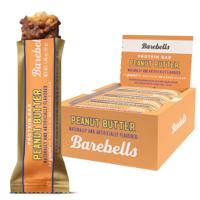
from the analysis of Barebells Peanut Butter Protein Bar · echoed in 1 other analysisCauses bloating, gas, and diarrhea. Raises blood sugar more than other sugar alcohols. Stacked with maltitol syrup for double exposure.
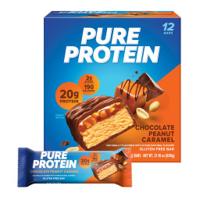
from the analysis of Pure Protein Protein BarsCauses significant gastrointestinal distress. Raises blood sugar more than other sugar alcohols like erythritol.
from the analysis of Barebells Protein BarMay cause gastrointestinal discomfort and laxative effects when consumed in large amounts.
from the analysis of Barebells Cookies & Caramel Protein BarMay cause gastrointestinal discomfort and laxative effects in sensitive individuals.
from the analysis of Barebells Cookies & Cream Protein BarThe case for
Provides sweetness with fewer calories than regular sugar.
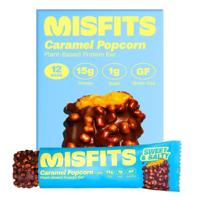
from the analysis of MISFITS Caramel Fudge Protein Bar · echoed in 4 other analysesProvides sweetness with reduced caloric content compared to sugar.
from the analysis of Barebells Peanut Butter Protein Bar · echoed in 1 other analysisProvides sweetness with fewer calories than sugar, making it useful for reducing caloric intake.
from the analysis of Barebells Cookies & Caramel Protein BarOffers a sweet taste with reduced calorie content compared to sugar.
from the analysis of Barebells Caramel Cashew Protein BarMore from Scout's analyses
Maltitol is a sugar alcohol with the highest glycemic index among sugar alcohols. It is well-documented to cause significant gastrointestinal distress including bloating, gas, and diarrhea.
from the analysis of Barebells Protein BarMaltitol is a sugar alcohol used as a sugar substitute. It can cause digestive issues like bloating and diarrhea when consumed in large amounts. It has a lower glycemic index than sugar but can still affect blood sugar levels.
from the analysis of MISFITS Brownie Batter Protein BarMaltitol is a sugar alcohol used as a sugar substitute, providing sweetness with fewer calories. It can cause digestive issues such as bloating and diarrhea when consumed in large amounts. It is less likely to cause tooth decay compared to regular sugar.
from the analysis of Barebells Cookies & Cream Protein BarAll 16 products with Maltitol









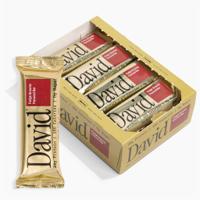


Where Maltitol shows up
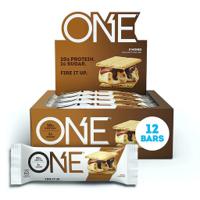
- Protein Bars 15 products
- Chocolate 1 product
Higher-scoring picks without Maltitol
Products from the same categories whose analyzed ingredient list does not include Maltitol, scoring 80 or above.
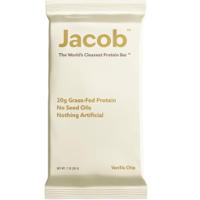
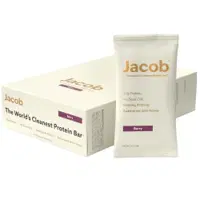
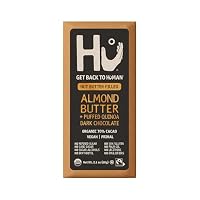

Scan any product to see every ingredient explained — and healthier swaps.