Ingredient · Updated
Cocoa (Processed with Alkali)
Found in 35 productsSee all
What is Cocoa (Processed with Alkali)?
Cocoa processed with alkali, also known as Dutch-processed cocoa, is cocoa that has been treated with an alkaline solution to neutralize its acidity. This process results in a milder flavor and darker color compared to natural cocoa powder.
It is commonly used in recipes and products where a smooth, non-bitter chocolate flavor is desired. Some studies suggest that the alkalization process may reduce the cocoa's natural antioxidant content, leading to mixed views on its health impact.
When you see it on a label, it often indicates a preference for taste and color over antioxidant properties, common in processed chocolate products and baking mixtures.
Commonly found in: chocolate-flavored protein powders, cake mixes, chocolate bars, cereals, baked goods
What to watch
- Alkalization may decrease flavonoid and antioxidant content compared to natural cocoa.
Benefits
- Provides a milder chocolate flavor and improved solubility for baking and beverages.
- Used for its enhanced dark color in visual food appeal.
The FDA considers cocoa processed with alkali as a safe food ingredient without specific restrictions.
Studies show reduced antioxidant levels after alkali treatment, but the impact on health remains inconclusive.
Cocoa processed with alkali is plant-derived and generally accepted in vegan diets.
Sources: Cocoa Powder Health Effects
Scout's take
Dutch-processed cocoa has a milder flavor but reduced antioxidant content compared to natural cocoa due to the alkalization process.
The case against
May have reduced antioxidant content compared to natural cocoa.
from the analysis of Protein pint Peanut butter chip · echoed in 9 other analysesMay contain reduced levels of antioxidants compared to natural cocoa.
from the analysis of Fiber One 70 Calorie Brownies Chocolate Fudge Snack Bars · echoed in 1 other analysisAlkalization may reduce beneficial antioxidants found in natural cocoa.
from the analysis of Oreo Double Stuf ChocolateProcessing may reduce some antioxidant content.
from the analysis of MISFITS Brownie Batter Protein BarThe case for
Provides a smooth chocolate flavor with reduced acidity.
from the analysis of Barebells Caramel Cashew Protein Bar · echoed in 2 other analysesProvides a rich chocolate flavor and color to products.
from the analysis of Fiber One 70 Calorie Brownies Chocolate Fudge Snack Bars · echoed in 2 other analysesProvides flavor and color but lacks significant health benefits.
from the analysis of girl scouts peanut butter patties · echoed in 1 other analysisProvides a smoother flavor profile for chocolate products.
from the analysis of MISFITS Brownie Batter Protein Bar · echoed in 1 other analysisProvides flavor and color to chocolate products, though antioxidant levels may be reduced.
from the analysis of Kemps Low-Fat Swiss Style Chocolate Milk, 1 PintMore from Scout's analyses
Cocoa processed with alkali, also known as Dutch-processed cocoa, has a milder flavor and darker color. The alkalization process reduces acidity but may decrease antioxidant content. It is commonly used in chocolate products for its smooth flavor.
from the analysis of Barebells Caramel Cashew Protein BarDutch-processed cocoa has reduced flavanol and antioxidant content compared to natural cocoa. Cocoa itself is also a known cadmium accumulator.
from the analysis of Ensure Plant-Based Protein Nutrition Shake ChocolateStandard formulation ingredient — neither beneficial nor harmful at typical use.
from the analysis of nufri chocolate milk shakeAll 35 products with Cocoa (Processed with Alkali)
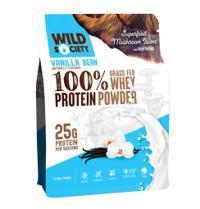

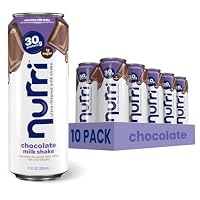




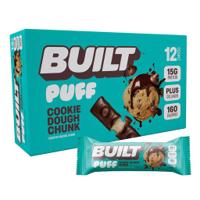


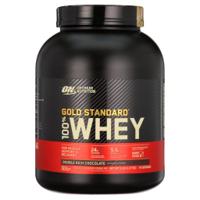

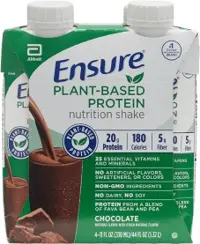
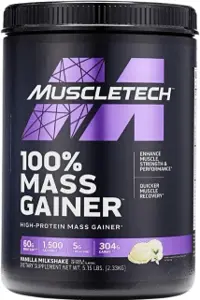




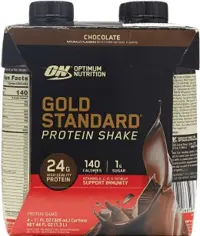



+ 11 more products in the Scout app
Where Cocoa (Processed with Alkali) shows up
- Protein Powders 11 products
- Protein Bars 11 products
- Ice Cream 6 products
- Cookies 3 products
- Milk 2 products
- Candy 1 product
Scan any product to see every ingredient explained — and healthier swaps.