

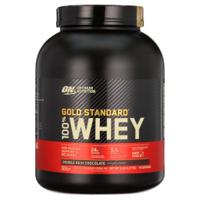

Optimum Nutrition Gold Standard Protein Shake Chocolate
At a glance
Summary
Optimum Nutrition Gold Standard Protein Shake Chocolate scores 32/100. RTD version of the Gold Standard line — milk protein isolate + concentrate + whey concentrate + calcium caseinate at 24 g protein. Formula stacks the worst sweetener load in Batch B: sucralose + acesulfame potassium + carrageenan together, plus refined sunflower oil and processed cellulose gel/gum. Independent third-party lab testing (Consumer Reports, January 2024) detected 0.74 mcg lead per serving. Cadmium 0.85 and arsenic 0.49 mcg also detected. Owned by Glanbia Performance Nutrition.
Contaminants 4
Source: Consumer Reports January 2024
Lead 0.74 mcg per serving Moderate
A moderate level of lead — elevated enough to be a real sourcing concern; cleaner-tested options exist.
Independent third-party testing.
Cadmium 0.85 mcg per serving Low
A low level of cadmium — present but modest; a sourcing-quality note rather than a safety concern at typical intake.
Consumer Reports January 2024 detected 0.85 mcg cadmium per serving.
Arsenic 0.49 mcg per serving Low
A low level of arsenic — present but modest; a sourcing-quality note rather than a safety concern at typical intake.
Consumer Reports January 2024 detected 0.49 mcg arsenic per serving.
Mercury not detected Not detected
Not detected — below the laboratory's detection limit. This is the strictest possible result: no measurable amount was found.
Consumer Reports January 2024 reported mercury below the lab's threshold of detection — no mercury measurable in this product.
Key ingredients 16
Sunflower OilVery Bad
Refined seed oil high in inflammatory omega-6 linoleic acid. Adds processed fat with little nutritional value in a protein product.
See more about Sunflower Oil →Natural FlavorsBad
Proprietary flavor blend; can hide dozens of synthetic aroma chemicals and phthalate carriers under FDA trade-secret rules.
See more about Natural Flavors →Potassium Phosphate and Sodium HexametaphosphateBad
Industrial phosphate emulsifiers. Excess phosphate intake from processed foods is associated with cardiovascular and kidney concerns.
See more about Potassium Phosphate and Sodium Hexametaphosphate →SucraloseBad
Chlorinated artificial sweetener linked to disruption of gut microbiome, potential insulin response issues, and generation of harmful chlorinated compounds during metabolism.
See more about Sucralose →Acesulfame PotassiumBad
Artificial sweetener (Ace-K) with limited long-term safety data. Often paired with sucralose to mask aftertaste — a double artificial sweetener load.
See more about Acesulfame Potassium →CarrageenanBad
Seaweed-derived thickener linked in some studies to gut inflammation.
See more about Carrageenan →Filtered WaterNeutral
Solvent base for the ready-to-drink shake.
See more about Filtered Water →Cocoa (Processed with Alkali)Neutral
Dutch-processed cocoa has reduced flavanol and antioxidant content compared to natural cocoa. Cocoa itself is also a known cadmium accumulator.
See more about Cocoa (Processed with Alkali) →Cellulose Gel and GumNeutral
Wood-pulp-derived thickeners used to maintain shake consistency. Inert and safe at typical concentrations but a processed-product marker.
See more about Cellulose Gel and Gum →Vitamin and Mineral BlendNeutral
Synthetic micronutrient fortification supporting marketing claim of 24 vitamins and minerals.
See more about Vitamin and Mineral Blend →SaltNeutral
Sodium for flavor balance; minimal contribution to total sodium intake.
See more about Salt →Milk Protein IsolateGood
Higher-purity milk protein with minimal lactose and fat; supports muscle recovery.
See more about Milk Protein Isolate →Milk Protein ConcentrateGood
Complete dairy protein providing whey and casein fractions; higher bioavailability than any plant protein.
See more about Milk Protein Concentrate →Whey Protein ConcentrateGood
Fast-digesting whey fraction supporting muscle protein synthesis.
See more about Whey Protein Concentrate →Calcium CaseinateGood
Beneficial ingredient — whole-food or functional value in this product class.
See more about Calcium Caseinate →Heavy CreamGood
Beneficial ingredient — whole-food or functional value in this product class.
See more about Heavy Cream →Processing
Ultra-Processed Foods
Get the full breakdown in the Scout appTake Scout shopping
Scan any product to see lab results, healthy alternatives, and your personalized analysis.
Download on theApp Store GET IT ONGoogle PlayAmazon pricing & content
Amazon price as of . Product prices and availability are accurate as of the date/time indicated and are subject to change. Any price and availability information displayed on Amazon.com at the time of purchase will apply to the purchase of this product.
CERTAIN CONTENT THAT APPEARS ON THIS SITE COMES FROM AMAZON. THIS CONTENT IS PROVIDED “AS IS” AND IS SUBJECT TO CHANGE OR REMOVAL AT ANY TIME.