
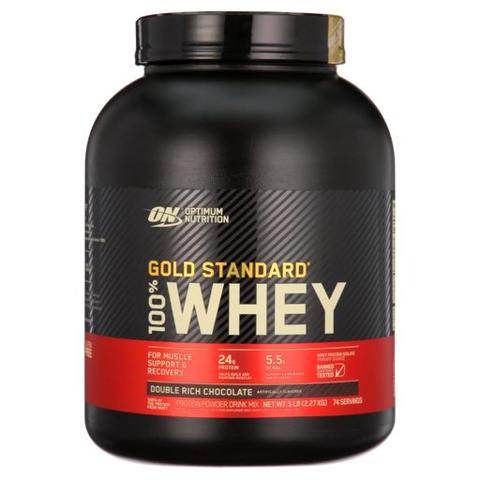
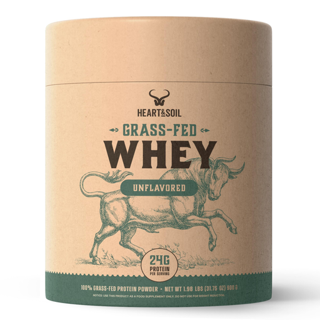
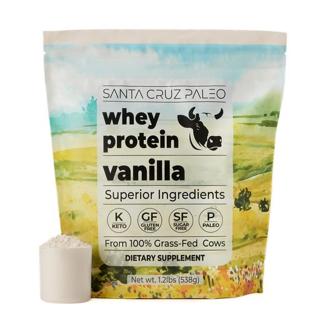


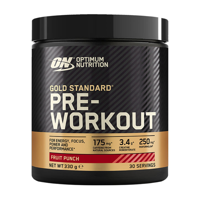
Optimum Nutrition Gold Standard 100% Whey Protein
At a glance
Summary
Optimum Nutrition Gold Standard Whey scores 40/100. While the protein blend itself is high-quality — whey isolate, concentrate, and hydrolyzed whey delivering 24g per serving — the product is heavily penalized for artificial sweeteners (sucralose, acesulfame potassium), artificial flavors, sunflower lecithin, and a creamer containing maltodextrin and sunflower oil. The world's best-selling protein powder, but far from clean. Independent third-party lab testing (Consumer Reports, January 2024) detected only trace amounts of heavy metals — lead 0.27 mcg per serving, cadmium 0.24, arsenic 0.16, mercury not detected. The cleanest dairy-protein lab profile of the mainstream Whey category — the formula additives, not contamination, are what hold the score back.
Contaminants 4
Source: Consumer Reports January 2024
Lead 0.27 mcg per serving Low
Detected at a low level — within health-based exposure limits set by regulators such as the FDA, EPA, and EFSA, though above trace. Not an acute concern at typical use, but lower is always better for this substance. Treated as a trace finding rather than a contamination flag at this exposure level.
Consumer Reports January 2024 detected 0.27 mcg lead per serving.5 mcg/day.
Cadmium 0.24 mcg per serving Trace
A trace amount of cadmium — within the range expected from normal soil uptake/processing and below our concern threshold.
Consumer Reports January 2024 detected 0.24 mcg cadmium per serving.1 mcg/day.
Arsenic 0.16 mcg per serving Trace
A trace amount of arsenic — within the range expected from normal soil uptake/processing and below our concern threshold.
Consumer Reports January 2024 detected 0.16 mcg arsenic per serving.
Mercury not detected Not detected
Not detected — below the laboratory's detection limit. This is the strictest possible result: no measurable amount was found.
Consumer Reports January 2024 reported mercury below the lab's threshold of detection — no mercury measurable in this product.
Key ingredients 12
Sunflower OilVery Bad
Part of Creamer. Ultra-processed filler blend containing sunflower seed oil (a major red flag seed oil high in omega-6), maltodextrin (high glycemic index spike), and modified food starch. No protein benefit — purely for texture and mouthfeel.
See more about Sunflower Oil →MaltodextrinVery Bad
Part of Creamer. Ultra-processed filler blend containing sunflower seed oil (a major red flag seed oil high in omega-6), maltodextrin (high glycemic index spike), and modified food starch. No protein benefit — purely for texture and mouthfeel.
See more about Maltodextrin →Natural & Artificial FlavorsBad
Contains artificial flavors — synthetic chemical compounds with no nutritional value and lack of transparency in sourcing. The label explicitly states 'artificially flavored'.
See more about Natural & Artificial Flavors →Sunflower LecithinBad
Processed emulsifier derived from sunflower seeds. While used for mixability, it is a processed seed-derived additive that some health-conscious consumers prefer to avoid.
See more about Sunflower Lecithin →Modified Food StarchBad
Part of Creamer. Ultra-processed filler blend containing sunflower seed oil (a major red flag seed oil high in omega-6), maltodextrin (high glycemic index spike), and modified food starch. No protein benefit — purely for texture and mouthfeel.
See more about Modified Food Starch →Acesulfame PotassiumBad
Artificial sweetener linked to concerns about gut microbiome disruption and insulin response. Frequently paired with sucralose in processed supplements.
See more about Acesulfame Potassium →SucraloseBad
Artificial sweetener that may negatively affect gut bacteria and glucose metabolism. Multiple studies raise concerns about long-term consumption.
See more about Sucralose →Cocoa Processed with AlkaliNeutral
Dutch-processed cocoa provides flavor but has reduced antioxidant content compared to natural cocoa.
See more about Cocoa Processed with Alkali →SaltNeutral
Used for flavor enhancement at low levels.
See more about Salt →Whey Protein ConcentrateGood
Secondary protein source that retains more immunoglobulins and growth factors than isolate, though slightly less pure. Adds protein depth to the blend.
See more about Whey Protein Concentrate →Hydrolyzed Whey ProteinGood
Pre-digested whey for faster absorption and reduced allergenicity. Supports rapid post-workout recovery.
See more about Hydrolyzed Whey Protein →Whey Protein IsolateVery Good
Primary protein source with excellent amino acid profile, high bioavailability, and fast absorption. Delivers 24g protein per serving with 5.5g naturally occurring BCAAs for muscle recovery.
See more about Whey Protein Isolate →Processing
Ultra-Processed Foods
Get the full breakdown in the Scout appTake Scout shopping
Scan any product to see lab results, healthy alternatives, and your personalized analysis.
Download on theApp Store GET IT ONGoogle PlayAmazon pricing & content
Amazon price as of . Product prices and availability are accurate as of the date/time indicated and are subject to change. Any price and availability information displayed on Amazon.com at the time of purchase will apply to the purchase of this product.
CERTAIN CONTENT THAT APPEARS ON THIS SITE COMES FROM AMAZON. THIS CONTENT IS PROVIDED “AS IS” AND IS SUBJECT TO CHANGE OR REMOVAL AT ANY TIME.