Ingredient
Acesulfame Potassium
What is Acesulfame Potassium?
Acesulfame Potassium is a zero-calorie artificial sweetener. It is made by combining acetoacetic acid and potassium, resulting in a white crystalline powder that's about 200 times sweeter than sucrose.
Used to enhance sweetness without adding calories, Acesulfame Potassium is popular in sugar-free and reduced-sugar products. Health concerns are debated: some studies suggest potential carcinogenic effects, but regulatory authorities find it safe in moderate amounts.
When reading labels, note that it's often found in combination with other sweeteners to achieve a more sugar-like taste and to mask its slightly bitter aftertaste.
Commonly found in: diet sodas, sugar-free candies, baked goods, chewing gum, flavored water
What to watch
- Some studies suggest a potential link to cancer in very high doses, though standard dietary levels are considered safe.
- Concerns exist over its effect on metabolism and gut microbiota, though evidence remains inconclusive.
Benefits
- Provides sweetness without calories, beneficial for calorie-restricted diets.
Acesulfame Potassium is approved by the FDA as a general-purpose sweetener, deemed safe when consumed within the recommended daily intake.
While some animal studies raise concern over health impacts at high doses, human studies have not definitively proven these risks.
Acesulfame Potassium is synthetically produced and contains no animal products, making it suitable for vegans.
Sources: Everything Added to Food in the United States (EAFUS)
Scout's take
Artificial sweetener (Ace-K) with limited long-term safety data. Contains methylene chloride, a potential carcinogen. Often paired with sucralose to mask aftertaste — a double artificial sweetener load.
The case against
Potential carcinogenicity concerns. May disrupt gut microbiome when combined with sucralose. Poorly studied for long-term safety.
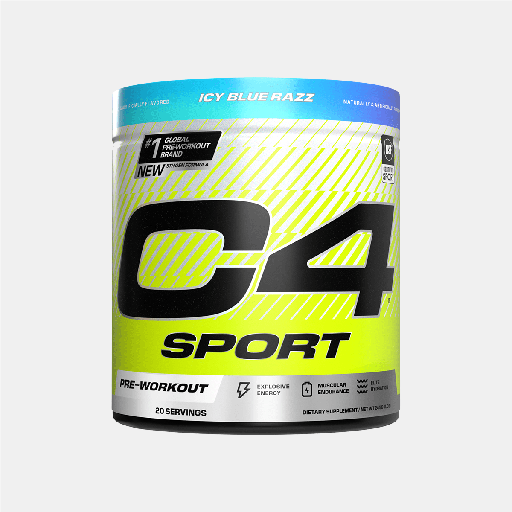
from the analysis of C4 Sport Pre-WorkoutPotential carcinogenicity concerns. May disrupt gut microbiome when combined with sucralose.
from the analysis of David Protein BarPotential health concerns include metabolic effects and altered gut microbiota.
from the analysis of Fairlife CHOCOLATE 2% REDUCED FAT ULTRA-FILTERED MILKPotential links to metabolic disorders and long-term health concerns.
from the analysis of Gatorade Zero GLACIER FREEZE ZERO SUGAR THIRST QUENCHERPotential long-term health effects and may affect insulin response.
from the analysis of RYSE Loaded Protein Powder - Cinnamon Toast: 1 Package, Whey Isolate,, Powder Form, Vanilla & Cinnamon FlavorsThe case for
Provides zero-calorie sweetness.
from the analysis of C4 Sport Pre-Workout · echoed in 1 other analysisProvides sweetness without contributing to calorie intake.
from the analysis of RYSE Loaded Protein Powder - Cinnamon Toast: 1 Package, Whey Isolate,, Powder Form, Vanilla & Cinnamon FlavorsEnhances sweetness without contributing calories.
from the analysis of Gatorade Zero GLACIER FREEZE ZERO SUGAR THIRST QUENCHERProvides sweetness without adding calories.
from the analysis of Fairlife CHOCOLATE 2% REDUCED FAT ULTRA-FILTERED MILKMore from Scout's analyses
Artificial sweetener with limited long-term safety data. Double artificial sweetener load stacked with sucralose.
from the analysis of Monster Energy Zero UltraSecond artificial sweetener stacked with sucralose. Double artificial sweetener load.
from the analysis of Muscle Milk Genuine Zero Sugar Protein ShakeAcesulfame potassium (Ace-K) is an artificial sweetener that has been flagged for potential carcinogenicity concerns in some studies. Stacking two artificial sweeteners (with sucralose) compounds the negative impact on gut health and metabolic signaling.
from the analysis of C4 Sport Pre-WorkoutFound in 25 products



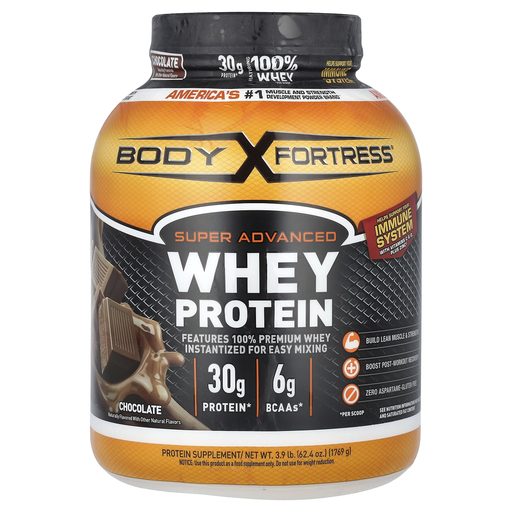
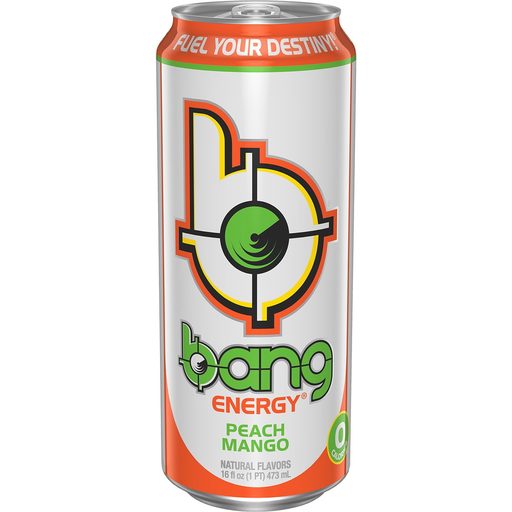
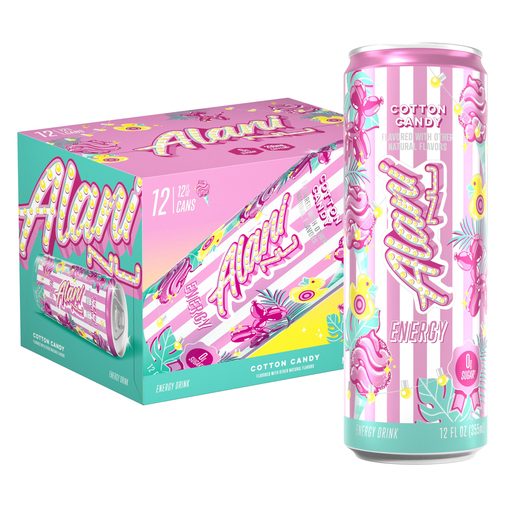
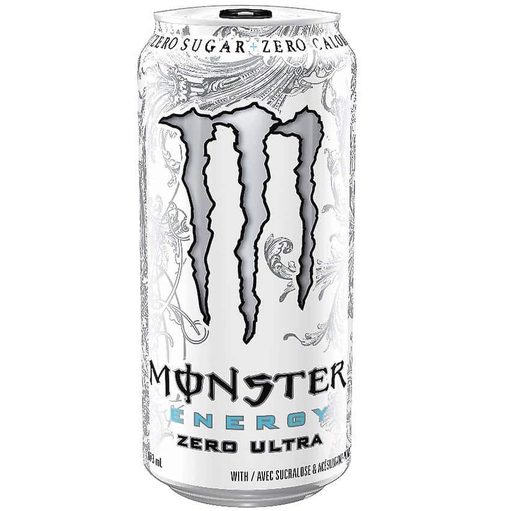






+ 1 more products in the Scout app
Scan any product to see every ingredient explained — and healthier swaps.
Download on theApp Store GET IT ONGoogle Play