


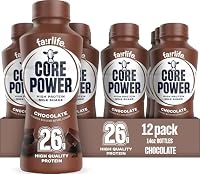
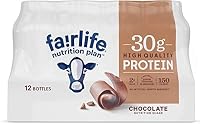
Fairlife CHOCOLATE 2% REDUCED FAT ULTRA-FILTERED MILK
At a glance
Summary
This chocolate milk is ultra-processed, containing multiple artificial additives such as acesulfame potassium and sucralose, which are used to enhance sweetness without adding calories but have potential health concerns. The presence of carrageenan as a thickener and stabilizer is controversial due to its possible inflammatory effects. While the ultra-filtered milk provides a good source of protein and calcium, the added sugar and artificial flavors detract from its overall nutritional quality.
Key ingredients 12
SugarBad
Refined sugar is associated with increased risk of obesity, diabetes, and heart disease. It provides empty calories without essential nutrients. Excessive consumption can lead to metabolic issues and dental problems.
Risks
High intake of refined sugar can contribute to weight gain, insulin resistance, and increased risk of chronic diseases.
Acesulfame potassiumBad
Acesulfame potassium is an artificial sweetener used to reduce sugar content while maintaining sweetness. Concerns exist about its long-term health effects. It is often used in combination with other sweeteners.
Risks
Potential health concerns include metabolic effects and altered gut microbiota.
Benefits
Provides sweetness without adding calories.
CarrageenanBad
Carrageenan is used as a thickener and stabilizer in dairy products. Some studies suggest it may cause digestive issues and inflammation. It is derived from red seaweed and is highly processed.
Risks
May cause gastrointestinal discomfort and inflammation in sensitive individuals.
Natural and artificial flavorsBad
Natural and artificial flavors are used to enhance taste but can obscure the quality of the base ingredients. They are highly processed and lack transparency. The term 'natural flavors' can include a wide range of substances.
Risks
Potential for allergic reactions and lack of transparency in ingredient sourcing.
SucraloseBad
Sucralose is an artificial sweetener that provides sweetness without calories. Concerns exist about its effects on gut health and insulin response. It is widely used in diet products.
Risks
May affect gut microbiota and insulin sensitivity.
Benefits
Provides sweetness without contributing to caloric intake.
Alkalized cocoaNeutral
Alkalized cocoa is processed to reduce acidity, which can diminish some antioxidant properties. It provides flavor and color to chocolate products. While it contains some beneficial compounds, the processing reduces its overall nutritional value.
Risks
Processing may reduce antioxidant levels compared to raw cocoa.
Benefits
Provides flavor and some antioxidants, though less than raw cocoa.
Lactase enzymeNeutral
Lactase enzyme is added to break down lactose, making the product suitable for lactose-intolerant individuals. It does not alter the nutritional profile of the milk. This enzyme aids in digestion for those with lactose intolerance.
Benefits
Facilitates digestion of lactose, making the product accessible to lactose-intolerant consumers.
Dipotassium phosphateNeutral
Dipotassium phosphate is used as a stabilizer and emulsifier in dairy products. It helps maintain texture and consistency. While generally recognized as safe, it provides no nutritional benefits.
Risks
Excessive consumption may lead to imbalances in mineral intake.
SaltNeutral
Salt is used to enhance flavor and preserve food. It is a common ingredient in processed foods. While necessary for bodily functions, excessive intake can lead to health issues.
Risks
High sodium intake is linked to hypertension and cardiovascular diseases.
Benefits
Essential for maintaining fluid balance and nerve function.
Vitamin A palmitateNeutral
Vitamin A palmitate is added to fortify milk with vitamin A, which is essential for vision and immune function. It is a synthetic form of vitamin A. While beneficial, excessive intake can lead to toxicity.
Risks
Excessive intake can lead to hypervitaminosis A.
Benefits
Supports vision, immune function, and skin health.
Reduced fat ultra-filtered milkGood
This milk is ultra-filtered to increase protein content and reduce sugar, making it a more nutritious option. The reduced fat content aligns with dietary guidelines for lower saturated fat intake. It provides essential nutrients like calcium and vitamin D.
Benefits
Rich in protein and essential nutrients such as calcium and vitamin D, supporting bone health and muscle maintenance.
Vitamin D3Good
Beneficial ingredient — whole-food or functional value in this product class.
Benefits
Essential for calcium absorption and bone health, supporting immune function.
Processing
Ultra-Processed Foods
Get the full breakdown in the Scout appTake Scout shopping
Scan any product to see lab results, healthy alternatives, and your personalized analysis.
Download on theApp Store GET IT ONGoogle PlayAmazon pricing & content
Amazon price as of . Product prices and availability are accurate as of the date/time indicated and are subject to change. Any price and availability information displayed on Amazon.com at the time of purchase will apply to the purchase of this product.
CERTAIN CONTENT THAT APPEARS ON THIS SITE COMES FROM AMAZON. THIS CONTENT IS PROVIDED “AS IS” AND IS SUBJECT TO CHANGE OR REMOVAL AT ANY TIME.