
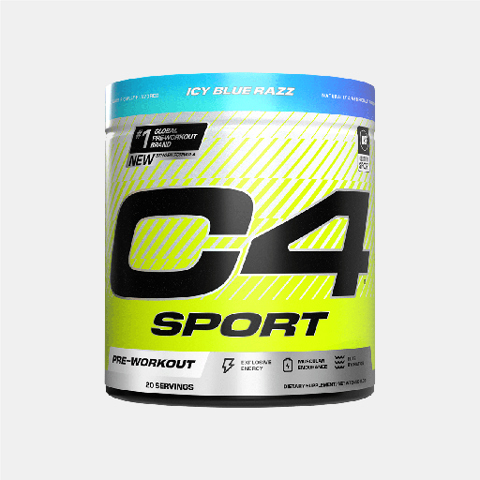
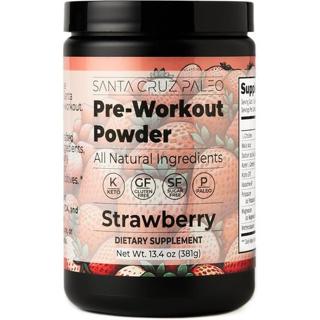
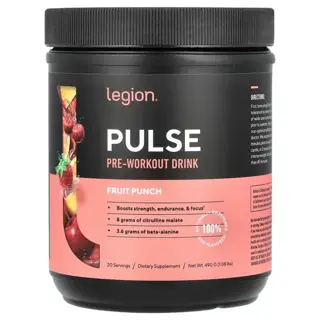
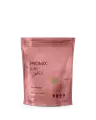
C4 Sport Pre-Workout
At a glance
Summary
C4 Sport Pre-Workout is the world's best-selling pre-workout by volume, but its ingredient quality tells a different story. It relies on proprietary blends that obscure actual dosing of its functional ingredients (beta-alanine, creatine HCl, taurine), while loading up on four harmful additives including FD&C Red #40 synthetic dye, two artificial sweeteners (sucralose and acesulfame potassium), and artificial flavors.
Key ingredients 16
FD&C Red #40Very Bad
FD&C Red #40 is a synthetic petroleum-derived food dye that has been linked to hyperactivity in children, potential carcinogenicity, and allergic reactions. It is banned or restricted in several European countries and serves no nutritional or functional purpose — it exists solely for cosmetic color. This is one of the most concerning additives found in any supplement.
Risks
Linked to hyperactivity and behavioral issues in children. Potential carcinogen. May cause allergic reactions. Banned or restricted in multiple European countries.
Benefits
None. Purely cosmetic colorant.
Artificial FlavorsBad
Artificial flavors are entirely synthetic chemical compounds created in laboratories to mimic natural tastes. They provide zero nutritional value and lack any transparency regarding their specific chemical composition.
Risks
May contain synthetic compounds that some individuals are sensitive to. Long-term effects of chronic consumption are not fully understood.
Benefits
Enhances taste and palatability.
SucraloseBad
Sucralose is a chlorinated artificial sweetener linked to disruption of the gut microbiome, potential insulin response issues, and generation of harmful compounds during metabolism. It is a heavily processed sugar derivative.
Risks
May disrupt gut microbiome balance, trigger insulin responses despite being zero-calorie, and produce harmful chlorinated compounds.
Benefits
Provides zero-calorie sweetness.
Acesulfame PotassiumBad
Acesulfame potassium (Ace-K) is an artificial sweetener that has been flagged for potential carcinogenicity concerns in some studies. Stacking two artificial sweeteners (with sucralose) compounds the negative impact on gut health and metabolic signaling.
Risks
Potential carcinogenicity concerns. May disrupt gut microbiome when combined with sucralose. Poorly studied for long-term safety.
Benefits
Provides zero-calorie sweetness.
L-ArginineNeutral
L-Arginine is a nitric oxide precursor, but it has poor oral bioavailability compared to L-Citrulline. It is largely considered an inferior and outdated ingredient in modern pre-workout formulation. Dose is unknown within the proprietary blend.
Risks
Poor oral bioavailability limits its effectiveness. May cause gastrointestinal discomfort at higher doses.
Benefits
Theoretically supports blood flow through nitric oxide production, but bioavailability issues limit practical benefit.
Caffeine AnhydrousNeutral
Synthetic dehydrated caffeine at 135mg per serving. Functional for energy but not plant-derived. A moderate dose that provides alertness without excessive stimulation.
Risks
May cause jitteriness or sleep disruption in caffeine-sensitive individuals.
Benefits
Provides energy and alertness for workout performance.
Vitamin B6 (Pyridoxine HCl)Neutral
Standard form of vitamin B6 at 200% daily value. Supports energy metabolism but the excessive dose provides no additional benefit as the body excretes the surplus.
Benefits
Supports energy metabolism and neurotransmitter production.
Vitamin B12 (Cyanocobalamin)Neutral
Cyanocobalamin is the synthetic, least bioavailable form of vitamin B12 at an excessive 2500% daily value. The body cannot utilize this amount and excretes the vast majority. Methylcobalamin would be a superior choice.
Benefits
Supports energy metabolism in its basic form.
Malic AcidNeutral
Malic acid is a naturally occurring organic acid used for flavor enhancement. Generally recognized as safe.
Benefits
Enhances flavor profile.
Citric AcidNeutral
Common acidulant for taste. Generally recognized as safe and occurs naturally in citrus fruits.
Benefits
Enhances flavor profile.
Silicon DioxideNeutral
Anti-caking agent commonly used in powdered supplements. Inert and generally recognized as safe.
Benefits
Prevents clumping and maintains product quality.
Calcium SilicateNeutral
Anti-caking agent used to maintain powder consistency. Inert and generally recognized as safe.
Benefits
Prevents clumping and maintains product quality.
CarnoSyn Beta-AlanineGood
CarnoSyn is a patented, clinically studied form of beta-alanine that buffers lactic acid to support muscular endurance. However, it is contained within a 3.18g proprietary blend shared with five other ingredients, making the actual dose unknown and likely well below the clinically validated 3.2g.
Risks
May cause temporary tingling sensation (paresthesia), which is harmless. Likely underdosed in this proprietary blend.
Benefits
Supports muscular endurance and delays fatigue during high-intensity exercise when dosed at clinical levels.
CON-CRET Creatine HClGood
CON-CRET is a patented creatine hydrochloride form with decent absorption characteristics. However, sharing a 3.18g proprietary blend with five other ingredients means the actual creatine dose is almost certainly sub-clinical, as effective creatine dosing requires 3-5g.
Risks
Likely underdosed within the proprietary blend, reducing its effectiveness.
Benefits
Supports strength, power output, and muscle recovery when dosed at clinical levels.
TaurineGood
Taurine is an amino acid that supports cardiovascular function, muscle contraction, and cellular hydration. Its dose is unknown within the 1.138g energy blend shared with three other ingredients.
Benefits
Supports heart function, muscle performance, and cellular hydration.
ElectrolytesGood
Beneficial ingredient — whole-food or functional value in this product class.
Benefits
Provides basic hydration support during exercise.
Processing
Ultra-Processed Foods
Get the full breakdown in the Scout appTake Scout shopping
Scan any product to see lab results, healthy alternatives, and your personalized analysis.
Download on theApp Store GET IT ONGoogle PlayAmazon pricing & content
Amazon price as of . Product prices and availability are accurate as of the date/time indicated and are subject to change. Any price and availability information displayed on Amazon.com at the time of purchase will apply to the purchase of this product.
CERTAIN CONTENT THAT APPEARS ON THIS SITE COMES FROM AMAZON. THIS CONTENT IS PROVIDED “AS IS” AND IS SUBJECT TO CHANGE OR REMOVAL AT ANY TIME.