Fiber One 70 Calorie Brownies Chocolate Fudge Snack Bars
Swap it for
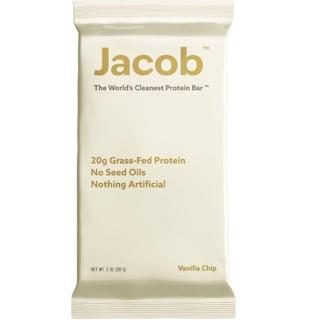
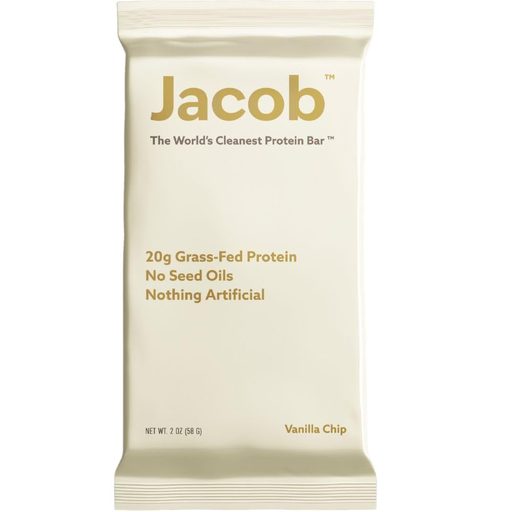 Jacob Protein Bar Jacob · 9 count View on Amazon · $49.99 See all Protein Bars, ranked
At a glance
Summary
This product is heavily processed, containing refined ingredients such as bleached wheat flour and canola oil, which are associated with inflammation and lack essential nutrients. The presence of multiple additives, including artificial sweeteners and emulsifiers, further contributes to its ultra-processed nature. Despite some beneficial ingredients like chicory root extract, the overall ingredient quality and processing level significantly lower its health rating. These are chocolate fudge brownie snack bars.
Key ingredients 29
Canola OilVery Bad
Canola oil is a seed oil high in omega-6 fatty acids, which may promote inflammation when consumed in excess. It is heavily processed and often refined using chemical solvents. Its use is discouraged due to potential health concerns.
Risks
High omega-6 content may promote inflammation when consumed in excess.
SugarBad
Refined sugar is a high-calorie sweetener with no nutritional benefits. It can contribute to weight gain and metabolic issues when consumed in excess. It is commonly used in processed foods for sweetness.
Risks
May contribute to weight gain and metabolic issues when consumed in excess.
Palm Kernel and Palm OilBad
Palm kernel and palm oil are high in saturated fats and are often associated with environmental concerns due to deforestation. They are commonly used in processed foods for their stability and texture. Their use is discouraged due to health and environmental concerns.
Risks
High in saturated fats, which may impact heart health negatively.
Benefits
Provides stability and texture to processed foods.
Soy LecithinBad
Soy lecithin is an emulsifier derived from soybeans, used to improve texture and consistency in foods. It is a processed ingredient and may contain traces of soy allergens. It is commonly used in processed foods.
Risks
May contain traces of soy allergens and is a processed ingredient.
Benefits
Improves texture and consistency in processed foods.
Natural FlavorBad
Natural flavors are additives used to enhance taste but lack transparency in their composition. They are highly processed and can contain a variety of chemical compounds. Their use is discouraged due to lack of transparency.
Risks
Lack of transparency in composition may pose allergy risks.
Wheat Flour BleachedNeutral
Bleached wheat flour is refined and lacks the nutritional benefits of whole grain flour. The bleaching process removes some nutrients, but it provides structure and texture to baked goods. It is a common ingredient in processed foods.
Risks
May contribute to blood sugar spikes due to its refined nature.
Benefits
Provides structure and texture to baked goods, making them more palatable.
AlluloseNeutral
Allulose is a low-calorie sweetener that mimics the taste of sugar without the calories. It is generally recognized as safe and does not raise blood sugar levels. It is often used in low-calorie and low-carb products.
Risks
Excessive consumption may cause gastrointestinal discomfort.
Benefits
Provides sweetness without the calories or blood sugar impact of regular sugar.
Cocoa Processed With AlkaliNeutral
Cocoa processed with alkali, also known as Dutch-processed cocoa, has a milder flavor and darker color. The alkalization process reduces acidity but may also reduce some antioxidant content. It is commonly used in chocolate-flavored products.
Risks
May contain reduced levels of antioxidants compared to natural cocoa.
Benefits
Provides a rich chocolate flavor and color to products.
Vegetable GlycerinNeutral
Vegetable glycerin is a humectant that helps retain moisture in foods. It is derived from plant oils and is generally recognized as safe. It is commonly used in food products to improve texture and shelf life.
Benefits
Helps retain moisture in foods, improving texture and shelf life.
SorbitolNeutral
Sorbitol is a sugar alcohol used as a low-calorie sweetener and humectant. It is less sweet than sugar and does not raise blood sugar levels significantly. It is often used in sugar-free and reduced-calorie products.
Risks
Excessive consumption may cause gastrointestinal discomfort.
Benefits
Provides sweetness with fewer calories and less impact on blood sugar levels.
PolydextroseNeutral
Polydextrose is a synthetic polymer of glucose used as a low-calorie bulking agent and fiber. It is generally recognized as safe and can help increase fiber content in foods. It is commonly used in reduced-calorie products.
Risks
Excessive consumption may cause digestive discomfort.
Benefits
Helps increase fiber content in foods without adding significant calories.
LeaveningNeutral
Leavening agents like baking soda and sodium aluminum phosphate are used to help baked goods rise. They are generally recognized as safe and are essential for texture in baked products. They are commonly used in processed foods.
Benefits
Essential for providing texture and volume in baked goods.
SaltNeutral
Salt is used to enhance flavor and preserve foods. It is a common culinary ingredient but should be consumed in moderation to avoid health issues. It is essential for flavor in many processed foods.
Risks
Excessive consumption may lead to high blood pressure and other health issues.
Benefits
Enhances flavor and acts as a preservative in foods.
Stevia LeafNeutral
Stevia leaf is a natural, zero-calorie sweetener that does not raise blood sugar levels. It is derived from the stevia plant and is considered safe for consumption. It is commonly used in sugar-free and low-calorie products.
Benefits
Provides sweetness without calories or blood sugar impact.
Locust Bean GumNeutral
Locust bean gum is a natural thickener derived from carob seeds. It is used to improve texture and stability in foods. It is generally recognized as safe and is commonly used in processed foods.
Benefits
Improves texture and stability in processed foods.
Xanthan GumNeutral
Xanthan gum is a polysaccharide used as a thickener and stabilizer in foods. It is produced through fermentation and is generally recognized as safe. It is commonly used in gluten-free and processed foods.
Risks
Excessive consumption may cause digestive discomfort.
Benefits
Improves texture and stability in foods, especially gluten-free products.
Calcium CarbonateNeutral
Calcium carbonate is a mineral used as a calcium supplement and acidity regulator. It is generally recognized as safe and can help increase calcium intake. It is commonly used in fortified foods.
Risks
Excessive intake may lead to hypercalcemia.
Benefits
Increases calcium intake, supporting bone health.
Milk PowderNeutral
Milk powder is a dehydrated form of milk that provides protein and calcium. It is used to enhance nutritional content and flavor in foods. It is commonly used in processed and fortified foods.
Risks
May cause allergic reactions in individuals with dairy allergies.
Benefits
Provides protein and calcium, enhancing nutritional content.
A B Vitamin (folic acid)Neutral
Standard formulation ingredient — neither beneficial nor harmful at typical use.
Risks
Excessive intake may mask vitamin B12 deficiency symptoms.
Benefits
Supports DNA synthesis and cell division, preventing folate deficiency.
Chicory Root ExtractGood
Chicory root extract is a natural source of inulin, a prebiotic fiber that supports gut health. It is minimally processed and provides dietary fiber that can aid digestion. Its inclusion in foods can help increase fiber intake without adding calories.
Risks
Excessive consumption may cause digestive discomfort in some individuals.
Benefits
Supports digestive health by promoting beneficial gut bacteria and increasing fiber intake.
Sugarcane FiberGood
Sugarcane fiber is a natural source of dietary fiber that can aid in digestion and promote satiety. It is minimally processed and adds bulk to foods without adding calories. It is beneficial for increasing fiber intake.
Benefits
Increases dietary fiber intake, which can aid digestion and promote a feeling of fullness.
Calcium CaseinateGood
Calcium caseinate is a protein derived from milk that provides a slow-release source of amino acids. It is beneficial for muscle maintenance and recovery. It is commonly used in protein supplements and fortified foods.
Risks
May cause allergic reactions in individuals with dairy allergies.
Benefits
Provides a slow-release source of amino acids beneficial for muscle maintenance and recovery.
Whey Protein ConcentrateGood
Whey protein concentrate is a high-quality protein source rich in essential amino acids. It supports muscle growth and repair and is easily digestible. It is commonly used in protein supplements and fortified foods.
Risks
May cause allergic reactions in individuals with dairy allergies.
Benefits
Supports muscle growth and repair with a rich amino acid profile.
Cocoa PowderGood
Beneficial ingredient — whole-food or functional value in this product class.
Risks
May contain reduced levels of antioxidants if heavily processed.
Benefits
Provides flavor and color, with potential antioxidant benefits.
Egg WhiteGood
Egg white is a high-quality protein source that is low in calories and fat. It provides essential amino acids and is easily digestible. It is commonly used in protein-rich and low-fat foods.
Risks
May cause allergic reactions in individuals with egg allergies.
Benefits
Provides high-quality protein with essential amino acids and low calories.
Iron and ZincGood
Iron and zinc are essential minerals that support various bodily functions, including immune health and oxygen transport. They are often added to foods to prevent deficiencies. Their inclusion in foods can help meet daily nutritional requirements.
Risks
Excessive intake may lead to toxicity.
Benefits
Supports immune health and oxygen transport, preventing mineral deficiencies.
A B Vitamin (niacinamide)Good
Niacinamide is a form of vitamin B3 that supports energy metabolism and skin health. It is often added to foods to prevent deficiencies. Its inclusion can help meet daily vitamin B3 requirements.
Risks
Excessive intake may cause skin flushing and liver issues.
Benefits
Supports energy metabolism and skin health, preventing vitamin B3 deficiency.
Vitamin B6 (pyridoxine hydrochloride)Good
Vitamin B6 is essential for protein metabolism and cognitive development. It is often added to foods to prevent deficiencies. Its inclusion can help meet daily vitamin B6 requirements.
Risks
Excessive intake may cause nerve damage.
Benefits
Supports protein metabolism and cognitive development, preventing vitamin B6 deficiency.
Vitamin B2 (riboflavin)Good
Riboflavin is a B vitamin that supports energy production and cellular function. It is often added to foods to prevent deficiencies. Its inclusion can help meet daily vitamin B2 requirements.
Risks
Excessive intake may cause urine discoloration.
Benefits
Supports energy production and cellular function, preventing vitamin B2 deficiency.
Processing
Ultra-Processed Foods
Get the full breakdown in the Scout appTake Scout shopping
Scan any product to see lab results, healthy alternatives, and your personalized analysis.
Are you Fiber One? Fix an error Get the badge Get tested
Amazon pricing & content
Amazon price for Jacob Protein Bar as of . Product prices and availability are accurate as of the date/time indicated and are subject to change. Any price and availability information displayed on Amazon.com at the time of purchase will apply to the purchase of this product.
CERTAIN CONTENT THAT APPEARS ON THIS SITE COMES FROM AMAZON. THIS CONTENT IS PROVIDED “AS IS” AND IS SUBJECT TO CHANGE OR REMOVAL AT ANY TIME.