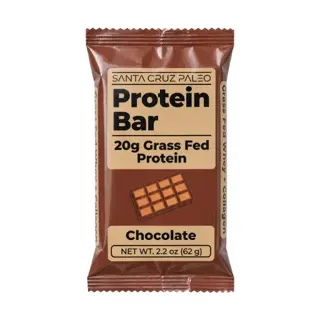
Barebells Cookies & Caramel Protein Bar
Swap it for
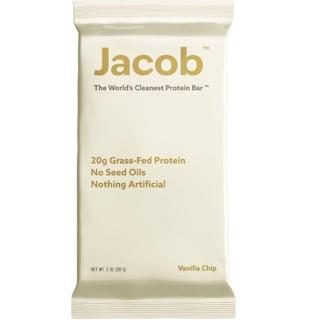
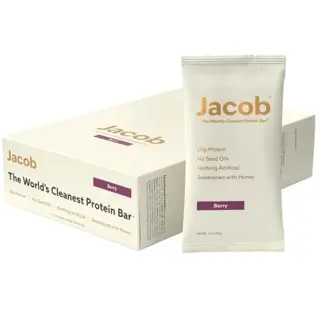
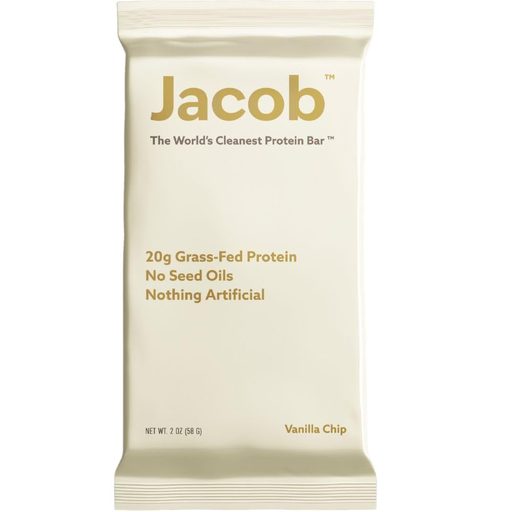 Jacob Protein Bar Jacob · 9 count View on Amazon · $49.99 See all Protein Bars, ranked
At a glance
Summary
This protein bar is ultra-processed and contains several concerning ingredients, including sunflower oil, soy protein isolate, and artificial sweeteners like sucralose. While it provides a high protein content from milk protein blend and bovine collagen, the presence of seed oils and artificial additives detracts from its overall healthiness. The processing level and use of multiple additives further limit its score.
Key ingredients 17
Sunflower oilVery Bad
Sunflower oil is a seed oil high in omega-6 fatty acids, which can promote inflammation when consumed in excess. It is often extracted using high heat and chemicals, which may degrade its nutritional quality. Its high omega-6 content is a concern for balanced fatty acid intake.
Risks
High omega-6 content may promote inflammation when consumed in excess.
MaltitolBad
Maltitol is a sugar alcohol used as a sugar substitute, which can cause digestive issues in some individuals. It is less caloric than sugar but can still impact blood sugar levels. Overconsumption may lead to laxative effects.
Risks
May cause gastrointestinal discomfort and laxative effects when consumed in large amounts.
Benefits
Provides sweetness with fewer calories than sugar, making it useful for reducing caloric intake.
Soy protein isolateBad
Soy protein isolate is a highly processed form of soy protein that may contain anti-nutrients affecting mineral absorption. It is less bioavailable compared to animal-based proteins. Concerns exist regarding its phytoestrogen content and potential allergenicity.
Risks
May affect hormone balance due to phytoestrogens and can be an allergen.
Benefits
Provides a plant-based protein source with a complete amino acid profile.
Natural and artificial flavorsBad
Natural and artificial flavors are used to enhance taste but offer no nutritional value. They are highly processed and can contain undisclosed chemical compounds. The lack of transparency in their composition raises health concerns.
Risks
Potential for undisclosed allergens and chemical additives.
Sunflower lecithinBad
Sunflower lecithin is an emulsifier used to improve texture and mixability. It is a processed ingredient that can contain residues from extraction processes. While less concerning than seed oils, it still lacks significant nutritional benefits.
Risks
May contain residues from processing and extraction.
Benefits
Improves texture and mixability in food products.
SucraloseBad
Sucralose is an artificial sweetener that provides sweetness without calories. It is highly processed and may affect gut health and insulin response. Concerns exist regarding its long-term health effects.
Risks
May impact gut microbiota and insulin sensitivity.
Benefits
Provides sweetness without adding calories, useful for reducing sugar intake.
GlycerinNeutral
Glycerin is used as a humectant to retain moisture in the product. It is generally recognized as safe and has no significant nutritional value. It is a sugar alcohol that does not significantly impact blood sugar levels.
Risks
Excessive consumption may cause digestive discomfort.
Benefits
Helps maintain product texture and moisture without adding sugar.
PolydextroseNeutral
Polydextrose is a synthetic polymer of glucose used as a fiber supplement and bulking agent. It is low in calories and can aid in digestive health. It is generally recognized as safe but offers limited nutritional benefits.
Risks
Excessive intake may lead to bloating and gas.
Benefits
Can contribute to dietary fiber intake, supporting digestive health.
Dry whole milkNeutral
Dry whole milk is a dehydrated form of milk that retains most of its nutrients. It provides protein, calcium, and vitamins but is also a source of saturated fat. It is used to enhance flavor and nutritional content.
Risks
Potential allergen for those with lactose intolerance or milk allergies.
Benefits
Provides essential nutrients like calcium and protein, supporting bone health.
WaterNeutral
Water is used as a solvent and to maintain moisture in the product. It is essential for hydration and has no caloric content. It is a basic ingredient with no processing concerns.
Benefits
Essential for hydration and maintaining product texture.
Cocoa processed with alkaliNeutral
Cocoa processed with alkali, also known as Dutch-processed cocoa, has a milder flavor and darker color. The alkalization process reduces acidity but may also decrease antioxidant content. It is used to enhance flavor and color in products.
Risks
May have reduced antioxidant content compared to natural cocoa.
Benefits
Provides a rich flavor and color to products.
Tapioca starchNeutral
Tapioca starch is a gluten-free thickening agent derived from cassava root. It is minimally processed and used to improve texture and consistency. It has no significant nutritional value but is a useful ingredient for texture enhancement.
Benefits
Provides a gluten-free option for thickening and improving texture.
SaltNeutral
Salt is used to enhance flavor and preserve the product. It is a basic culinary ingredient with no processing concerns. While essential for bodily functions, excessive intake can lead to health issues.
Risks
Excessive consumption may contribute to high blood pressure.
Benefits
Essential for maintaining electrolyte balance and enhancing flavor.
Milk protein blendGood
Milk protein blend provides a high-quality source of protein with a complete amino acid profile. It includes calcium caseinate, whey protein concentrate, and whey protein isolate, which are beneficial for muscle repair and growth. These proteins are derived from milk, offering superior bioavailability compared to plant-based proteins.
Risks
Potential allergen for individuals with dairy sensitivities or lactose intolerance.
Benefits
Excellent source of complete protein, supporting muscle maintenance and growth. Contains essential amino acids necessary for various bodily functions.
Bovine collagen hydrolysateGood
Bovine collagen hydrolysate is a source of collagen peptides that support skin, joint, and bone health. It is derived from cow hides and is easily absorbed by the body. Collagen supplementation can improve skin elasticity and joint function.
Benefits
Supports skin health, joint function, and may improve bone density.
Cocoa butterGood
Cocoa butter is a natural fat extracted from cocoa beans, rich in healthy fats. It is minimally processed and contains antioxidants that may support heart health. It provides a creamy texture and flavor to products.
Benefits
Rich in healthy fats and antioxidants, supporting heart health and providing a pleasant texture.
Unsweetened chocolateGood
Unsweetened chocolate is made from pure cocoa solids and cocoa butter, providing antioxidants and healthy fats. It is minimally processed and can support heart health. Its rich flavor enhances the taste of products without added sugars.
Benefits
Rich in antioxidants and healthy fats, supporting heart health and providing a rich flavor.
Processing
Ultra-Processed Foods
Get the full breakdown in the Scout appTake Scout shopping
Scan any product to see lab results, healthy alternatives, and your personalized analysis.
Are you Barebells? Fix an error Get the badge Get tested
Amazon pricing & content
Amazon price for Jacob Protein Bar as of . Product prices and availability are accurate as of the date/time indicated and are subject to change. Any price and availability information displayed on Amazon.com at the time of purchase will apply to the purchase of this product.
CERTAIN CONTENT THAT APPEARS ON THIS SITE COMES FROM AMAZON. THIS CONTENT IS PROVIDED “AS IS” AND IS SUBJECT TO CHANGE OR REMOVAL AT ANY TIME.