Ingredient
Glycerin
What is Glycerin?
Glycerin, also known as glycerol, is a colorless, odorless liquid derived from both natural and synthetic sources. It is produced through the hydrolysis of fats and oils or as a byproduct in soap making and biodiesel production.
In food products, glycerin is used as a humectant, sweetener, and solvent. It helps retain moisture, which can extend the shelf life of products like baked goods and candies. Despite being sweet, it has a relatively low impact on blood sugar levels compared to sugars, making it a common sugar substitute in low-carb and sugar-free products.
When considering glycerin on a label, it's useful to know its source—whether plant, animal, or synthetic—as this can be important for dietary restrictions and preferences.
Commonly found in: protein bars, baked goods, candies, cosmetics, pharmaceuticals
Benefits
- Glycerin helps maintain moisture levels in foods, improving texture and extending shelf life.
- As a sugar substitute, glycerin has a lower glycemic index, making it suitable for reducing sugar intake.
Glycerin is generally recognized as safe (GRAS) by the FDA for use in food, cosmetics, and pharmaceuticals.
Research supports glycerin's use as a safe food additive and sugar substitute with minimal impact on blood sugar.
Glycerin can be vegan if derived from plant sources; however, animal-derived glycerin also exists.
Sources: Everything Added to Food in the United States (EAFUS): Glycerin · Humectant Properties of Glycerol
Scout's take
Humectant that draws moisture to the skin — a beneficial base ingredient.
The case against
There are no significant risks associated with glycerin in cosmetics.
from the analysis of Saltair Multi-Lipid Replenishing Body Butter - Salt Water Vanilla · echoed in 8 other analysesThere are minimal risks associated with glycerin, primarily related to potential skin irritation in very sensitive individuals.
from the analysis of Sol De Janeiro Brazilian Bum Bum Cream · echoed in 6 other analysesThere are no significant risks associated with glycerin in cosmetic formulations.
from the analysis of Innersense Organic Beauty - Natural Pure Harmony Hairbath Shampoo · echoed in 6 other analysesThere are minimal risks associated with glycerin, though overuse can potentially lead to a sticky feeling on the skin.
from the analysis of Avene Tolerance Foaming Facial Cleanser · echoed in 3 other analysesGlycerin is generally safe, but in rare cases, it may cause irritation if used in high concentrations.
from the analysis of Aveeno Kids Continuous Protection Sensitive Skin Sunscreen Broad Spectrum SPF 50 / LOTION · echoed in 2 other analysesThe case for
It helps maintain skin hydration and can improve the skin's natural barrier function.
from the analysis of Aveeno Kids Continuous Protection Sensitive Skin Sunscreen Broad Spectrum SPF 50 / LOTION · echoed in 7 other analysesIt helps to maintain skin hydration and improves the texture of the product.
from the analysis of Little Seed Farm All Natural Deodorant Cream Aluminum Free Deodorant for Women · echoed in 4 other analysesGlycerin helps to keep the skin hydrated and soft, enhancing the overall texture and appearance of the skin.
from the analysis of Cocokind Electrolyte Water Cream - : Face Moisturizer, No Fragrance Added, For Combination Skin · echoed in 3 other analysesGlycerin helps to maintain the skin's moisture balance and improve skin barrier function.
from the analysis of Saltair Multi-Lipid Replenishing Body Butter - Salt Water Vanilla · echoed in 1 other analysisIt provides excellent hydration and helps to maintain skin moisture balance.
from the analysis of e.l.f. Squeeze Me Lip Balm - Strawberry · echoed in 1 other analysisMore from Scout's analyses
Humectant / hydrating sugar or amino acid — draws moisture to skin.
from the analysis of W3LL People Bio Tint SPF 30 Tinted MoisturizerGlycerin is a humectant that attracts moisture to the skin, helping to keep it hydrated. It is widely used in skincare products due to its moisturizing properties. It can improve skin barrier function and skin elasticity.
from the analysis of Aveeno Kids Continuous Protection Sensitive Skin Sunscreen Broad Spectrum SPF 50 / LOTIONHumectant that draws water into the skin; offsets alcohol's drying effect. Safe, well-tolerated, and biodegradable.
from the analysis of Pipette Mineral Sunscreen SPF 50Found in 175 products





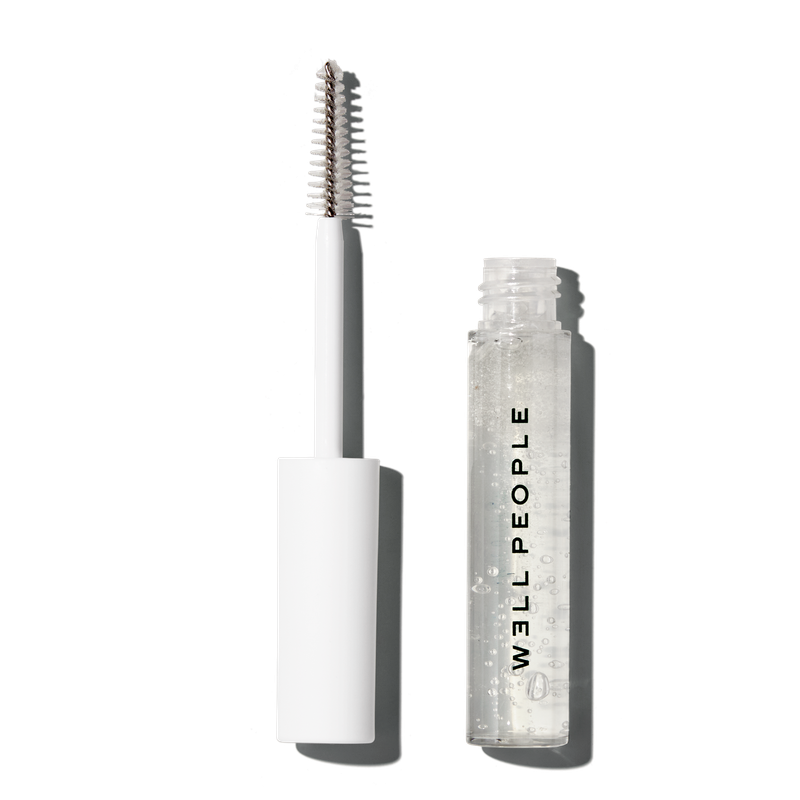

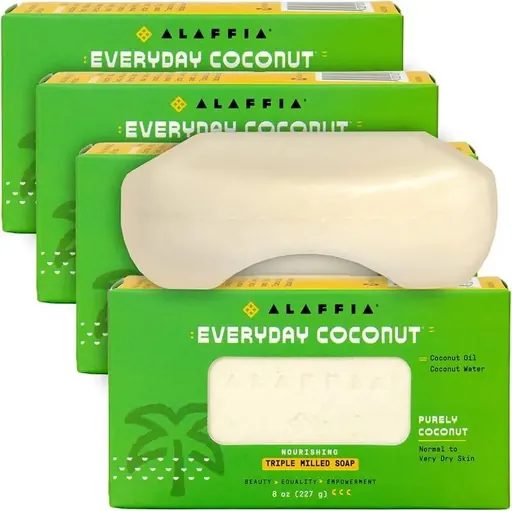
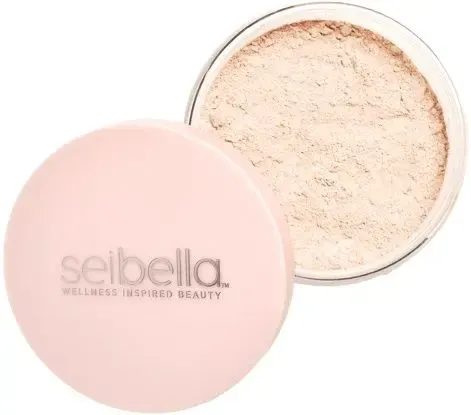
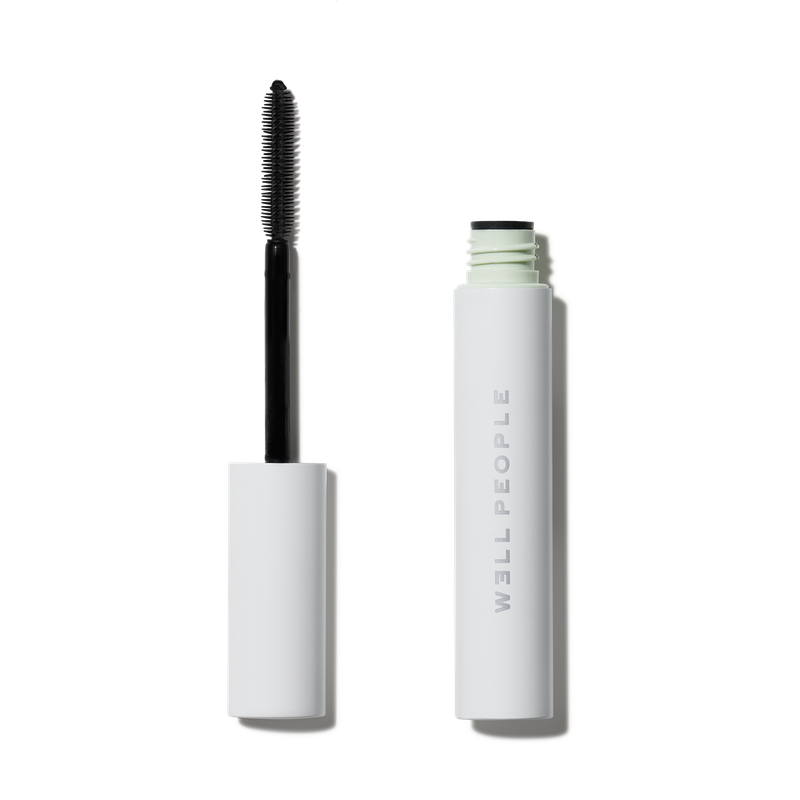


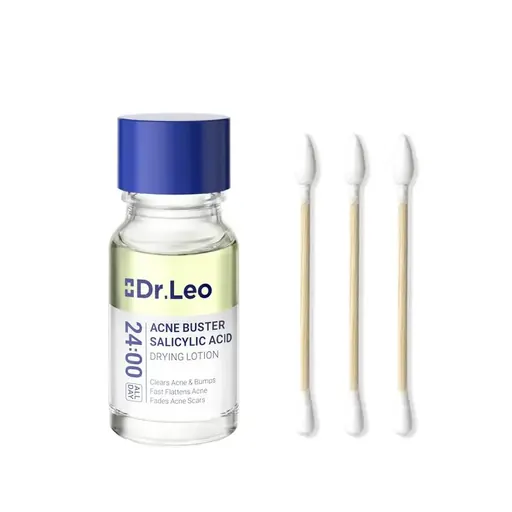


+ 151 more products in the Scout app
Scan any product to see every ingredient explained — and healthier swaps.
Download on theApp Store GET IT ONGoogle Play