
Ingredient
Cheese cultures
What is Cheese cultures?
Cheese cultures are live bacterial cultures essential in cheese production. They consist of specific strains of bacteria that contribute to the fermentation process, leading to the development of the cheese's flavor, texture, and aroma.
The primary role of cheese cultures is to acidify milk, which helps in coagulating the proteins and results in various cheese textures. While largely safe for consumption, the specific effects on health can vary depending on the bacteria strains and individual dietary tolerances.
When you see cheese cultures on a label, they're typically responsible for the fermentation process that defines the cheese's characteristics and not an additive in the traditional sense.
Commonly found in: Cheese, Yogurt, Buttermilk, Cultured Cream, Cottage Cheese
Benefits
- They help produce probiotics that can be beneficial for gut health.
Cheese cultures are generally recognized as safe (GRAS) and commonly used in food production.
Some research suggests probiotics from certain cheese cultures may have gut health benefits, but findings are not universally agreed upon.
Cheese cultures are derived from dairy and thus not suitable for a vegan diet.
Sources: Overview of Cheese Cultures
Scout's take
Cheese cultures are beneficial bacteria that aid in the fermentation process, enhancing flavor and texture. They contribute to the development of probiotics, which support gut health. The use of specific cultures can influence the cheese's characteristics, making it unique and flavorful.
The case for
Aid in the fermentation process, contributing to the development of flavor and texture in cheese.
from the analysis of Galbani STRING CHEESE · echoed in 2 other analysesSupports gut health through the development of probiotics. Enhances flavor and texture of the cheese.
from the analysis of Cabot Vermont Sharp CheddarMay support digestive health through probiotic activity and improve cheese flavor and texture.
from the analysis of Cabot Creamery CABOT, PREMIUM PEPPER JACK CHEESEContribute to the development of flavor and texture in cheese, enhancing its overall quality.
from the analysis of VALBRESO FRENCH SOFT SHEEP MILK CHEESE IN BRINESupports digestive health through probiotic content and enhances cheese flavor.
from the analysis of Sierra Nevada Raw Milk CheddarMore from Scout's analyses
Cheese cultures are bacteria used in the fermentation process to develop flavor and texture in cheese. They are essential for the cheese-making process but do not provide direct nutritional benefits. The cultures help in the breakdown of lactose, making the cheese more digestible for some people.
from the analysis of Galbani STRING CHEESECheese cultures are used to ferment milk, aiding in the development of flavor and texture in cheese. They are essential for the cheese-making process but do not provide significant nutritional benefits on their own. The cultures contribute to the unique characteristics of the cheese.
from the analysis of Président Soft-Ripened BrieCheese cultures are essential for the fermentation process, contributing to flavor and texture development. They are naturally occurring bacteria used in cheese production. These cultures are crucial for transforming milk into cheese but do not provide direct nutritional benefits.
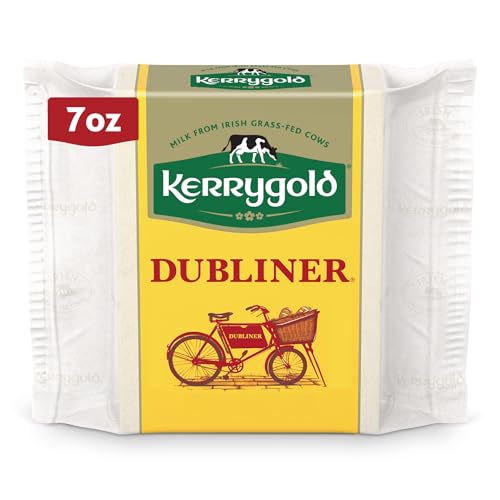
from the analysis of Kerrygold Dubliner CheeseFound in 8 products





Scan any product to see every ingredient explained — and healthier swaps.
Download on theApp Store GET IT ONGoogle Play