Ingredient
Enzymes
What is Enzymes?
Enzymes are proteins that act as catalysts in biochemical reactions, increasing the rate at which reactions occur without being consumed in the process. They are produced naturally by living organisms and can also be manufactured through fermentation processes using bacteria, fungi, or plants.
In the food industry, enzymes are used to enhance flavor, improve texture, and aid in food processing, such as in cheese-making where they help coagulate milk. While naturally occurring, their addition as an isolated ingredient may raise concerns about food processing.
When you see enzymes on a label, they are usually included to improve the consistency or flavor profile of a product. They are generally recognized as safe, though some specific types, like microbial enzymes, may be preferable due to dietary or ethical considerations.
Commonly found in: Cheese, Bread, Juices, Beer, Crackers, Yogurt
Benefits
- Facilitate the breakdown of complex molecules, enhancing digestibility.
- Can improve the efficiency and yield of food production processes.
Enzymes are generally recognized as safe (GRAS) when used in food.
Research supports the role of enzymes in improving food quality and digestibility, with few reported health concerns.
Some enzymes are derived from animal sources, but microbial enzymes provide a vegan-friendly option.
Sources: GRAS for Enzymes · Enzymes in Food Processing
Scout's take
Standard formulation ingredient — neither beneficial nor harmful at typical use.
The case for
Facilitates the cheese-making process by aiding in milk coagulation and curd formation.
from the analysis of Président Soft-Ripened Brie · echoed in 2 other analysesEssential for the cheese-making process, aiding in the coagulation of milk and development of cheese texture.
from the analysis of Galbani STRING CHEESE · echoed in 1 other analysisFacilitates the cheese-making process and enhances flavor development.
from the analysis of Sierra Nevada Raw Milk Cheddar · echoed in 1 other analysisEnhances dough handling and improves bread quality.
from the analysis of Essential Baking San Francisco Style Sourdough, Artisan Bread · echoed in 1 other analysisEnzymes are crucial for transforming milk into cheese, contributing to texture and flavor development.
from the analysis of Tillamook SHARP CHEDDAR CHEESEMore from Scout's analyses
Enzymes are used in cheese making to coagulate milk, forming curds and whey. They are crucial for the cheese-making process but do not contribute significant nutritional value. The use of enzymes helps in developing the texture and flavor of the cheese.
from the analysis of Galbani STRING CHEESEEnzymes are used to improve dough handling and bread texture. They are naturally occurring proteins that do not provide nutritional benefits. Enzymes can enhance the quality and shelf life of baked goods.
from the analysis of DAVE'S KILLER BREAD, ORGANIC GOOD SEED BREADEnzymes are used in food processing to aid in breaking down ingredients and improving texture. They are generally considered safe and are naturally occurring proteins. While they play a functional role in food production, they do not contribute significant nutritional benefits.
from the analysis of Back To Nature Crackers Classic RoundFound in 28 products

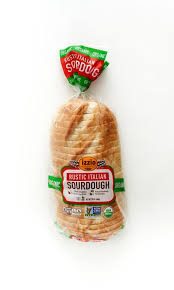
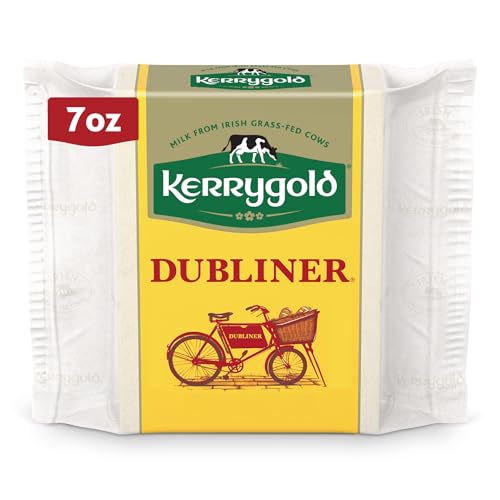


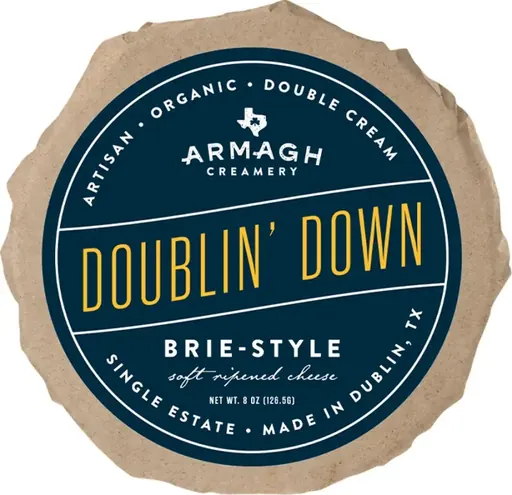

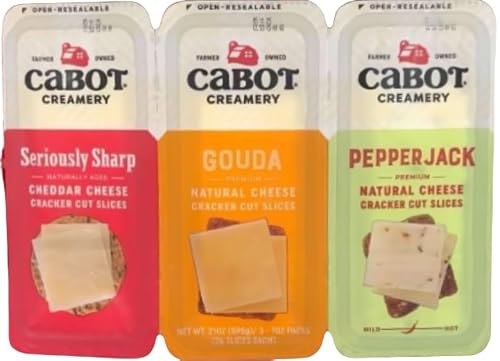




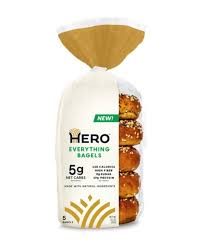
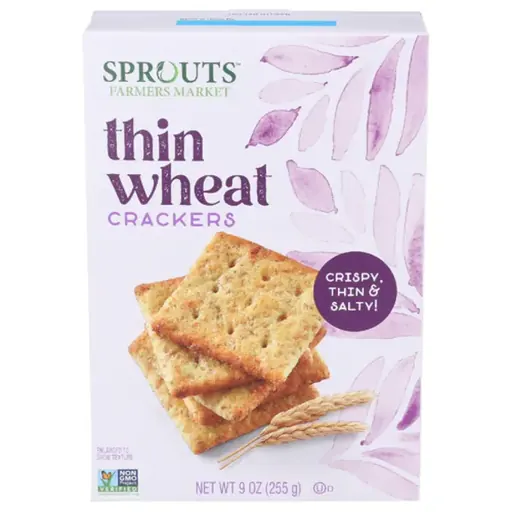
+ 4 more products in the Scout app
Scan any product to see every ingredient explained — and healthier swaps.
Download on theApp Store GET IT ONGoogle Play