Artesano Bakery Bread
Swap it for
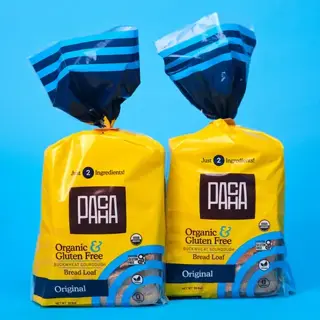
 PACHA Organic & Gluten Free Buckwheat Sourdough Bread Pacha · 22 oz View on Amazon See all Bread, ranked
At a glance
Summary
This bread is heavily processed, containing enriched wheat flour and soybean oil, which are both associated with negative health impacts. The presence of sugar and soy lecithin further contributes to its ultra-processed nature, limiting its nutritional value. Despite having a relatively short ingredient list, the use of refined ingredients and seed oils significantly lowers its health score.
Key ingredients 11
Vegetable oilVery Bad
Vegetable oil, specifically soybean oil, is a seed oil high in omega-6 fatty acids, which can promote inflammation when consumed in excess. It is often highly processed and refined, which can reduce its nutritional quality. The high omega-6 content is a concern for maintaining a balanced omega-3 to omega-6 ratio.
Risks
High omega-6 content may promote inflammation when consumed in excess.
Enriched wheat flourBad
Refined grain flour stripped of bran and germ.
Risks
May contribute to blood sugar spikes due to its refined nature and lack of fiber.
Benefits
Provides essential nutrients such as iron and B vitamins, which are important for energy metabolism and overall health.
SugarBad
Sugar is a refined carbohydrate that provides sweetness and aids in yeast fermentation. However, it can contribute to increased calorie intake and potential blood sugar spikes. Excessive consumption of sugar is linked to various health issues, including obesity and diabetes.
Risks
High intake of sugar can lead to obesity, diabetes, and other metabolic disorders.
Benefits
Provides energy and aids in the fermentation process, enhancing the texture and flavor of bread.
Soy lecithinBad
Soy lecithin is an emulsifier derived from soybeans, used to improve texture and extend shelf life. It is a processed ingredient that may contain traces of soy allergens. While it is generally considered safe, it is not nutritionally beneficial.
Risks
May contain traces of soy allergens, which can cause reactions in sensitive individuals.
Benefits
Improves texture and extends shelf life of baked goods.
WaterNeutral
Water is a neutral ingredient used as a solvent and to provide moisture in bread. It is essential for the dough formation and baking process. It does not contribute any calories or nutrients.
See more about Water →YeastNeutral
Yeast is a microorganism used in baking to leaven bread, making it rise and become fluffy. It is a natural ingredient that contributes to the texture and flavor of bread. Yeast fermentation can also enhance the nutritional profile of bread by producing B vitamins.
Benefits
Contributes to the leavening and flavor of bread, and can enhance the nutritional profile by producing B vitamins.
Wheat glutenNeutral
Wheat gluten is a protein found in wheat that provides elasticity and structure to bread. It is essential for the texture of many baked goods. While it is a good source of protein, it can cause issues for individuals with gluten intolerance or celiac disease.
Risks
Can cause adverse reactions in individuals with gluten intolerance or celiac disease.
Benefits
Provides protein and contributes to the structure and texture of bread.
SaltNeutral
Salt is used in bread to enhance flavor and control yeast activity. It is a common culinary ingredient that does not provide significant nutritional benefits. Excessive salt intake can lead to health issues such as hypertension.
Risks
Excessive consumption can lead to hypertension and cardiovascular issues.
Benefits
Enhances flavor and helps control yeast activity in bread.
Cultured wheat flourNeutral
Cultured wheat flour is treated with bacterial cultures to extend shelf life and improve flavor. It is a natural preservative alternative to chemical additives. It does not significantly alter the nutritional profile of the bread.
Benefits
Acts as a natural preservative and can enhance the flavor profile of bread.
Citric acidNeutral
Citric acid is a natural preservative and flavor enhancer commonly used in food products. It is generally recognized as safe and does not pose significant health risks. It can help maintain the freshness and flavor of bread.
Benefits
Helps maintain freshness and enhances flavor in food products.
EnzymesNeutral
Enzymes are used in baking to improve dough handling and bread quality. They are naturally occurring proteins that facilitate biochemical reactions. Enzymes are generally considered safe and do not contribute calories or nutrients.
Benefits
Improve dough handling and enhance bread quality without adding calories.
Processing
Ultra-Processed Foods
Get the full breakdown in the Scout appTake Scout shopping
Scan any product to see lab results, healthy alternatives, and your personalized analysis.
Are you Artesano? Fix an error Get the badge Get tested
Amazon pricing & content
CERTAIN CONTENT THAT APPEARS ON THIS SITE COMES FROM AMAZON. THIS CONTENT IS PROVIDED “AS IS” AND IS SUBJECT TO CHANGE OR REMOVAL AT ANY TIME.