Ingredient
Enriched Wheat Flour
What is Enriched Wheat Flour?
Enriched wheat flour is a type of refined flour that has had certain nutrients added back after processing. Typically, this includes iron, and B vitamins like riboflavin, niacin, thiamine, and sometimes folic acid, to replace those lost during refinement. It is made by milling wheat grains to remove the bran and germ, leaving mostly the starchy endosperm.
This flour is widely used in baking and packaged foods due to its fine texture and predictable baking qualities. While enrichment replaces some nutrients, it lacks the fiber and other components found in whole grain flour. The health implications are mixed; some studies suggest that consuming refined grains may be linked with a higher risk of heart disease and type 2 diabetes, while others emphasize the benefits of enriched nutrients like folic acid.
When you see 'enriched wheat flour' on labels, it's a refined grain product. It's worth keeping in mind that while it provides certain vitamins and minerals, it doesn't offer the same fiber content or nutritional benefits as whole grain alternatives.
Commonly found in: Bread, Pasta, Cookies, Cakes, Crackers
What to watch
- Refined grains have been associated with increased risk of metabolic syndrome.
- Enriched wheat flour is lower in fiber compared to whole grain flour.
Benefits
- Enrichment restores some B vitamins and iron lost in the refining process.
- Consumption of folic acid through enriched flour can help prevent neural tube defects in pregnancy.
The FDA mandates enrichment of refined flour with certain vitamins and minerals to prevent deficiencies in the population.
Research shows mixed results; while enriched flour provides important nutrients, refined grains may impact health negatively when consumed in large amounts.
Enriched wheat flour is plant-based and generally considered vegan.
Sources: Food Fortification: The Evidence, Ethics, and Politics of Adding Nutrients to Food · Effects of whole grains versus refined grains on coronary heart disease: A meta-analysis
Scout's take
Refined grain flour stripped of bran and germ.
The case against
May contribute to blood sugar spikes and lacks the nutritional benefits of whole grains.
from the analysis of PEPPERIDGE FARM COOKIES · echoed in 4 other analysesMay contribute to blood sugar spikes due to its refined nature and lack of fiber.
from the analysis of Dot's Homestyle Pretzels HOMESTYLE PRETZELSThe case for
Provides some essential vitamins and minerals due to fortification, but lacks the benefits of whole grains.
from the analysis of Pepperidge Farm Farmhouse SOURDOUGH BREADProvides a source of carbohydrates for energy but lacks significant nutritional benefits.
from the analysis of PEPPERIDGE FARM COOKIESProvides essential vitamins and minerals such as iron and B vitamins due to enrichment.
from the analysis of Dot's Homestyle Pretzels HOMESTYLE PRETZELSContains added nutrients such as iron and B vitamins, which are beneficial for health.
from the analysis of Back To Nature Cheezy CrackersProvides a source of carbohydrates and some added vitamins and minerals.
from the analysis of PEPPERIDGE FARM CRACKERSMore from Scout's analyses
Enriched wheat flour is refined and lacks the fiber and nutrients found in whole grains. It is often fortified with synthetic vitamins to replace lost nutrients. The refining process can lead to rapid spikes in blood sugar levels.
from the analysis of PEPPERIDGE FARM COOKIESEnriched wheat flour is highly processed and stripped of natural nutrients, which can contribute to less healthy eating choices.
from the analysis of Good & Gather Mini Peanut Butter Filled PretzelsRefined wheat flour stripped of nutrients, fortified with synthetic vitamins.
from the analysis of Sara Lee Artesano OriginalFound in 30 products
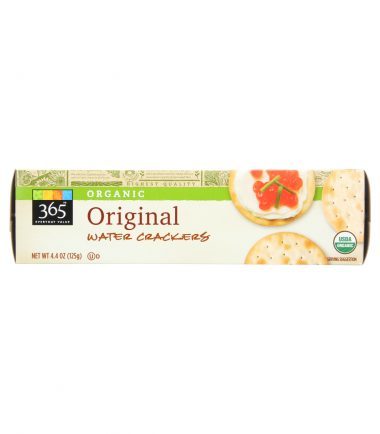








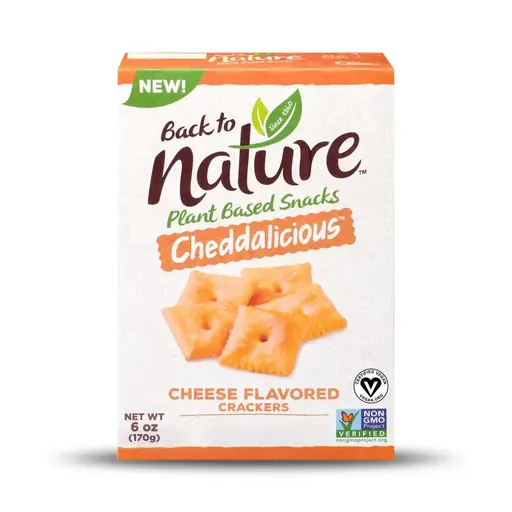
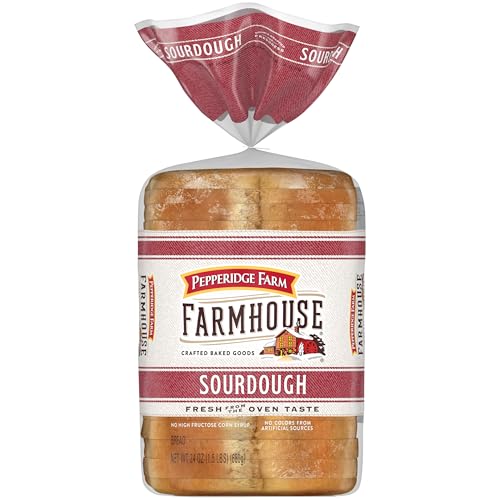

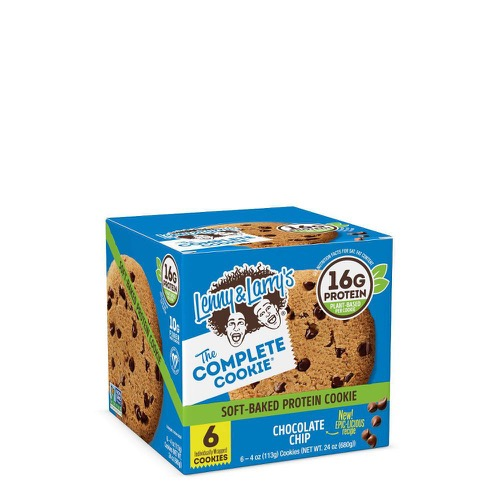
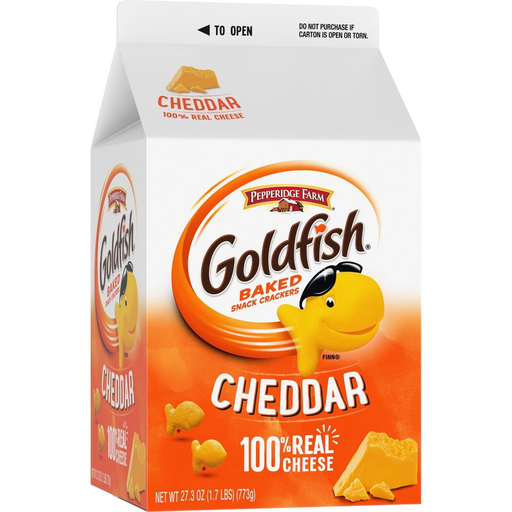


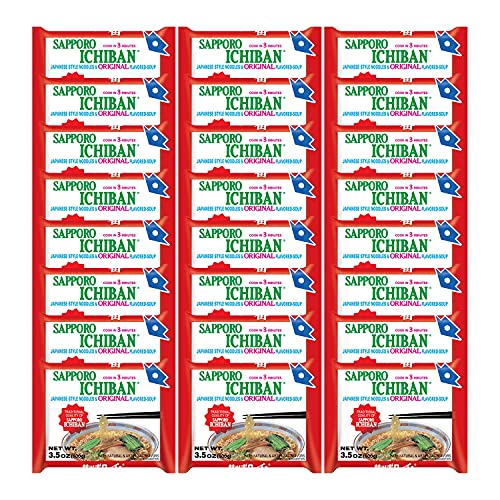
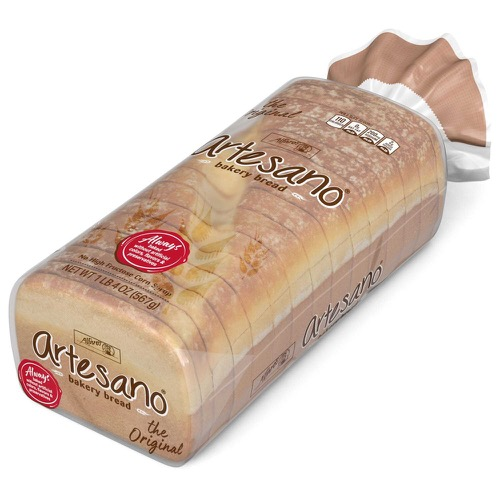


+ 6 more products in the Scout app
Scan any product to see every ingredient explained — and healthier swaps.
Download on theApp Store GET IT ONGoogle Play