Ball Park BURGER BUNS
Swap it for
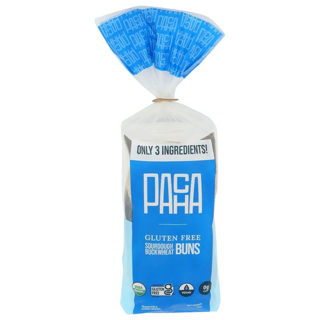
 PACHA Buckwheat Sourdough Bun PACHA · 13 oz View on Amazon See all Rolls & Buns, ranked
At a glance
Summary
This product is heavily penalized due to its use of refined flour, high fructose corn syrup, and soybean oil, which are linked to negative health impacts such as obesity and inflammation. It is ultra-processed with multiple additives like emulsifiers and preservatives, which further detract from its nutritional quality. The presence of these industrial ingredients and high processing level significantly lowers its health rating.
Key ingredients 20
High fructose corn syrupVery Bad
High fructose corn syrup is a highly processed sweetener linked to obesity and metabolic disorders. It is cheaper than sugar and often used in processed foods. Excessive consumption can lead to insulin resistance.
Risks
Linked to obesity, diabetes, and metabolic syndrome.
Soybean oilVery Bad
Soybean oil is a seed oil high in omega-6 fatty acids, which can promote inflammation. It is often extracted using chemical solvents. Regular consumption may disrupt the omega-3 to omega-6 balance.
Risks
High omega-6 content may promote inflammation when consumed in excess.
Enriched wheat flourBad
Enriched wheat flour is refined and lacks the fiber found in whole grains. It is often fortified with vitamins and minerals to replace those lost during processing. The high glycemic index can contribute to blood sugar spikes.
Risks
May contribute to obesity and type 2 diabetes due to high glycemic index.
Benefits
Provides some essential vitamins and minerals due to fortification.
Calcium propionateBad
Calcium propionate is a preservative used to prevent mold growth in baked goods. It is synthetically produced and can cause digestive issues in sensitive individuals. Long-term effects of consumption are not well-studied.
Risks
May cause digestive issues and headaches in sensitive individuals.
Benefits
Helps extend shelf life by preventing mold growth.
DATEMBad
DATEM is an emulsifier used to improve dough strength and texture. It is a synthetic additive derived from fatty acids. Its long-term health effects are not fully understood.
Risks
Potential digestive discomfort and unknown long-term health effects.
Benefits
Improves texture and volume of baked goods.
MonoglyceridesBad
Monoglycerides are emulsifiers that help blend ingredients and improve texture. They are often derived from partially hydrogenated oils. Their consumption may contribute to trans fat intake.
Risks
May contain trans fats, which are linked to heart disease.
Benefits
Enhances texture and shelf stability of products.
Soy lecithinBad
Soy lecithin is an emulsifier that helps stabilize processed foods. It is derived from soybeans and may contain pesticide residues. Some individuals may be allergic to soy.
Risks
Potential allergen and may contain pesticide residues.
Benefits
Improves texture and consistency of products.
WaterNeutral
Water is a neutral ingredient used as a solvent and to provide moisture. It is essential for hydration and does not contribute calories. It is a basic component in many food products.
Benefits
Essential for hydration and provides moisture to the product.
YeastNeutral
Yeast is a microorganism used to ferment and leaven dough. It contributes to the texture and flavor of baked goods. It is a natural ingredient with no significant health concerns.
Benefits
Contributes to the leavening and flavor of baked goods.
SaltNeutral
Salt is used to enhance flavor and preserve food. It is a common culinary ingredient but excessive intake can lead to health issues. It is refined and lacks trace minerals found in sea salt.
Risks
Excessive consumption can lead to hypertension and cardiovascular issues.
Benefits
Enhances flavor and acts as a preservative.
Calcium sulfateNeutral
Calcium sulfate is used as a firming agent and to improve dough strength. It is a naturally occurring mineral. It is generally recognized as safe in food applications.
Benefits
Improves texture and firmness of baked goods.
Grain vinegarNeutral
Grain vinegar is used for flavoring and as a preservative. It is made from fermented grains and contains acetic acid. It is a natural ingredient with no significant health concerns.
Benefits
Adds flavor and acts as a natural preservative.
Cellulose gumNeutral
Cellulose gum is a thickening agent derived from plant fibers. It is used to improve texture and stability in processed foods. It is generally recognized as safe but offers no nutritional value.
Benefits
Improves texture and stability of products.
Corn flourNeutral
Corn flour is a finely ground powder made from dried corn. It is used to add texture and flavor to baked goods. It is a basic ingredient with no significant health concerns.
Benefits
Adds texture and flavor to baked goods.
Spice & coloringNeutral
Spice and coloring are used to enhance flavor and appearance. They are typically natural but can vary in composition. They are generally recognized as safe in food applications.
Benefits
Enhances flavor and visual appeal of products.
Citric acidNeutral
Citric acid is a natural preservative and flavor enhancer. It is found naturally in citrus fruits and used to add tartness. It is generally recognized as safe in food applications.
Benefits
Acts as a preservative and enhances flavor.
Potassium iodateNeutral
Potassium iodate is used to fortify foods with iodine. It is a chemical compound that helps prevent iodine deficiency. It is generally recognized as safe in small amounts.
Risks
Excessive intake can lead to thyroid dysfunction.
Benefits
Helps prevent iodine deficiency and supports thyroid health.
Monocalcium phosphateNeutral
Monocalcium phosphate is used as a leavening agent in baking. It is a chemical compound that reacts with baking soda to produce carbon dioxide. It is generally recognized as safe in food applications.
Benefits
Acts as a leavening agent to improve texture.
Calcium carbonateNeutral
Calcium carbonate is used as a calcium supplement and to improve texture. It is a naturally occurring mineral. It is generally recognized as safe in food applications.
Risks
Excessive intake can lead to hypercalcemia.
Benefits
Provides a source of calcium and improves texture.
CornstarchNeutral
Cornstarch is used as a thickening agent in food products. It is derived from the endosperm of corn kernels. It is a basic ingredient with no significant health concerns.
Benefits
Thickens and stabilizes food products.
Processing
Ultra-Processed Foods
Get the full breakdown in the Scout appTake Scout shopping
Scan any product to see lab results, healthy alternatives, and your personalized analysis.
Are you Ball Park? Fix an error Get the badge Get tested
Amazon pricing & content
CERTAIN CONTENT THAT APPEARS ON THIS SITE COMES FROM AMAZON. THIS CONTENT IS PROVIDED “AS IS” AND IS SUBJECT TO CHANGE OR REMOVAL AT ANY TIME.