
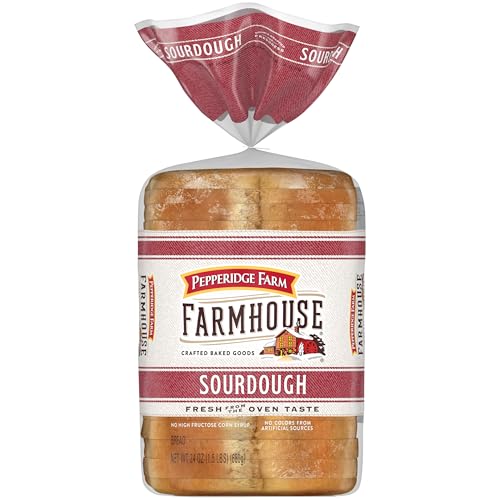


Pepperidge Farm Farmhouse SOURDOUGH BREAD
At a glance
Summary
This sourdough bread is heavily processed, containing refined enriched wheat flour and soybean oil, which are linked to potential health concerns such as inflammation and rapid blood sugar spikes. The presence of multiple synthetic additives like monoglycerides, sodium stearoyl lactylate, and preservatives further contributes to its ultra-processed nature, limiting its health benefits despite being a bread product.
Key ingredients 18
Soybean oilVery Bad
Soybean oil is a seed oil high in omega-6 fatty acids, which can promote inflammation when consumed in excess. It is often highly processed and refined. This oil is not recommended due to its potential health risks.
Risks
High omega-6 content may promote inflammation and is linked to various health issues.
Enriched wheat flourBad
Enriched wheat flour is refined and lacks the fiber and nutrients found in whole grains. It is often fortified with synthetic vitamins to replace lost nutrients. This processing can lead to rapid spikes in blood sugar levels.
Risks
May contribute to blood sugar spikes and lacks the fiber content of whole grains.
Benefits
Provides some essential vitamins and minerals due to fortification, but lacks the benefits of whole grains.
Wheat flourBad
Refined grain flour stripped of bran and germ.
Risks
May cause issues for individuals with gluten intolerance or celiac disease.
Benefits
Provides carbohydrates and some protein, essential for energy.
SugarBad
Sugar is a refined carbohydrate that can contribute to increased blood sugar levels. It is often added to enhance flavor and aid in yeast fermentation. Excessive consumption can lead to health issues such as obesity and diabetes.
Risks
High intake can lead to obesity, diabetes, and other metabolic disorders.
Benefits
Provides quick energy but lacks nutritional value.
MonoglyceridesBad
Monoglycerides are emulsifiers used to improve texture and shelf life in processed foods. They are synthetic and can contribute to the ultra-processed nature of foods. Their long-term health effects are not well understood.
Risks
May contribute to the ultra-processed nature of foods and potential health concerns.
Benefits
Improves texture and shelf life of bread.
Sodium stearoyl lactylateBad
Sodium stearoyl lactylate is an emulsifier used to improve dough strength and texture. It is a synthetic additive and contributes to the ultra-processed nature of foods. Its long-term health effects are not well understood.
Risks
May contribute to the ultra-processed nature of foods and potential health concerns.
Benefits
Improves dough strength and texture.
Calcium propionate and sorbic acidBad
Calcium propionate and sorbic acid are preservatives used to prevent mold and extend shelf life. They are synthetic and contribute to the ultra-processed nature of foods. Some individuals may experience allergic reactions or sensitivities.
Risks
May cause allergic reactions or sensitivities in some individuals.
Benefits
Prevents mold growth and extends shelf life.
Soy lecithinBad
Soy lecithin is an emulsifier used to improve texture and shelf life in processed foods. It is derived from soybeans and can be highly processed. Some individuals may have concerns about soy allergies or sensitivities.
Risks
May cause allergic reactions or sensitivities in some individuals.
Benefits
Improves texture and shelf life of bread.
WaterNeutral
Water is a neutral ingredient used as a solvent and to provide moisture. It does not contribute any calories or nutrients. It is essential for the dough formation in bread making.
See more about Water →YeastNeutral
Yeast is a microorganism used to ferment sugars, producing carbon dioxide and alcohol, which helps bread rise. It is a natural ingredient in bread making. Yeast can also contribute to the flavor and texture of the bread.
Benefits
Contributes to the leavening and flavor of the bread.
Rye flourNeutral
Rye flour is a type of flour that can add flavor and texture to bread. It contains more fiber than refined wheat flour but less than whole grain flour. Rye flour can contribute to a denser bread texture.
Risks
May cause issues for individuals with gluten intolerance or celiac disease.
Benefits
Provides additional flavor and some fiber compared to refined wheat flour.
SaltNeutral
Salt is used to enhance flavor and control yeast activity in bread. It is a necessary ingredient in small amounts. Excessive consumption can lead to health issues such as hypertension.
Risks
Excessive intake can lead to high blood pressure and cardiovascular issues.
Benefits
Enhances flavor and helps control yeast fermentation in bread.
Potato flourNeutral
Potato flour is used to improve moisture retention and texture in bread. It is gluten-free and can add a slight sweetness. It is not a significant source of nutrients.
Benefits
Improves moisture retention and texture in bread.
Wheat glutenNeutral
Wheat gluten is added to improve the elasticity and structure of bread dough. It is a protein found in wheat that helps bread rise and maintain its shape. It is essential for the texture of many bread products.
Risks
May cause issues for individuals with gluten intolerance or celiac disease.
Benefits
Enhances the texture and structure of bread.
Lactic acidNeutral
Lactic acid is a natural acid used to enhance flavor and preserve food. It is produced by fermentation and is generally recognized as safe. It can contribute to the sour flavor in sourdough bread.
Benefits
Enhances flavor and acts as a preservative.
WheyNeutral
Whey is a byproduct of cheese production and is used to enhance protein content. It is a high-quality protein source but is present in small amounts in this product. It may not significantly impact the nutritional profile of the bread.
Risks
May cause issues for individuals with lactose intolerance or milk allergies.
Benefits
Provides high-quality protein and essential amino acids.
Malted barley flourNeutral
Malted barley flour is used to enhance flavor and improve fermentation in bread. It contains enzymes that help break down starches into sugars. It is generally recognized as safe and contributes to the flavor profile.
Benefits
Enhances flavor and aids in fermentation.
Citric acidNeutral
Citric acid is a natural acid used to enhance flavor and preserve food. It is widely used in the food industry and is generally recognized as safe. It can contribute to the tartness in sourdough bread.
Benefits
Enhances flavor and acts as a preservative.
Processing
Ultra-Processed Foods
Get the full breakdown in the Scout appTake Scout shopping
Scan any product to see lab results, healthy alternatives, and your personalized analysis.
Download on theApp Store GET IT ONGoogle PlayAmazon pricing & content
CERTAIN CONTENT THAT APPEARS ON THIS SITE COMES FROM AMAZON. THIS CONTENT IS PROVIDED “AS IS” AND IS SUBJECT TO CHANGE OR REMOVAL AT ANY TIME.