


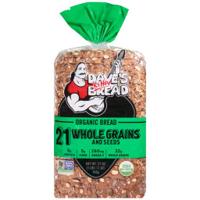


DAVE'S KILLER BREAD, ORGANIC GOOD SEED BREAD
At a glance
Summary
This bread features a variety of organic ingredients, including whole wheat and a nutrient-rich seed mix, which contribute to its nutritional value. However, it is classified as ultra-processed due to the presence of refined ingredients like organic cane sugar and the overall processing level. Despite its organic certification and beneficial components, the processing level limits its score.
Key ingredients 17
Organic Whole WheatGood
Organic whole wheat is a high-fiber, nutrient-dense grain that supports digestive health. Being organic, it is free from synthetic pesticides and fertilizers, enhancing its nutritional profile. Whole grains are linked to reduced risk of chronic diseases.
Risks
Contains gluten, which may cause issues for individuals with celiac disease or gluten sensitivity.
Benefits
Rich in dietary fiber, vitamins, and minerals, supporting heart health and digestion.
Organic Whole Flax SeedsGood
Flax seeds are a rich source of omega-3 fatty acids, fiber, and lignans, which support heart health and have anti-inflammatory properties. Organic certification ensures they are free from synthetic chemicals. They are beneficial for digestive health and may reduce cholesterol levels.
Risks
May cause digestive discomfort if consumed in large quantities due to high fiber content.
Benefits
Rich in omega-3 fatty acids and fiber, supporting heart health and digestion.
Organic Sunflower SeedsGood
Sunflower seeds are a good source of healthy fats, protein, and vitamin E, supporting cardiovascular health. Organic certification ensures they are free from synthetic pesticides. They provide antioxidants that may reduce inflammation.
Risks
High in calories, which may contribute to weight gain if consumed in excess.
Benefits
Provide healthy fats, protein, and antioxidants, supporting heart health and reducing inflammation.
Organic Steel Cut OatsGood
Steel cut oats are a whole grain rich in fiber, vitamins, and minerals, promoting heart health and stable blood sugar levels. Organic certification ensures they are free from synthetic chemicals. They are minimally processed, retaining more nutrients than rolled oats.
Benefits
Rich in fiber and nutrients, supporting heart health and stable blood sugar levels.
Organic Tri-Color QuinoaGood
Quinoa is a complete protein source, providing all essential amino acids, and is rich in fiber and minerals. Organic certification ensures it is free from synthetic pesticides. It is gluten-free and supports muscle repair and growth.
Benefits
Provides complete protein and essential nutrients, supporting muscle health and digestion.
Organic Oat FiberGood
Oat fiber is a high-fiber ingredient that supports digestive health and may help lower cholesterol levels. Organic certification ensures it is free from synthetic chemicals. It is beneficial for maintaining healthy blood sugar levels.
Benefits
Supports digestive health and may help lower cholesterol levels.
Sea SaltGood
Sea salt is a natural source of sodium and trace minerals, supporting electrolyte balance and hydration. It is less processed than table salt, retaining more minerals. Sea salt can enhance the flavor of foods without the need for excessive use.
Risks
Excessive sodium intake can lead to high blood pressure and cardiovascular issues.
Benefits
Provides essential minerals and enhances food flavor.
Organic VinegarGood
Beneficial ingredient — whole-food or functional value in this product class.
Benefits
Acts as a natural preservative and flavor enhancer.
Organic Acerola Cherry PowderGood
Acerola cherry powder is rich in vitamin C and antioxidants, supporting immune health. Organic certification ensures it is free from synthetic chemicals. It adds nutritional value and a slight tart flavor to foods.
Benefits
Rich in vitamin C and antioxidants, supporting immune health.
WaterNeutral
Water is a basic ingredient used to hydrate and bind the dough. It does not contribute any nutritional value but is essential for the bread-making process. Water quality can affect the final product's texture and taste.
See more about Water →Organic Wheat FlourNeutral
Organic wheat flour is a refined grain product that provides carbohydrates and some protein. Being organic, it avoids synthetic pesticides, but refining removes some nutrients. It is less beneficial than whole grain options.
Risks
Contains gluten, which may cause issues for individuals with celiac disease or gluten sensitivity.
Benefits
Provides energy through carbohydrates and some protein content.
Organic Wheat GlutenNeutral
Wheat gluten is a protein that provides elasticity and structure to bread. It is beneficial for bread texture but offers limited nutritional value. It is a common allergen and may cause issues for those with gluten intolerance.
Risks
May cause adverse reactions in individuals with gluten intolerance or celiac disease.
Benefits
Improves bread texture and structure, enhancing the baking quality.
YeastNeutral
Yeast is a microorganism used to ferment and leaven bread, contributing to its texture and flavor. It does not provide significant nutritional benefits but is essential for bread-making. Yeast fermentation can enhance the bioavailability of some nutrients.
Benefits
Enhances bread texture and flavor through fermentation.
Organic MolassesNeutral
Molasses is a byproduct of sugar refining that contains some vitamins and minerals. Organic molasses is free from synthetic chemicals, but it is still a sugar source. It adds flavor and color to baked goods.
Risks
May contribute to blood sugar spikes if consumed in large amounts.
Benefits
Provides trace minerals and adds flavor to baked goods.
Organic Cultured Wheat FlourNeutral
Cultured wheat flour is used to enhance flavor and act as a natural preservative. Organic certification ensures it is free from synthetic chemicals. It does not provide significant nutritional benefits but can improve bread quality.
Risks
Contains gluten, which may cause issues for individuals with celiac disease or gluten sensitivity.
Benefits
Enhances flavor and acts as a natural preservative.
EnzymesNeutral
Enzymes are used to improve dough handling and bread texture. They are naturally occurring proteins that do not provide nutritional benefits. Enzymes can enhance the quality and shelf life of baked goods.
Benefits
Improve dough handling and bread texture.
Organic Cane SugarBad
Organic cane sugar is a refined sugar that contributes to calorie intake without providing essential nutrients. Despite being organic, it can contribute to weight gain and blood sugar spikes. It is less processed than white sugar but still lacks nutritional benefits.
Risks
May contribute to obesity, diabetes, and dental issues if consumed in excess.
Processing
Ultra-Processed Foods
Get the full breakdown in the Scout appTake Scout shopping
Scan any product to see lab results, healthy alternatives, and your personalized analysis.
Download on theApp Store GET IT ONGoogle PlayAmazon pricing & content
Amazon price as of . Product prices and availability are accurate as of the date/time indicated and are subject to change. Any price and availability information displayed on Amazon.com at the time of purchase will apply to the purchase of this product.
CERTAIN CONTENT THAT APPEARS ON THIS SITE COMES FROM AMAZON. THIS CONTENT IS PROVIDED “AS IS” AND IS SUBJECT TO CHANGE OR REMOVAL AT ANY TIME.