


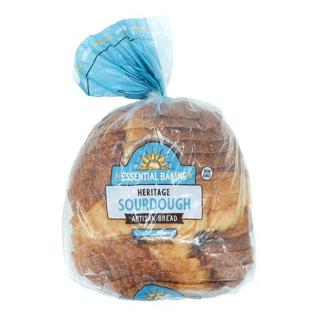
Essential Baking San Francisco Style Sourdough, Artisan Bread
At a glance
Summary
This sourdough bread contains enriched unbleached wheat flour and canola oil, which are processed ingredients that detract from its nutritional quality. The presence of palm oil and canola oil, both of which are high in saturated fats and omega-6 fatty acids, respectively, further impacts its healthiness. While it includes some beneficial vitamins like niacin and riboflavin, the overall processing level and use of refined ingredients limit its score.
Key ingredients 18
NiacinGood
Beneficial ingredient — whole-food or functional value in this product class.
Benefits
Essential for energy metabolism and maintaining healthy skin.
RiboflavinGood
Essential B vitamin — beneficial micronutrient.
Benefits
Essential for energy production and metabolism.
Ascorbic acidGood
Vitamin C — beneficial even when serving as a preservative.
Benefits
Improves dough texture and rising, and acts as an antioxidant.
Enriched unbleached wheat flourNeutral
Enriched unbleached wheat flour is a refined flour that has been fortified with vitamins and minerals. It lacks the fiber and nutrients found in whole grain flour. The enrichment process adds back some nutrients lost during processing.
Risks
May contribute to blood sugar spikes and lacks the fiber of whole grains.
Benefits
Provides essential vitamins and minerals such as iron and B vitamins due to enrichment.
Malted barley flourNeutral
Malted barley flour is used to enhance flavor and improve the texture of baked goods. It contains enzymes that help break down starches into sugars. This ingredient is minimally processed and adds a slight sweetness.
Benefits
Enhances flavor and texture in baked goods and provides some nutritional value.
IronNeutral
Iron is an essential mineral added to enriched flours to prevent anemia. It is crucial for oxygen transport in the blood. The form used in enrichment is typically well-absorbed.
Risks
Excessive iron intake can lead to toxicity, but this is rare from food sources.
Benefits
Supports oxygen transport and prevents iron-deficiency anemia.
Thiamine mononitrateNeutral
Thiamine mononitrate is a form of vitamin B1 added to enriched flours. It is essential for carbohydrate metabolism and nerve function. This synthetic form is used to replace nutrients lost during flour processing.
Benefits
Supports carbohydrate metabolism and nerve function.
Folic acidNeutral
Folic acid is a synthetic form of vitamin B9 added to enriched flours to prevent neural tube defects. It is crucial for DNA synthesis and cell division. This fortification helps prevent deficiencies in the general population.
Risks
Excessive intake can mask vitamin B12 deficiency symptoms.
Benefits
Prevents neural tube defects and supports DNA synthesis.
WaterNeutral
Water is a basic ingredient used to hydrate flour and activate yeast in bread making. It is essential for the dough formation and baking process. Water quality can affect the final product's texture and taste.
Benefits
Essential for dough formation and hydration.
SaltNeutral
Salt is used to enhance flavor and control yeast activity in bread. It is a common ingredient in baking that also strengthens gluten structure. Regular table salt lacks the trace minerals found in unrefined salts.
Risks
Excessive sodium intake can lead to high blood pressure.
Benefits
Enhances flavor and strengthens gluten structure in bread.
Wheat glutenNeutral
Wheat gluten is added to improve the elasticity and chewiness of bread. It is a protein that helps trap air bubbles, giving bread its structure. This ingredient is particularly useful in bread with lower protein flours.
Risks
Can cause adverse reactions in individuals with gluten intolerance or celiac disease.
Benefits
Improves bread texture and structure by enhancing elasticity.
Fumaric acidNeutral
Fumaric acid is used as a dough conditioner and acidity regulator in baking. It helps improve the texture and shelf life of baked goods. This ingredient is generally recognized as safe when used in food.
Benefits
Improves texture and shelf life of baked goods.
Acetic acidNeutral
Acetic acid is used as a preservative and flavoring agent in bread. It helps inhibit mold growth and adds a tangy flavor. This ingredient is naturally found in vinegar and is safe for consumption.
Benefits
Acts as a preservative and enhances flavor with a tangy taste.
Lactic acidNeutral
Lactic acid is used to enhance flavor and act as a preservative in bread. It is produced by fermentation and contributes to the sour taste in sourdough. This ingredient is generally recognized as safe and beneficial for gut health.
Benefits
Enhances flavor and acts as a natural preservative.
EnzymesNeutral
Enzymes are added to improve dough handling and bread quality. They help break down starches and proteins, enhancing texture and shelf life. These are naturally occurring proteins that are safe for consumption.
Benefits
Enhances dough handling and improves bread quality.
YeastNeutral
Yeast is a microorganism used to ferment sugars and produce carbon dioxide, which leavens bread. It is a natural ingredient essential for bread making. Yeast also contributes to the flavor and aroma of bread.
Benefits
Essential for leavening bread and contributes to flavor and aroma.
Palm oilBad
Palm oil is a saturated fat used to enhance texture and shelf life in baked goods. It is often criticized for its environmental impact and high saturated fat content. The refining process can strip beneficial nutrients.
Risks
High saturated fat content may contribute to heart disease if consumed in excess.
Benefits
Provides a stable fat source that enhances texture and shelf life.
Canola oilVery Bad
Canola oil is a seed oil high in omega-6 fatty acids, which can promote inflammation. It is heavily processed and often genetically modified. The refining process can involve high heat and chemicals, reducing nutritional quality.
Risks
High omega-6 content may promote inflammation when consumed in excess.
Processing
Processed Foods
Get the full breakdown in the Scout appTake Scout shopping
Scan any product to see lab results, healthy alternatives, and your personalized analysis.
Download on theApp Store GET IT ONGoogle Play